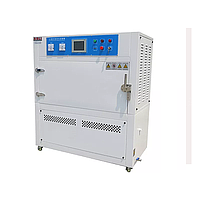
Solar Simulation Test Chamber Calibration Service
Accurate environmental and light-exposure testing depends on more than chamber operation alone. When a solar simulation setup is used for material validation, aging studies, or product reliability work, calibration helps confirm that the test chamber is producing conditions that are consistent, traceable, and suitable for repeatable evaluation. That is why Solar Simulation Test Chamber Calibration Service plays an important role in laboratories, quality departments, and industrial testing environments.
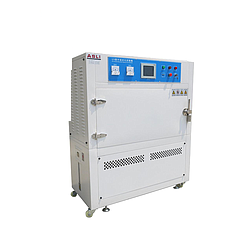
Why calibration matters for solar simulation testing
A solar simulation chamber is typically used where controlled exposure to light, heat, and environmental stress must be maintained within defined limits. If the chamber drifts over time, test results may become difficult to compare across batches, time periods, or different facilities. Calibration supports confidence in the measured and generated conditions, especially when the chamber is part of product development, inspection, or compliance-oriented workflows.
In practice, calibration is not only about checking whether the system turns on and runs. It is about verifying the performance of key functions that influence the quality of the test environment. This is especially important when users depend on repeatable test conditions to assess durability, discoloration behavior, weathering response, or long-term stability under simulated sunlight.
What this service supports in a testing workflow
Solar simulation test chamber calibration service is relevant for organizations that need better control over their environmental testing process. In industrial and research settings, these chambers are often part of broader validation programs in which sample exposure must be stable and documented. Calibration helps reduce uncertainty in how the equipment performs during real test cycles.
Because solar simulation chambers are often used alongside other physical and material testing equipment, calibration also supports smoother quality management across the lab. Teams that manage several instruments may also review related services such as furnace calibration service when thermal performance is part of the same testing environment.
Typical points considered during calibration
Although the exact scope depends on the chamber configuration and service procedure, calibration generally focuses on the parameters that most directly affect exposure quality. For solar simulation equipment, that can include the consistency of generated conditions, the chamber’s control behavior, and the reliability of readings used to set or monitor the test.
From a user perspective, the goal is straightforward: confirm that the chamber is operating within an acceptable range for its intended application. This is particularly important where test results are used for product comparison, incoming quality evaluation, or long-duration aging studies. A well-calibrated chamber contributes to measurement confidence and helps teams detect whether deviations come from the sample itself or from the test setup.
ASLI calibration service in context
For organizations using equipment from ASLI, this category includes the ASLI Solar simulation test chamber Calibration Service as a relevant option. Referring to a manufacturer-specific service can be useful when equipment users want support aligned with the chamber type already installed in their laboratory or production support area.
Manufacturer context can also help buyers and technicians narrow the service scope more efficiently. Instead of treating every environmental chamber the same way, it is often more practical to evaluate calibration based on the actual equipment family, operating mode, and test purpose. This approach is especially useful in B2B environments where documentation, maintenance history, and consistency between service intervals matter.
How to decide when calibration is needed
The appropriate calibration interval depends on how frequently the chamber is used, how critical the test data is, and whether the equipment is exposed to conditions that may accelerate drift. Facilities that run qualification or comparison tests on a regular basis often benefit from a planned schedule rather than waiting until performance concerns become visible.
Some users also review calibration needs after relocation, major maintenance, lamp or component replacement, or unexplained differences in test results. If your laboratory handles multiple material and barrier-property evaluations, related categories such as water vapor transmission rate test system calibration or oxygen permeation system calibration may also be relevant within the same quality system.
Choosing a calibration service with the right scope
When reviewing a calibration service for a solar simulation chamber, buyers usually look for clear alignment with the intended testing application. A useful service should support the actual operating conditions of the chamber and fit the documentation needs of the organization, whether for internal quality control, customer requirements, or audit preparation.
It is also worth considering how the chamber fits into the broader testing ecosystem. In many labs, environmental exposure testing is connected to appearance, wear, or physical property evaluation. For example, teams involved in surface durability studies may also have interest in abrasion tester calibration service as part of a wider equipment maintenance and verification plan.
Supporting reliable results over time
Test chambers used for solar simulation are often part of long-term product assessment, where consistency from one test cycle to the next is essential. Calibration helps maintain that consistency by providing a structured way to verify chamber performance instead of relying only on routine operation checks. This can be particularly valuable when historical comparison is part of product development or supplier evaluation.
Over time, a disciplined calibration approach can improve traceability, reduce avoidable retesting, and support more dependable interpretation of results. For organizations that rely on simulated sunlight exposure as part of material or product verification, this category is intended to help identify a service path that fits both the equipment and the testing objective.
Final thoughts
Choosing the right solar simulation test chamber calibration service is ultimately about protecting the quality of your test data. When chamber performance is checked in a structured and relevant way, teams are better positioned to make decisions based on results they can trust. If your work depends on controlled light and environmental exposure, a properly selected calibration service can be a practical step toward more stable and defensible testing outcomes.
Get exclusive volume discounts, bulk pricing updates, and new product alerts delivered directly to your inbox.
By subscribing, you agree to our Terms of Service and Privacy Policy.
Direct access to our certified experts