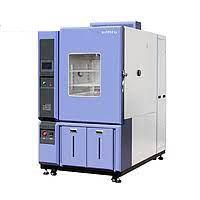
Temperature & Humidity Test Chamber Calibration Service
Stable temperature and humidity conditions are critical in product validation, material testing, storage qualification, and reliability studies. When a chamber drifts from its intended setpoint, test data can become difficult to trust, especially in regulated or quality-sensitive environments. This is why Temperature & Humidity Test Chamber Calibration Service plays an important role in maintaining confidence in environmental test results.
This service category is intended for laboratories, manufacturers, quality teams, and service departments that need to verify chamber performance and document measurement accuracy over time. It is relevant for both temperature and humidity chambers and constant climate chambers used in routine testing, inspection, and controlled-condition processes.
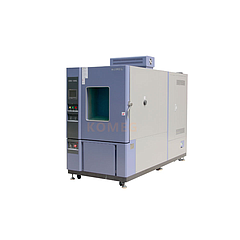
Why calibration matters for environmental test chambers
A chamber may still heat, cool, and control humidity, yet gradually move away from the true values required by a test method. Even relatively small deviations can affect repeatability, comparison between batches, or acceptance decisions. Regular calibration helps confirm whether the displayed conditions match actual chamber performance under defined operating points.
For many users, the goal is not only equipment maintenance but also measurement traceability, better process control, and clearer audit documentation. In practice, calibration supports internal quality systems and reduces the risk of making decisions based on inaccurate environmental conditions.
What is typically evaluated during calibration
Temperature and humidity chamber calibration generally focuses on how accurately the chamber achieves and maintains selected setpoints. This can include checking temperature indication, humidity indication, and the consistency of conditions within the usable workspace. The exact scope depends on the equipment type, test requirements, and the chamber’s operating range.
For constant climate units, the emphasis is often on stable environmental control over time. For broader environmental chambers, users may need calibration at multiple points that reflect their real operating conditions. If your process also relies on high-temperature equipment, related services such as furnace calibration may be relevant within the same quality system.
Suitable equipment and common service scenarios
This category covers calibration services for chambers used in electronics testing, packaging evaluation, material conditioning, pharmaceutical and medical storage studies, and general laboratory environmental simulation. It applies to standalone temperature and humidity chambers as well as constant climate chambers used for long-duration stability work.
Typical service needs include periodic recalibration, acceptance checks after relocation, performance verification after repair, and support before customer or third-party audits. Organizations that run multiple barrier or packaging-related test methods may also combine chamber calibration with services such as water vapor transmission rate test system calibration when environmental control directly affects test outcomes.
Examples of supported chamber brands
The available service scope includes calibration support for widely used chamber manufacturers. Examples in this category include solutions for ESPEC, Binder, JEIOtech, MEMMERT, Aralab, SH Scientific, C&W, Labstac, JFM, and MStech equipment.
Representative services listed here include ESPEC Temperature and Humidity Chamber Calibration Service, Binder Temperature and Humidity Chamber Calibration Service, JEIOTECH Temperature and Humidity Chamber Calibration Service, SH Scientific Temperature and Humidity Chamber Calibration Service, and MEMMERT Constant Climate Chamber Calibration Service. These examples help illustrate brand coverage, but the main selection should be based on your chamber type, control requirements, and calibration scope rather than brand name alone.
How to choose the right calibration service
When selecting a service, start with the chamber’s actual use case. A chamber used for product reliability testing may require calibration points different from one used for sample conditioning or storage verification. It is also helpful to consider whether you need checks focused mainly on temperature, on humidity, or on both parameters together.
Another key factor is documentation. Many buyers look for a service that supports internal QA records, preventive maintenance planning, and easier review during audits. If your lab operates other physical testing instruments, it can be practical to align intervals and documentation with related services such as oxygen permeation system calibration to keep records consistent across the facility.
Calibration and long-term chamber performance
Regular calibration is part of a broader equipment reliability strategy. Over time, sensors, control loops, chamber loading conditions, and normal wear can all influence performance. Calibration does not replace repair or maintenance, but it helps identify whether the chamber is still operating within acceptable limits for your process.
In many facilities, calibration results are also used to plan corrective action, compare chamber behavior over time, and determine whether a unit remains suitable for critical testing. This makes environmental chamber calibration useful not only as a compliance activity but also as a practical tool for reducing uncertainty in day-to-day laboratory work.
When this service is especially relevant
You may want to arrange calibration if chamber readings appear inconsistent, test results are becoming harder to reproduce, or the equipment has recently been serviced or moved. It is also a sensible step before qualification work, customer inspections, or any application where environmental data must be defensible.
For operations handling multiple test methods, a structured calibration program often improves scheduling and reduces unexpected downtime. The same approach can also extend to other measurement devices in the lab, including instruments covered under categories like discoloration meter calibration, where reliable environmental and measurement conditions both matter.
Conclusion
Accurate chamber conditions are essential whenever temperature and humidity influence product quality, material behavior, or compliance records. A well-planned Temperature & Humidity Test Chamber Calibration Service helps verify actual performance, supports traceable documentation, and gives users a clearer basis for test decisions.
If you are comparing service options, focus on chamber type, required calibration points, and the documentation needed for your workflow. That approach will help you choose a calibration service that fits both your equipment and the level of control your application requires.
Get exclusive volume discounts, bulk pricing updates, and new product alerts delivered directly to your inbox.
By subscribing, you agree to our Terms of Service and Privacy Policy.
Direct access to our certified experts