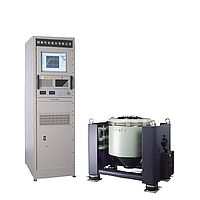
Vibration Tester Calibration Service
Accurate vibration testing depends on more than the condition of the shaker or controller alone. When measurement drift, sensor deviation, or setup inconsistency goes unchecked, test results can become difficult to trust, especially in quality validation, durability assessment, and product qualification workflows. That is why Vibration Tester Calibration Service plays an important role in maintaining reliable test data and supporting traceable inspection processes.
For laboratories, manufacturers, and testing departments that rely on repeatable mechanical and physical testing, proper calibration helps confirm that a vibration tester is operating within expected performance limits. It also supports better comparison between historical test records, reduced uncertainty in evaluation, and more consistent decision-making across production and R&D environments.
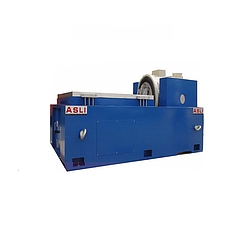
Why vibration tester calibration matters
Vibration testing is widely used to simulate transport stress, operational vibration, and environmental mechanical loads. In these applications, even small deviations in amplitude, frequency response, or control accuracy can affect the validity of the test. A structured calibration service helps identify those deviations before they influence product evaluation or compliance work.
Regular calibration is also important for organizations working under internal quality systems or customer-specific audit requirements. Instead of relying only on routine functional checks, calibration provides a more formal way to verify measurement performance and maintain confidence in test outcomes over time.
What is typically assessed during the service
Although the exact calibration scope can vary by equipment configuration, the service generally focuses on the measurement and control aspects that influence vibration test quality. This may include verification of operating behavior, output consistency, and the accuracy of key test parameters used in routine operation.
For a vibration tester, common attention points often include frequency-related performance, vibration level indication, and signal response consistency across the intended working range. The goal is not simply to confirm that the machine runs, but to evaluate whether it supports dependable and repeatable testing conditions.
Suitable applications and user needs
This category is relevant for companies using vibration test equipment in electronics, components, packaging, automotive parts, industrial assemblies, and general product reliability programs. It is especially useful where test reports are used for supplier approval, incoming quality verification, engineering validation, or documented product comparison.
Calibration can also be valuable after relocation, repair, long operating intervals, or any situation where the equipment may have experienced changes that affect measurement confidence. In these cases, scheduled service helps reduce uncertainty before the tester returns to regular use in the lab or production support environment.
Representative service options in this category
To help buyers identify suitable service references, this category includes options such as the KMT Vibration Tester Calibration Service and the JFM Vibration Shock Tester Calibration Service. These examples illustrate the type of calibration support available for vibration and related mechanical shock testing systems.
Where brand preference is part of the purchasing process, users may also review solutions associated with KMT or compare service scope across providers such as JFM. In practice, the right choice depends on the tester type, required verification points, documentation needs, and how the equipment is used within the broader test workflow.
How to choose the right calibration service
When selecting a service, start with the role of the vibration tester in your process. A system used for routine screening may need a different service approach from one used for formal validation or customer-facing certification records. It is helpful to confirm the equipment type, test range in use, documentation expectations, and whether your process requires traceable calibration records.
You should also consider service timing and equipment status. If the tester has undergone maintenance, controller updates, sensor replacement, or mechanical adjustment, calibration can help confirm that these changes have not introduced unwanted variation. A clear service scope makes it easier to align maintenance planning with quality assurance needs.
Calibration as part of a broader testing equipment program
Many facilities manage vibration testers alongside other mechanical and physical testing instruments. In that context, calibration is most effective when treated as part of a broader equipment control strategy rather than as an isolated task. Coordinating service intervals across related devices can improve planning efficiency and reduce downtime in the test lab.
Depending on your testing environment, it may also be useful to review related services such as furnace calibration service or abrasion tester calibration service. These categories support organizations that maintain multiple instrument types under one quality or preventive maintenance framework.
What to prepare before sending equipment for calibration
Before arranging service, it is useful to gather the equipment model information, operating history, and any recent maintenance records. If there are known issues such as unstable readings, unusual behavior, or test repeatability concerns, documenting them in advance can help clarify the service need and improve communication during evaluation.
It is also practical to confirm whether accessories, sensors, fixtures, or controllers that affect the testing setup should be included in the calibration scope. Clear preparation reduces delays and helps ensure the resulting service outcome is relevant to the way the vibration tester is actually used in your facility.
Supporting reliable vibration testing results
Consistent test quality depends on equipment that performs as expected and produces data users can rely on. A well-planned vibration tester calibration service helps verify measurement integrity, supports traceable quality processes, and reduces the risk of making decisions based on uncertain test conditions.
Whether you are managing routine lab maintenance or supporting a formal validation program, this category provides a practical starting point for maintaining dependable vibration testing performance. Reviewing service scope, application fit, and related calibration needs can help you choose an option that matches your technical process and documentation requirements.
Get exclusive volume discounts, bulk pricing updates, and new product alerts delivered directly to your inbox.
By subscribing, you agree to our Terms of Service and Privacy Policy.
Direct access to our certified experts