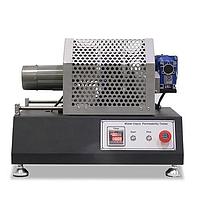
Water Vapor Transmission Rate Test System Calibration Service
Accurate barrier-property testing depends heavily on the stability of the instrument behind the data. When a water vapor transmission rate system drifts, even small deviations can affect material qualification, packaging validation, and comparison of test results across batches or sites. That is why Water Vapor Transmission Rate Test System Calibration Service is an important part of maintaining confidence in permeability testing workflows.
This category is intended for laboratories, packaging manufacturers, material testing facilities, and quality teams that rely on repeatable moisture transmission measurements. Whether the system is used for film, sheet, flexible packaging, or other barrier-related applications, proper calibration helps support traceability, reduce uncertainty, and keep test performance aligned with operating requirements.
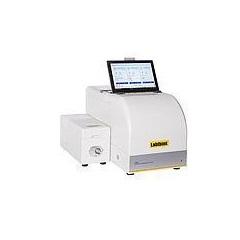
Why calibration matters for WVTR testing equipment
WVTR testing is commonly used to evaluate how much water vapor passes through a material under controlled conditions. In practice, this data is often used to assess shelf-life performance, compare barrier materials, or verify whether a packaging structure meets a target specification. If the instrument is not properly calibrated, the resulting values may no longer reflect actual material behavior with sufficient reliability.
Calibration helps confirm that the system responds correctly under defined test conditions and that key measurement functions remain within acceptable limits. This is especially relevant in environments where test results influence product release, supplier comparison, R&D decisions, or customer documentation.
What this service category typically supports
A calibration service for this type of equipment generally focuses on the measurement integrity of the full test system rather than only one isolated component. Depending on instrument design, this can include verification related to sensing, environmental control, test chamber behavior, and overall functional performance. The goal is to ensure that the system continues to produce dependable data for routine testing.
Organizations using dedicated moisture barrier instruments often need support for scheduled recalibration, periodic verification, or service planning across multiple test platforms. In facilities that also operate related permeability equipment, it can be useful to review complementary services such as oxygen permeation system calibration to maintain a consistent approach to barrier testing.
Applications where measurement confidence is critical
Water vapor transmission rate data is important in packaging development, material comparison, and quality control for products sensitive to moisture exposure. Industries dealing with food packaging, pharmaceuticals, medical packaging, electronics protection, specialty films, and coated materials often depend on stable test systems to assess barrier performance over time.
In these environments, calibration is not just a maintenance task. It supports better comparability between historical and current results, improves confidence during audits, and helps laboratories avoid unnecessary troubleshooting caused by unnoticed instrument drift. Where broader material-performance equipment is used alongside WVTR systems, teams may also review services such as abrasion tester calibration for other physical durability evaluations.
Supported brands and example systems
This category includes calibration support for selected systems from established manufacturers used in permeability and packaging test environments. Examples available in this category include the Labthink Water Vapor Transmission Rate Test System Calibration services, as well as service listings related to Uby Tech and HST equipment.
Representative offerings may include the Labthink Water Vapor Transmission Rate Test System Calibration services, the Uby Tech Water Vapor Permeability Tester Calibration Service, and the HST Water proof Testing Machine Calibration Service. These examples help illustrate the scope of support available for moisture-related material and packaging test equipment without suggesting that all instruments share the same design or calibration procedure.
How to choose the right calibration service
When selecting a suitable service, it is helpful to confirm the exact instrument type, manufacturer, and intended testing application. Systems used for transmission-rate measurement may differ in chamber design, test method, control architecture, and reporting logic, so matching the service to the actual equipment is essential. Clear identification of the model and testing purpose can also help reduce delays during planning.
It is also worth considering service history, calibration interval, current instrument condition, and whether the system is part of a larger quality or compliance workflow. For laboratories running multiple thermal or physical test platforms, related categories such as furnace calibration service may be relevant when coordinating maintenance schedules across the lab.
Benefits for quality systems and laboratory operations
A well-managed calibration service program supports more than instrument accuracy alone. It can help improve test repeatability, reduce unexpected downtime, and make it easier to demonstrate control over measurement processes. For quality managers and lab supervisors, this contributes to smoother documentation, stronger internal consistency, and more reliable decision-making.
Regular calibration can also support preventive maintenance planning by identifying performance issues before they become larger operational problems. In production and R&D settings where test data is tied directly to material approval or customer requirements, maintaining a stable water vapor transmission rate test system can reduce rework and protect the value of test results.
When to consider recalibration
Recalibration is commonly considered at scheduled intervals, after service or repair, after relocation, or whenever test data appears inconsistent with expected performance. Changes in environmental conditions, handling, or extended use can also affect long-term measurement stability. If a lab notices unexplained shifts in moisture barrier results, calibration review is often a practical next step.
For organizations using equipment from brands such as Labthink, Uby Tech, or HST, aligning recalibration timing with actual usage patterns can help maintain better control over critical testing assets. In broader packaging and material test laboratories, calibration planning may also be coordinated with services like discoloration meter calibration where product evaluation depends on multiple measurement systems.
Choosing a category built around practical testing needs
This category is designed for users who need dependable support for moisture transmission measurement equipment used in real laboratory and industrial workflows. Rather than treating calibration as a generic service, the focus here is on the specific demands of barrier-property testing, where stable measurement conditions and trustworthy results are essential.
If your team relies on WVTR data for packaging validation, material development, or routine quality control, selecting the appropriate service from this category can help maintain consistency across tests and over time. A well-calibrated system supports better decisions, clearer documentation, and more confidence in every reported result.
Get exclusive volume discounts, bulk pricing updates, and new product alerts delivered directly to your inbox.
By subscribing, you agree to our Terms of Service and Privacy Policy.
Direct access to our certified experts