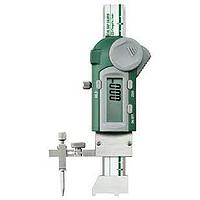
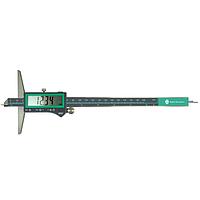
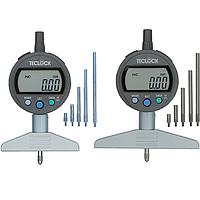
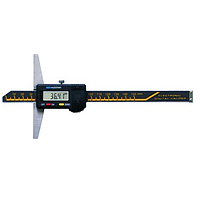
Depth Gauge Calibration Service
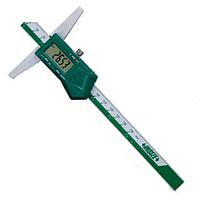
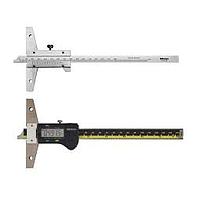
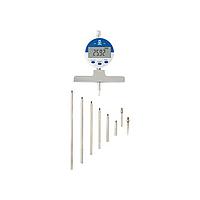
Accurate depth measurement matters whenever groove depth, step height, bore depth, or recess dimensions affect fit, machining quality, or inspection results. Over time, even a well-made gauge can drift due to wear, handling, environmental conditions, or frequent use on the shop floor. A professional Depth Gauge Calibration Service helps verify measurement performance and supports more reliable dimensional control across production, maintenance, and quality assurance workflows.
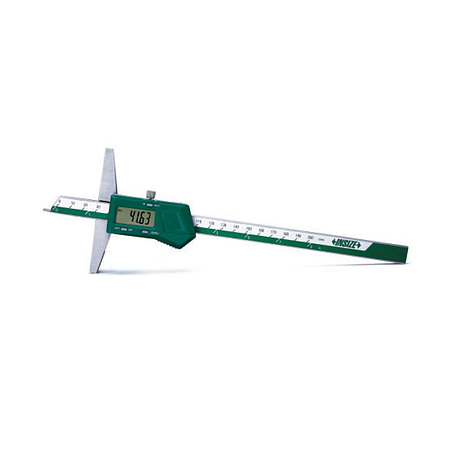
Why depth gauge calibration is important
Depth gauges are widely used in mechanical measurement because they provide a practical way to check internal depths and recessed features that are difficult to confirm by visual inspection alone. When these tools are used for incoming inspection, in-process checks, or final quality verification, their accuracy directly influences decision-making on part acceptance and process adjustment.
Regular calibration helps identify deviation before it becomes a larger quality issue. It is also an important step for companies that want better measurement traceability, more consistent inspection records, and stronger confidence in dimensional results across different operators or production lines.
What this service typically supports
A calibration service for depth gauges is intended to assess whether the instrument is performing within acceptable measurement conditions for its intended use. In practice, this usually means checking the gauge against appropriate standards, reviewing its measurement response, and documenting the findings so users can evaluate continued suitability for inspection tasks.
This category covers services for commonly used brands in industrial measurement environments, including Mahr, MITUTOYO, MOORE & WRIGHT, Niigata Seiki, and TECLOCK. Representative service listings include Mahr Depth Gauge Calibration Service, Mitutoyo Depth Gauge Calibration Service, MOORE & WRIGHT Depth Gauge Calibration Service, Niigata Seiki Depth Gauge Calibration Service, and TECLOCK Depth Gauge Calibration Service.
Suitable applications in manufacturing and inspection
Depth gauge calibration is relevant in any environment where recessed dimensions influence assembly, sealing, tool seating, or machining quality. Typical use cases include checking slot depth, hole depth, shoulder position, and similar dimensional features in machined parts, jigs, fixtures, and maintenance components.
For B2B users, the service is especially useful when gauges are part of a broader measurement control system. Many companies schedule calibration alongside other dimensional tools to reduce downtime and maintain consistency across their inspection equipment. If your workflow also depends on external dimension measurement, related services such as callipers calibration or micrometers calibration may be worth reviewing as part of the same maintenance cycle.
How to decide when calibration is needed
Calibration intervals depend on how the instrument is used rather than on a single universal schedule. Gauges used frequently in production, exposed to demanding workshop conditions, or relied on for tight-tolerance inspection generally require closer monitoring than tools used only occasionally.
Common reasons to send a gauge for service include suspected impact or mishandling, inconsistent readings between operators, results that no longer align with reference measurements, or routine quality system requirements. A gauge may also need evaluation after long storage, relocation between sites, or before an important audit or customer inspection program.
Choosing the right service for your gauge brand
In many facilities, measurement equipment comes from several manufacturers, so it is practical to choose services that match the brands already in use. This category includes options for major brands such as MITUTOYO, Mahr, MOORE & WRIGHT, Niigata Seiki, and TECLOCK, helping procurement and quality teams align service selection with their installed tool base.
Brand-specific service listings can also make it easier to identify the right support path when managing multiple instruments. For example, users working with Mitutoyo Depth Gauge Calibration Service or Mahr Depth Gauge Calibration Service can quickly navigate to the relevant offering without sorting through unrelated product types. The same applies to facilities standardizing around TECLOCK, Niigata Seiki, or MOORE & WRIGHT measurement tools.
Calibration as part of a broader measurement control plan
Depth gauges rarely operate in isolation. They are usually part of a larger inspection process that may include callipers, micrometers, thickness gauges, and other mechanical measuring instruments. Managing these tools together helps reduce gaps in traceability and supports more consistent measurement practices across departments.
Where thickness-related checks are also part of the inspection routine, it can be useful to review thickness gauge calibration service as a complementary category. Taking a more system-level approach can simplify maintenance planning and make equipment control easier for quality managers, metrology teams, and purchasing departments.
What to look for when arranging a service
When selecting a provider or service listing, buyers typically focus on clarity, compatibility, and documentation. It is important to confirm that the service aligns with the gauge type and brand in use, and that the resulting records are suitable for your internal quality procedures or customer requirements.
It is also helpful to prepare basic instrument information before sending equipment for calibration, especially when several similar gauges are managed under the same asset list. Clear identification reduces administrative friction and helps service coordination run more smoothly, particularly in organizations with regular preventive maintenance or scheduled metrology reviews.
Find a practical calibration option for routine dimensional assurance
This category is designed for users who need dependable support for depth measurement instruments used in real industrial settings. Whether you are maintaining a single gauge or coordinating service for multiple branded tools, the available listings provide a straightforward starting point for keeping inspection equipment under control.
By choosing an appropriate depth gauge service and integrating it with your wider mechanical measurement program, you can improve confidence in inspection data, reduce avoidable measurement uncertainty, and support more stable production quality over time.
Get exclusive volume discounts, bulk pricing updates, and new product alerts delivered directly to your inbox.
By subscribing, you agree to our Terms of Service and Privacy Policy.
Direct access to our certified experts