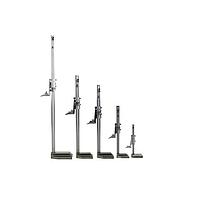
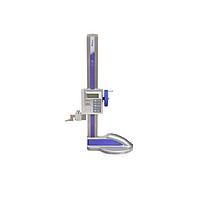
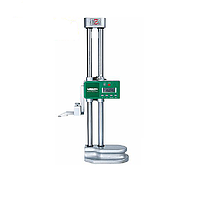
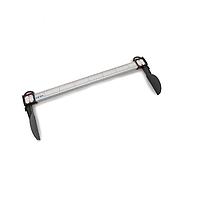
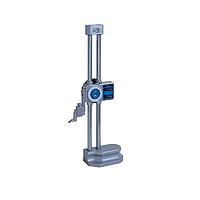
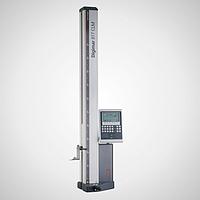
Height Gauge Calibration Service
Reliable dimensional inspection depends on more than a well-made instrument. When a height gauge is used for layout, comparative measurement, or final quality checks, even small deviations can affect machining accuracy, incoming inspection, and documentation throughout the production process. A professional Height Gauge Calibration Service helps verify that the instrument continues to perform within expected measurement conditions and remains suitable for day-to-day use.
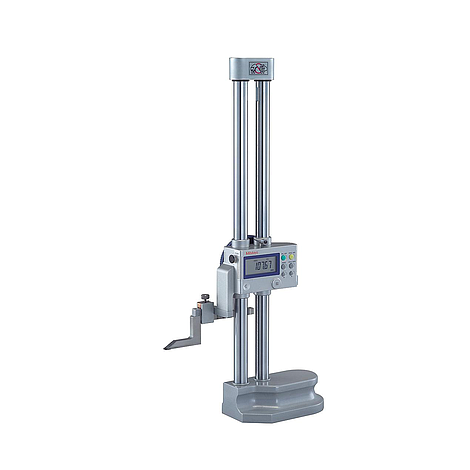
Why height gauge calibration matters
Height gauges are commonly used on surface plates to measure vertical dimensions, scribe reference lines, and compare part features with a high level of repeatability. Because these tools are often part of routine inspection workflows, wear, handling, environmental influence, and long-term use can gradually affect measurement confidence.
A structured calibration service helps identify whether the gauge still supports the required level of control for your application. This is especially important in manufacturing, tool rooms, maintenance departments, laboratories, and quality assurance environments where dimensional consistency is closely linked to product quality and traceability.
What is typically covered in the service
A height gauge calibration process is generally intended to evaluate the measuring performance of the instrument against known standards and defined procedures. Depending on the instrument type and condition, this may include checks related to indication, repeatability, measuring travel, contact alignment, and overall functional performance.
In practice, calibration is not only about finding an error value. It also helps users understand whether the instrument is still appropriate for inspection tasks, whether adjustment or repair should be considered, and whether internal quality records remain properly supported. For companies managing multiple dimensional tools, calibration also helps maintain a more consistent inspection system across departments.
Suitable for different brands and workshop requirements
This category includes service options for widely used brands in industrial measurement. Typical examples include the Mahr Height Gauge Calibration Service, MITUTOYO, KERN, MOORE & WRIGHT, and METROLOGY solutions. Brand-specific service listings make it easier to match the calibration request to the instrument already in use on your shop floor or in your inspection room.
Examples available in this category include Mahr Height Gauge Calibration Service, MITUTOYO Height Gauge Calibration Service, KERN Height Gauge Calibration Service, MOORE & WRIGHT Height Gauge Calibration Service, and METROLOGY Height Gauge Calibration Service. These references are useful when procurement teams, QA staff, or maintenance personnel need a clear service path for instruments from recognized manufacturers.
When to schedule calibration
Calibration intervals depend on usage frequency, measurement criticality, environmental conditions, and internal quality requirements. A height gauge used regularly for in-process checks may require closer attention than one used occasionally for general layout work. Instruments that are moved often, used across shifts, or exposed to dust and temperature variation may also need more frequent verification.
Many businesses schedule calibration as part of a wider instrument control plan. If your inspection workflow also relies on tools such as callipers calibration service or micrometers calibration service, aligning service intervals can simplify asset management and reduce the risk of overdue measuring equipment.
How to choose the right service option
For most buyers, the key starting point is the instrument brand and the role the height gauge plays in the inspection process. It is also useful to consider whether the gauge is mechanical or digital in operation, how it is used in production, and whether your internal procedures require formal calibration records for audits or quality documentation.
Where multiple gauges are in service, selection should also be based on practical factors such as equipment history, previous calibration findings, and the potential impact of out-of-tolerance results on production. In B2B environments, the right service is usually the one that supports measurement reliability, clear documentation, and minimal disruption to routine inspection work.
Part of a broader dimensional control workflow
Height gauges rarely operate in isolation. They are often used alongside depth gauges, calipers, micrometers, and thickness measurement tools as part of a complete dimensional inspection process. Keeping these instruments under regular control helps improve consistency between stations, operators, and batches.
If your inspection tasks extend to vertical depth checks or material thickness verification, related services such as depth gauge calibration service and thickness gauge calibration can support a more complete maintenance and quality strategy. This is particularly relevant for companies working with machined parts, fabricated components, tooling, or incoming goods inspection.
Common users of height gauge calibration services
This service category is relevant to a wide range of industrial users, including precision engineering companies, machine shops, metalworking operations, automotive suppliers, maintenance departments, technical schools, and quality laboratories. In each case, the objective is similar: maintain confidence in dimensional readings used for inspection, setup, and process control.
Organizations operating under documented quality systems often place special emphasis on traceable calibration and controlled measurement intervals. Even where formal certification requirements are not the main driver, regular calibration remains a practical way to reduce measurement uncertainty and detect instrument issues before they affect production decisions.
Support better inspection decisions over time
Choosing a suitable Height Gauge Calibration Service is ultimately about protecting the integrity of your measurement process. Whether you use a single gauge in a workshop or manage a larger fleet of dimensional instruments across multiple areas, routine calibration supports better control, clearer records, and more dependable inspection results.
By selecting a service that matches your instrument brand and operational needs, it becomes easier to maintain long-term measurement confidence. This category brings together relevant service options for commonly used height gauges, helping buyers and technical teams identify a practical route for ongoing calibration planning.
Get exclusive volume discounts, bulk pricing updates, and new product alerts delivered directly to your inbox.
By subscribing, you agree to our Terms of Service and Privacy Policy.
Direct access to our certified experts