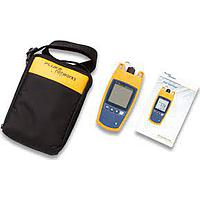
Fiber Ranger Calibration Service
Field fiber troubleshooting depends on trustworthy distance and event measurements. When a fiber ranger is used to locate breaks, verify cable length, or support installation work, calibration helps keep the instrument aligned with the measurement performance expected in day-to-day optical maintenance and testing.
Fiber Ranger Calibration Service is intended for users who rely on repeatable results in telecom, data center, campus network, and industrial fiber environments. For service teams, contractors, and maintenance departments, regular calibration is a practical way to reduce uncertainty, improve traceability, and support more confident decisions during inspection and fault-finding tasks.
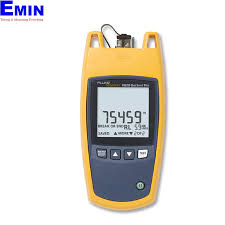
Why calibration matters for fiber rangers
A fiber ranger is commonly used to estimate distance along optical fiber and help identify where a problem may be located. In real applications, even small measurement deviations can affect maintenance workflows, especially when teams are working across long cable runs, multiple splices, patching points, or distributed network infrastructure.
Calibration supports measurement reliability by checking the instrument against known references and verifying that its readings remain within acceptable performance criteria. This is especially important for organizations that document test results, manage preventive maintenance programs, or need consistent instrument behavior across multiple technicians and sites.
Typical use cases in optical networks
This service is relevant wherever fiber links must be checked quickly and efficiently. Installers may use a fiber ranger during commissioning, while maintenance teams may depend on it when isolating faults, estimating cable paths, or validating service conditions before moving to deeper diagnostic testing.
In many workflows, a fiber ranger is only one part of a broader optical test process. Teams that also work with fusion splicing equipment, fault location tools, and power-based measurement devices may benefit from reviewing related services such as calibration for fiber optic welding machines or optical fault locator calibration when managing a complete optical toolset.
What is typically checked during the service
Calibration for this type of instrument generally focuses on the functions that affect practical field readings. Depending on the device and service procedure, this may include verification of distance-related measurement behavior, response consistency, display accuracy, and the overall condition of the instrument as it relates to its intended testing role.
The goal is not simply to confirm that the device powers on, but to assess whether it remains suitable for dependable optical field work. For organizations that rely on controlled test processes, traceability and documented verification are often just as important as the instrument reading itself.
Example instrument within this category
A representative example is the Fluke Network Fiber Ranger Calibration Service, which illustrates the type of support available for this class of optical test equipment. It is particularly relevant for users operating instruments from Fluke Network in fiber installation, maintenance, and troubleshooting environments.
When selecting a service, it is useful to match the calibration scope to the way the instrument is used in the field. Teams performing routine distance estimation may have different priorities from labs or service providers that maintain formal equipment records and require stronger documentation discipline.
How to decide when calibration is needed
Calibration intervals are often driven by internal quality procedures, workload intensity, and the criticality of the measurements being made. Instruments used frequently in field conditions may require closer attention than units kept as backup equipment, especially if they are exposed to transport, temperature changes, or demanding site environments.
It is also sensible to schedule service when readings appear inconsistent, after impact or suspected damage, or before major deployment work where dependable results are important. If your testing workflow includes signal level verification as well as distance-related checks, optical power meter calibration service may also be relevant within the same maintenance plan.
Benefits for maintenance teams and contractors
For B2B users, calibration is not only a technical requirement but also an operational one. A properly maintained instrument base helps reduce repeat site visits, supports smoother handover between technicians, and improves confidence when troubleshooting under time pressure.
In organizations with multiple optical instruments, calibrated equipment also contributes to more consistent work practices across teams. This is valuable in network construction, facility management, service support, and any environment where documented test integrity matters for maintenance history, internal audits, or customer-facing reporting.
Choosing the right service approach
The right calibration service depends on instrument type, usage frequency, and the level of documentation your organization expects. A simple annual service schedule may be enough for some users, while others may prefer calibration aligned with project milestones, quality systems, or asset management cycles.
It is also worth considering the wider optical measurement ecosystem rather than treating each tool in isolation. Fiber rangers are often used alongside OTDRs, photometers, analyzers, and fault location tools, so a structured calibration plan can help keep the entire test chain more consistent over time.
Support better optical measurement decisions
Reliable fiber measurement starts with instruments that are checked and maintained for the work they perform. A well-planned calibration service for fiber ranger equipment helps support accurate field decisions, more stable maintenance routines, and better confidence in optical troubleshooting outcomes.
Whether you manage a small service team or a larger fleet of optical test instruments, this category provides a focused starting point for keeping fiber ranger devices ready for practical network work.
Get exclusive volume discounts, bulk pricing updates, and new product alerts delivered directly to your inbox.
By subscribing, you agree to our Terms of Service and Privacy Policy.
Direct access to our certified experts