Optical Equipment Calibration Service
Accurate fiber-optic testing depends not only on the quality of the instrument, but also on how reliably it measures over time. In telecom installation, network maintenance, laboratory work, and field troubleshooting, even a small measurement drift can affect loss analysis, link certification, and fault localization. That is why Optical Equipment Calibration Service plays an important role in maintaining confidence in test results and supporting consistent technical decisions.
This category covers calibration support for a wide range of optical instruments used in fiber networks and optical measurement workflows. It is relevant for service teams, contractors, labs, and industrial users who need traceable, repeatable performance from optical power meters, attenuation meters, fault locators, analyzers, and related test equipment.
Why calibration matters for optical test equipment
Optical instruments are used to verify signal loss, identify fiber routes, locate faults, and assess network condition. Over time, normal use, transport, environmental exposure, and aging of internal components may influence measurement behavior. Regular calibration helps confirm that the device still performs within expected limits and remains suitable for technical work.
For organizations that document maintenance quality or compare readings across multiple teams, calibration is also part of a broader quality control process. Consistent instrument performance helps reduce uncertainty when commissioning links, investigating signal issues, or validating optical paths in production and service environments.
Types of equipment commonly covered in this category
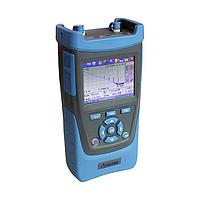
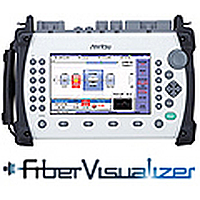
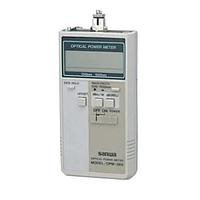
This category is centered on instruments used in optical and fiber communication measurement. Typical examples include optical power meters, optical attenuation meters, optical fiber identifiers, visual fault locators, fiber rangers, and optical analyzers. Each device type serves a different role, so calibration requirements depend on how the instrument is used and what parameter it is expected to verify.
For example, optical power meters and attenuation meters are directly tied to loss measurement and link performance verification. Fiber identifiers and visual fault locators are often used in field maintenance, where dependable indication is important for safe and efficient troubleshooting. In more advanced workflows, optical and spectrum analysis equipment may also require careful calibration to support meaningful comparison of results.
Representative brands and service coverage
The category includes calibration support for instruments from established manufacturers such as ANRITSU, Fluke Network, YOKOGAWA, KEYSIGHT, METRIX, and Promax. These brands are widely associated with optical and electronic measurement environments, and their instruments are often used in telecom, field service, and test applications where reliable performance is essential.
Representative service items in this category include ANRITSU Optical Power Meter Calibration Service, YOKOGAWA Optical Power Meter Calibration Service, Fluke Network Optical Attenuation Meter Calibration Service, YOKOGAWA Optical Attenuation Meter Calibration Service, ANRITSU Visual Fault Locator Calibration Service, Fluke Network Visual Fault Locator Calibration Service, ANRITSU Optical Fiber Identifier Calibration Service, Promax Optical Fiber Identifier Calibration Service, and Fluke Network Fiber Ranger Calibration Service. These examples illustrate the practical scope of the category without limiting it to only one device family or one application scenario.
How to choose the right calibration service
When selecting a service, the first step is to identify the exact instrument type and its intended measurement task. A power meter used for insertion loss checks should be handled differently from a visual fault locator used for quick fault tracing, while a spectrum or optical analyzer may require a more specialized calibration workflow. Matching the service to the instrument function helps avoid unnecessary delays and ensures the result is relevant to actual use.
It is also useful to consider service history, operating frequency, and the criticality of the measurement. Instruments used regularly in field deployment or acceptance testing may need more structured calibration planning than devices used occasionally. If your workflow also involves related electronic test tools, you may want to review electrical and electronic meter calibration services for broader maintenance coordination.
Optical calibration in the wider test and maintenance workflow
Optical measurement equipment rarely works in isolation. In many technical environments, fiber testing is performed alongside RF analysis, electronic diagnostics, and general instrumentation checks. That is why some organizations manage optical devices as part of a wider asset maintenance program covering multiple categories of test equipment.
For example, teams working on communication systems may use optical instruments together with RF platforms and bench instruments. In such cases, related services like oscilloscopes and logic analyzers calibration or support associated with KEYSIGHT equipment can help maintain consistency across the full diagnostic chain.
Examples of instruments supported in this category
Some of the listed services show how calibration needs vary by device role. ANRITSU and YOKOGAWA optical power meter calibration services are aligned with applications where dependable optical level measurement is central to testing. Fluke Network and YOKOGAWA optical attenuation meter calibration services are relevant when verifying signal loss or link attenuation in practical field and lab scenarios.
Services for ANRITSU and Fluke Network visual fault locators, as well as ANRITSU and Promax optical fiber identifiers, support instruments commonly used for live fiber identification and troubleshooting tasks. The inclusion of Fluke Network Fiber Ranger Calibration Service further reflects the need to maintain reliable performance in distance-related or locating functions within fiber maintenance work.
When calibration becomes especially important
Calibration is especially valuable after long periods of use, transport between sites, unexpected measurement discrepancies, or before critical acceptance and verification work. If readings begin to differ from reference expectations or from other instruments in the same workflow, calibration can help determine whether the device remains suitable for service.
Organizations that manage multiple tools across field and bench environments often benefit from a scheduled approach rather than waiting for visible problems. This is particularly relevant for instruments that influence commissioning records, troubleshooting decisions, or maintenance reporting, where measurement reliability is more important than simple basic functionality.
Supporting confident optical measurements
A well-chosen calibration service helps extend the practical value of optical test instruments and supports more dependable measurement results in daily work. Whether the need involves a power meter, attenuation meter, fiber identifier, visual fault locator, analyzer, or fiber ranger, the goal is the same: to keep the instrument aligned with the level of performance required by the job.
By reviewing the available services in this category and matching them to the device type, brand, and application context, buyers can make more informed maintenance decisions. For teams working with fiber networks and optical diagnostics, that structured approach helps reduce uncertainty and supports smoother operation across installation, inspection, and troubleshooting tasks.
Get exclusive volume discounts, bulk pricing updates, and new product alerts delivered directly to your inbox.
By subscribing, you agree to our Terms of Service and Privacy Policy.
Direct access to our certified experts