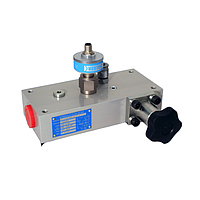
Hydraulic Meter Calibration Service
Accurate flow and pressure readings are essential in hydraulic systems where performance, safety, and troubleshooting depend on reliable measurement. When a meter begins to drift, even small errors can affect machine diagnostics, maintenance decisions, and process consistency. A professional Hydraulic Meter Calibration Service helps verify instrument accuracy and supports dependable operation across industrial, mobile, and test bench applications.
This category focuses on calibration support for hydraulic measuring instruments, including solutions such as the Webtec Hydraulic Meter Calibration Service. It is intended for users who need confidence in hydraulic readings for inspection, maintenance planning, fault finding, or quality control.
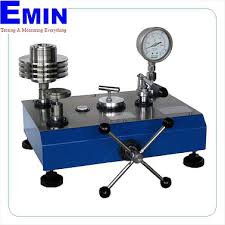
Why hydraulic meter calibration matters
Hydraulic systems operate under demanding conditions, and measurement devices are exposed to pressure cycles, temperature variation, contamination risk, and routine mechanical wear. Over time, these factors can influence the accuracy of a meter and reduce confidence in the values used for service or operational decisions.
Calibration provides a controlled way to compare instrument performance against a reference standard and identify any deviation. For maintenance teams, OEM support personnel, and test engineers, this process helps reduce uncertainty when evaluating pump condition, line behavior, system efficiency, or equipment performance after repair.
Typical instruments covered in this category
This category is relevant for hydraulic measuring devices used to monitor key operating values in fluid power systems. Depending on the instrument design and application, calibration may be required as part of preventive maintenance, periodic quality checks, or verification after extended field use.
Hydraulic meters are commonly used in service workshops, industrial plants, mobile equipment maintenance, and hydraulic power unit testing. In these environments, consistent readings are important not only for technical validation but also for documenting system condition over time.
When to consider recalibration
Recalibration is often appropriate when readings appear inconsistent with actual system behavior, after a device has been subjected to heavy use, or when the instrument has been exposed to shock, contamination, or unusual operating conditions. It is also commonly scheduled at defined intervals where documented measurement reliability is required.
In many operations, a calibration cycle supports better maintenance discipline. Instead of reacting only when a meter appears to fail, teams can use scheduled verification to maintain traceable performance and avoid misinterpretation of hydraulic test results.
How calibration supports maintenance and troubleshooting
Hydraulic diagnostics depend on trustworthy data. If a meter is inaccurate, technicians may spend time investigating the wrong problem, replacing functional components, or misjudging the condition of pumps, valves, and actuators. A verified instrument helps ensure that troubleshooting decisions are based on dependable measurement rather than assumption.
This is particularly important when hydraulic readings are used alongside other pressure-related measurements. In broader maintenance workflows, users may also need related services such as pressure sensor calibration or pressure transmitter calibration to keep the full measurement chain consistent.
Webtec calibration service in hydraulic measurement applications
Webtec is widely associated with hydraulic measurement and testing equipment, making it a relevant manufacturer within this category. The listed Webtec Hydraulic Meter Calibration Service is suitable as a reference point for users seeking support for instruments used in hydraulic monitoring and performance verification.
When choosing a manufacturer-specific service, it is useful to confirm that the calibration scope matches the type of instrument in use and the intended maintenance process. This is especially relevant in B2B environments where records, repeatability, and ongoing equipment support are part of routine asset management.
Choosing the right calibration service
The most suitable service depends on how the instrument is used, how critical the readings are, and whether the device is part of field maintenance, workshop testing, or a more formal inspection routine. Buyers typically review factors such as service applicability, instrument type, calibration frequency, and the level of documentation needed for internal quality procedures.
It can also be helpful to consider related measurement devices in the same maintenance program. For example, organizations managing mixed pressure instrumentation may also review a portable pressure meter calibration service or a fixed pressure gauge calibration option where those instruments are used alongside hydraulic meters.
Benefits for industrial and B2B users
For industrial users, the value of calibration is not limited to instrument accuracy alone. It also supports more consistent maintenance records, improves confidence during commissioning or service verification, and helps teams compare measurements over time with fewer unknowns.
Reliable measurement data is especially important in operations where hydraulic performance affects uptime, production stability, or equipment safety. Whether the instrument is used in a maintenance department, service center, or testing environment, regular calibration contributes to a more controlled and repeatable workflow.
Supporting a more dependable hydraulic measurement process
A hydraulic meter is only as useful as the trust placed in its readings. By using a structured calibration service, maintenance and engineering teams can better validate instrument condition, improve troubleshooting quality, and reduce uncertainty in hydraulic system assessment.
If your operation relies on measured hydraulic performance for inspection, repair, or verification, this category provides a practical route to maintaining measurement confidence. Reviewing the available service options can help you align calibration activity with the instruments and maintenance standards used across your site.
Get exclusive volume discounts, bulk pricing updates, and new product alerts delivered directly to your inbox.
By subscribing, you agree to our Terms of Service and Privacy Policy.
Direct access to our certified experts