
Pressure Transmitter Calibration Service
Accurate pressure data is critical wherever process stability, equipment safety, and product quality depend on reliable instrumentation. In many industrial systems, even a small drift in a transmitter can affect control loops, create reporting errors, or lead to unnecessary troubleshooting. That is why Pressure Transmitter Calibration Service plays an important role in preventive maintenance and instrument verification.
This service is intended for businesses that use pressure transmitters in manufacturing, utilities, water treatment, HVAC, oil and gas support systems, and general process automation. Calibration helps confirm that the transmitter output remains aligned with the applied pressure across the required operating range, so the device can continue to support dependable monitoring and control.
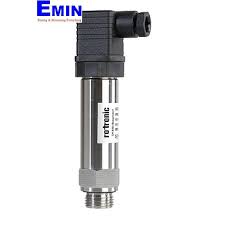
Why pressure transmitter calibration matters
A pressure transmitter is often part of a larger control architecture, sending a signal to PLCs, indicators, data loggers, or SCADA systems. When that signal no longer reflects the actual process pressure with sufficient accuracy, the issue can spread beyond one instrument and affect the entire measurement chain.
Regular calibration helps identify measurement drift, zero offset, span deviation, and output inconsistencies before they become operational problems. For B2B users, this is especially important in environments where maintenance records, process repeatability, and instrument confidence are part of routine quality control.
What is included in a pressure transmitter calibration service
In practical terms, calibration compares the transmitter output against a known reference under controlled test conditions. The goal is to evaluate whether the device responds correctly over selected test points and whether any adjustment or documentation is needed to confirm performance.
Depending on the transmitter type and application, the service may focus on input pressure versus output signal behavior, linearity across the working range, and repeatability over multiple checkpoints. For users managing a broader fleet of instruments, this service is often scheduled alongside related work such as pressure sensor calibration when multiple pressure measurement devices are installed in the same system.
Common applications across industrial environments
Pressure transmitters are widely used in process lines, pumping stations, compressor systems, boiler support equipment, filtration skids, and utility networks. In these applications, the transmitter is expected to provide a stable and traceable signal that operators and automation systems can trust.
Calibration is particularly relevant when the device is used for process control, alarm thresholds, differential monitoring, or production documentation. It is also a common requirement after commissioning, during scheduled shutdowns, after instrument replacement, or when there is reason to suspect abnormal readings compared with other field devices.
When to consider calibration
Many companies calibrate pressure transmitters according to a planned maintenance interval, but timing can also depend on process criticality, operating conditions, and previous stability history. Harsh vibration, pressure cycling, temperature variation, contamination, or long service periods can all increase the likelihood of drift.
Calibration should also be considered when operators notice inconsistent values, unexplained process deviations, or disagreement between the transmitter and a reference gauge. In facilities where several pressure instruments are maintained together, it may also be useful to review related services such as fixed pressure gauge calibration or portable pressure meter calibration to keep field and test equipment aligned.
How to choose the right service scope
Selecting the appropriate calibration scope starts with understanding how the transmitter is used in the actual process. Important considerations include the normal operating range, required test points, signal type, installation environment, and whether the instrument is used for indication, control, or quality-related records.
It is also useful to define whether the objective is routine verification, troubleshooting, or post-repair confirmation. A well-matched service scope helps avoid unnecessary work while still addressing the level of confidence needed for the application. Where hydraulic pressure measurement is part of the same maintenance program, some users also coordinate with hydraulic meter calibration services for broader instrument coverage.
Benefits for maintenance, quality, and compliance workflows
A structured calibration service supports more than instrument accuracy alone. It can improve maintenance planning, reduce uncertainty during diagnostics, and help teams make better decisions about whether a transmitter should remain in service, be adjusted, or be replaced.
For organizations that manage audits, internal quality systems, or documented maintenance procedures, calibration records can also contribute to stronger equipment traceability. This is especially useful in production environments where process data is reviewed over time and confidence in each pressure transmitter directly affects operational reporting.
Support a more reliable pressure measurement program
Pressure transmitters are small components in many systems, but their impact on process visibility is significant. Keeping them calibrated helps maintain trustworthy measurements, supports stable automation performance, and reduces the risk of hidden errors accumulating in day-to-day operations.
For companies building a consistent instrument maintenance strategy, Pressure Transmitter Calibration Service is a practical step toward better control of pressure-related assets. When combined with appropriate calibration intervals and related pressure instrument services, it helps create a more dependable measurement environment across the facility.
Get exclusive volume discounts, bulk pricing updates, and new product alerts delivered directly to your inbox.
By subscribing, you agree to our Terms of Service and Privacy Policy.
Direct access to our certified experts