
Floor Scales Calibration Service
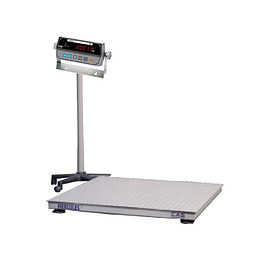
Reliable weight readings are critical in shipping, warehouse operations, production lines, and incoming goods inspection. When a floor scale starts drifting, even small measurement errors can affect inventory control, batching accuracy, process consistency, and quality documentation. A professional Floor Scales Calibration Service helps verify that the equipment is reading correctly and performing as expected in day-to-day industrial use.
This service category is intended for businesses that depend on platform and floor-mounted weighing systems for routine operations. Whether the scale is used for pallet weighing, material handling, packaging, or general industrial measurement, calibration supports more consistent results and better confidence in recorded weight data.
Why floor scale calibration matters
Floor scales are often exposed to demanding environments, including vibration, heavy traffic, dust, impact loading, and uneven use over time. These conditions can influence weighing performance, especially when the equipment is used frequently or handles loads across a wide operating range. Regular calibration helps identify deviations before they lead to larger process issues.
For many facilities, calibration is not only about measurement quality but also about traceability, audit readiness, and internal quality control. In logistics and manufacturing settings, dependable weighing data can support smoother receiving, dispatch, batching, and stock reconciliation workflows.
Typical applications for this service
Floor scale calibration is relevant across a wide range of industrial and commercial operations. Common use cases include pallet scales in warehouses, platform scales in production areas, weighing points in packing stations, and material handling zones where products or raw materials are checked before movement or processing.
The service is especially useful when weight data is tied to operational decisions, recorded procedures, or customer-facing documentation. If your application involves heavier suspended loads instead of floor-mounted platforms, a separate crane scale calibration service may be more appropriate.
What is typically checked during calibration
A floor scale calibration process generally focuses on confirming the relationship between the applied load and the displayed reading. This may include checking performance across multiple points, reviewing repeatability, and confirming that the scale responds consistently under normal operating conditions. The goal is to determine whether the instrument remains suitable for its intended measuring task.
In practice, technicians may also look at basic operating behavior such as zero stability, response to applied loads, and overall weighing consistency. These checks help build a clearer picture of the scale’s current condition and whether adjustment or further service may be required.
How to choose the right calibration scope
Not every weighing application needs the same service approach. The right calibration scope depends on how the floor scale is used, the working load range, the required level of accuracy, and whether the measurement supports internal process control or more demanding quality requirements. A busy warehouse scale used for shipping verification may have different priorities than a platform scale used in controlled production steps.
If your operation uses smaller instruments for detailed measurements, it may also be useful to review a precision scale calibration service for laboratory, benchtop, or lower-capacity weighing tasks. Matching the calibration type to the actual use case helps maintain practical measurement reliability without overcomplicating the service plan.
CAS-related service options in this category
For organizations using equipment from CAS, this category also includes relevant service options such as the Cas Floor Scale Calibration Service. Referencing the manufacturer can be useful when a site standardizes around a specific installed base or needs service aligned with existing equipment fleets.
That said, the most important factor is not the brand name alone but the actual weighing application, load profile, and operating environment. Calibration should support how the scale is used in the field, especially where throughput, repeat weighing, or routine verification tasks are part of daily operations.
When to schedule calibration
Calibration intervals depend on usage intensity, environmental conditions, quality requirements, and the risk associated with incorrect measurements. Facilities with high traffic, repeated heavy loading, or strict documentation requirements often benefit from a more structured service schedule. Scales may also need checking after relocation, mechanical shock, overload events, or maintenance work.
If weighing equipment is part of a broader fleet, service planning can be coordinated across different instrument types. For example, operations that also rely on lab-style weighing devices or analytical equipment may combine this with related services such as analyzer scale calibration service where appropriate.
Supporting consistent operations across your weighing equipment
Floor scales are often one part of a larger measurement system that may include receiving checks, production verification, packaging control, and inventory management. Keeping these scales calibrated helps reduce avoidable discrepancies and supports more dependable process data throughout the site.
When reviewing service needs, it is helpful to consider the full weighing workflow: where the scale is installed, what loads are measured, how often readings are recorded, and what decisions depend on the result. A suitable calibration service should reflect real operating conditions and help maintain confidence in the measurement points that matter most.
Conclusion
Choosing a floor scale calibration service is ultimately about maintaining practical measurement confidence in everyday industrial use. From pallet handling and warehousing to production and dispatch, calibrated equipment helps support smoother operations, better documentation, and more reliable weight control. If your facility depends on floor-mounted weighing systems, this category provides a focused starting point for selecting service aligned with your equipment and application.
Get exclusive volume discounts, bulk pricing updates, and new product alerts delivered directly to your inbox.
By subscribing, you agree to our Terms of Service and Privacy Policy.
Direct access to our certified experts
