
Precision Scale Calibration Service
Accurate weighing depends on more than the scale’s display or rated readability. In laboratories, quality control areas, production rooms, and inspection environments, even small deviations can affect batching results, test repeatability, and compliance records. That is why Precision Scale Calibration Service plays an important role in maintaining confidence in measurement performance over time.
This category is intended for organizations that use precision weighing equipment and need a practical way to verify accuracy, reduce measurement uncertainty in daily operations, and keep instruments aligned with internal quality procedures. Whether the scale is used for sample preparation, incoming material checks, or fine weighing tasks, calibration helps confirm that the instrument is still performing as expected.
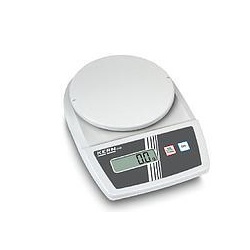
Why calibration matters for precision weighing
A precision scale is often used where small differences in mass can influence downstream decisions. In many industrial and laboratory workflows, weighing data is part of a larger process that may include formulation, verification, traceability, or product release. Regular calibration helps identify drift, loading errors, or performance changes before they become a larger operational problem.
Compared with general-purpose weighing equipment, precision instruments are usually expected to deliver more stable and repeatable results under controlled conditions. This makes calibration traceability and routine performance verification especially valuable. A scheduled calibration service can also support internal audits and help users document that their weighing equipment is being monitored appropriately.
Typical equipment covered in this category
This category focuses on calibration services for precision scales and related electronic weighing devices used in applications where finer measurement resolution is required. These instruments are commonly found in laboratories, research facilities, electronics manufacturing, pharmaceuticals, food testing, education, and general industrial quality assurance.
Examples within this category include services such as Mettler Toledo Precision Balance Calibration Service, AND Precision Balance Calibration Service, OHAUS Precision Balance Calibration Service, and RADWAG Precision Balance Calibration Service. The category also includes relevant services for electronic balances from brands such as KERN, AXIS, and YOKE where precise weighing performance must be checked and documented.
What a precision scale calibration service helps verify
While the exact procedure depends on the instrument type and operating range, calibration generally focuses on confirming how the scale responds across meaningful load points. This may include checking indication behavior, repeatability, and consistency under normal use conditions. For users, the main goal is to understand whether the measured value remains reliable for the intended application.
In practical terms, a precision balance should not only display a value, but do so consistently when the same load is applied under the same conditions. Calibration helps detect issues such as offset, sensitivity changes, or measurement deviation over time. That insight is important when weighing results are used for process control, product quality, or recorded test data.
How to choose the right service scope
The right calibration service depends on the instrument’s role in your process, the required measurement confidence, and how frequently the scale is used. A scale that supports routine laboratory work may have different service expectations than one used in educational settings or one integrated into a regulated manufacturing environment. The weighing range, readability, installation environment, and internal quality requirements should all be considered.
It is also useful to match the service to the actual equipment type. For example, a compact bench instrument may fit a service profile similar to ELCOMETER Compact Balance Calibration Service, while school or training environments may align better with KERN School Balance Calibration Service. If your application involves a different weighing format, related categories such as floor scale calibration service or crane scale calibration service may be more suitable.
Representative brands and service options
This category includes service options for many widely used weighing brands in industrial and laboratory environments. Users looking for brand-specific support will find relevant references for manufacturers such as AND, Mettler Toledo, OHAUS, RADWAG, TANITA, CAS, ELCOMETER, KERN, YOKE, and AXIS. Mentioning the brand is useful because calibration requirements often begin with the installed equipment already in use at the customer site.
Examples of listed services include Mettler Toledo Precision Balance Calibration Service, ELCOMETER Compact Balance Calibration Service, YOKE Electronic Balance Calibration Service, TANITA Electronic Scale Calibration Service, and CAS Electronic Scale Calibration Service. These examples help illustrate the range of supported equipment without turning the page into a simple product list. The key point is that the service category is built around the verification of weighing performance for precision-oriented applications.
When to consider recalibration
Calibration is typically not a one-time activity. Over time, weighing instruments can be affected by environmental conditions, transportation, vibration, cleaning routines, routine wear, or accidental overload. If users notice unstable readings, inconsistent repeat measurements, or unexplained process variation, recalibration should be considered as part of troubleshooting.
Many organizations also define service intervals based on risk, usage frequency, and quality procedures. Instruments used in critical measurement steps often require a more disciplined schedule than scales used occasionally for general checks. If your operation also uses specialized weighing devices for composition or humidity-related testing, related options like moisture analyzer calibration service may be relevant alongside this category.
Support better measurement decisions with a suitable calibration plan
Selecting a calibration service is ultimately about matching measurement assurance to real operating needs. For some users, that means maintaining stable lab results. For others, it means supporting production consistency, customer documentation, or internal quality systems. A well-chosen service helps keep weighing equipment dependable without adding unnecessary complexity.
If your team relies on precise mass readings in day-to-day work, this category provides a focused starting point for finding appropriate support. Review the listed services by equipment type and brand, then choose the option that best fits your application, weighing environment, and required level of confidence in the results.
Get exclusive volume discounts, bulk pricing updates, and new product alerts delivered directly to your inbox.
By subscribing, you agree to our Terms of Service and Privacy Policy.
Direct access to our certified experts
