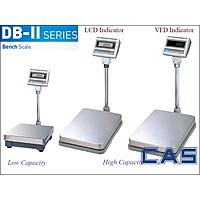
Table Scale Calibration Service
Accurate weighing on a bench or workstation depends on more than the scale itself. In production, packaging, quality control, laboratories, and shipping areas, even small deviations can affect process consistency, documentation, and day-to-day operational confidence. A professional Table Scale Calibration Service helps verify that bench and table weighing equipment is performing within expected tolerances for its intended use.
This category focuses on calibration support for compact and mid-capacity scales commonly used on tables, counters, and workbenches. It is relevant for businesses that rely on repeatable weight readings, whether the scale is used for incoming inspection, batching, parts counting, portioning, or routine industrial weighing.
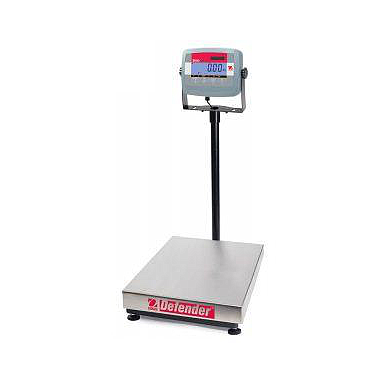
Why table scale calibration matters in daily operations
Table scales are often installed close to the point of use, which makes them practical but also exposes them to conditions that can influence performance. Frequent loading, relocation, vibration, dust, cleaning routines, and operator variation can all contribute to drift over time. Calibration helps confirm that the displayed measurement remains reliable for the application.
For many businesses, calibration is also part of a broader quality assurance workflow. A properly calibrated bench scale supports traceability, reduces the risk of avoidable weighing errors, and helps teams maintain confidence in inspection or production data. This is especially important where weight is tied to acceptance criteria, material control, or internal process checks.
What this service category is intended for
This category is designed for table and bench weighing equipment used across industrial, commercial, and technical environments. These scales are typically selected when users need a compact footprint, straightforward operation, and dependable readings for routine tasks. Calibration helps align the instrument with expected measurement performance rather than relying only on visual checks or informal comparisons.
Depending on the equipment in use, businesses may also need support for related service categories. For larger platform-based systems, floor scale calibration may be more appropriate, while applications requiring finer readability may be better matched to precision scale calibration service.
Typical applications for bench and table scales
Table scales are used in a wide range of processes because they fit easily into workstations and can support repetitive weighing tasks without requiring a large installation area. Common use cases include packaging verification, material dispensing, component weighing, receiving inspection, sample preparation, and inventory-related counting functions.
In these environments, measurement consistency often matters more than absolute high capacity. A scale that appears to work normally may still produce small deviations that become significant when repeated across many transactions or batches. Regular calibration helps identify these shifts before they affect downstream decisions.
Examples of supported brands and calibration needs
This category includes service options associated with widely used bench scale brands such as KERN, OHAUS, PCE, CAS, and AXIS. These manufacturers are commonly found in industrial and laboratory-adjacent weighing applications, and calibration service is relevant whether the instrument is used for routine internal checks or more formal documented maintenance programs.
Representative service listings in this category include the PCE Benchtop Scale Calibration Service, KERN Bench Scale Calibration Service, OHAUS Bench Scale Calibration Service, AXIS Electronic Bench Calibration Service, and CAS Bench Scale Calibration Service. These examples help users quickly identify service coverage aligned with the equipment brand already installed in their facility.
How to choose the right calibration service
When selecting a service, it helps to start with the actual role of the scale in your process. Consider where the instrument is used, how often it operates, the level of reading resolution required, and whether weight values are linked to internal quality records or customer-facing output. A scale used occasionally for rough checks may not be managed the same way as one used daily in controlled production steps.
It is also useful to confirm that the service matches the scale type rather than choosing only by capacity or brand name. Bench and table scales are different from suspended weighing systems and moisture-focused equipment. If your application involves overhead loads, crane scale calibration service is the more relevant category, while moisture-specific testing workflows may require moisture analyzer calibration service.
When recalibration should be considered
Calibration intervals vary by application, but there are common situations where recalibration is worth planning. These include routine periodic maintenance, relocation of the scale, exposure to impact or overload, noticeable changes in repeatability, or any event that could influence load cell or indicator performance. Businesses with documented inspection procedures often schedule calibration at defined intervals to keep weighing equipment under control.
Even when a scale continues to power on and produce readings, that does not automatically confirm dependable performance. Recalibration is a practical way to verify that the instrument still supports the process requirements it was selected for. This can be particularly useful in environments where multiple operators use the same scale across different shifts.
Supporting a more reliable weighing workflow
Calibration should be viewed as part of the wider weighing ecosystem, not as an isolated administrative task. A stable weighing process depends on correct scale selection, suitable placement, consistent handling, and periodic verification. When these elements work together, bench and table scales can continue to support routine operations with fewer surprises and better measurement confidence.
For organizations using compact weighing equipment across packaging, inspection, production, or lab support tasks, this category provides a practical starting point for finding the right service path. Choosing a table scale calibration option that matches the equipment type and real operating conditions can help maintain dependable results over time.
Get exclusive volume discounts, bulk pricing updates, and new product alerts delivered directly to your inbox.
By subscribing, you agree to our Terms of Service and Privacy Policy.
Direct access to our certified experts