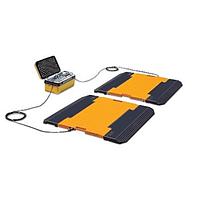
Truck Scale Calibration Service
Accurate vehicle weighing is essential anywhere bulk materials, freight, agricultural goods, or industrial loads move in and out of a facility. Even small measurement errors on a truck scale can affect billing, inventory control, compliance records, and day-to-day operational confidence. That is why Truck Scale Calibration Service plays an important role in keeping weighbridge systems reliable under real working conditions.
For facilities that depend on consistent weight data, calibration is more than a routine check. It helps verify that the scale is performing within acceptable limits, supports traceable measurement practices, and reduces the risk of disputes caused by inaccurate readings. Whether the scale is used for inbound raw materials, outbound shipments, or internal logistics, regular calibration helps maintain dependable results over time.
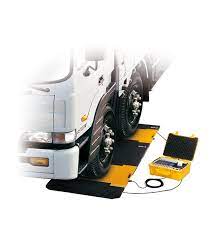
Why truck scale calibration matters in industrial operations
Truck scales operate in demanding environments. Heavy traffic, vibration, temperature changes, moisture, dust, and long-term mechanical stress can all influence weighing performance. Over time, these factors may shift measurement accuracy, making periodic calibration a practical requirement for facilities that rely on precise load data.
A properly calibrated weighbridge supports fair trade, stronger process control, and better reporting accuracy. In sectors such as logistics, mining, waste management, agriculture, and manufacturing, dependable scale readings help prevent product loss, reduce reconciliation issues, and improve confidence in every recorded transaction.
What is typically included in a truck scale calibration service
A truck scale calibration service generally focuses on checking and adjusting the weighing system so that measured values align with known reference standards. In practice, this may involve evaluating the scale’s response across its operating range, confirming repeatability, and reviewing whether the indication remains stable and consistent during use.
For organizations using CAS equipment, service planning may also involve matching the calibration approach to the installed system and its operating pattern. The listed CAS Electronic Truck Scale Calibration Service is relevant for users looking for support tied specifically to this type of vehicle weighing application.
Common situations that indicate calibration may be needed
Calibration is often scheduled at regular intervals, but there are also practical signs that a truck scale should be checked sooner. These may include inconsistent weight tickets, unexplained differences between inbound and outbound records, customer disputes, or noticeable shifts after maintenance, relocation, or heavy impact.
Facilities may also request calibration after replacing load-related components, updating instrumentation, or returning a scale to service after downtime. In these cases, verification helps confirm that the system is ready for normal use and that the weight data used for commercial or internal decisions remains trustworthy.
How to choose the right service approach
The right calibration plan depends on how the scale is used, how often it is loaded, and how critical the measurements are to operations. A site handling continuous heavy vehicle traffic may need a different service interval than a facility with occasional weighing activity. Environmental exposure, maintenance history, and internal quality requirements should also be considered.
When evaluating options, it is useful to think beyond a single visit and look at the broader measurement lifecycle. A good service strategy helps align calibration frequency with operational risk, required documentation, and the role the scale plays in commercial transactions or production control.
Related calibration services in the broader weighing environment
Many facilities operate more than one type of weighing equipment. In addition to weighbridges, it is common to see platform scales in warehouses, suspended scales in lifting applications, or high-resolution units in laboratory and formulation areas. Reviewing related services can help standardize maintenance practices across the site.
Depending on your equipment mix, you may also want to explore floor scale calibration, crane scale calibration, or precision scale calibration for applications where different load ranges and operating conditions require separate verification methods.
Benefits of regular calibration for quality and cost control
Routine calibration helps protect both operational efficiency and financial accuracy. When weight data is dependable, teams can make better decisions about receiving, shipping, inventory movement, and process accountability. This is especially important where weight values feed directly into ERP records, invoicing, or production reporting.
From a cost perspective, regular service can also help detect performance drift before it creates larger problems. That may reduce the chance of rework, claims, product giveaway, or prolonged troubleshooting. In other words, calibration management supports not only compliance needs but also practical day-to-day cost control.
Support for facilities using truck weighing systems
Truck scales are often mission-critical assets, especially in high-throughput sites where vehicle flow affects the entire operation. Choosing a service suited to the equipment type and application helps maintain continuity and reduces uncertainty around recorded weights. For organizations using CAS systems, the available service offering provides a focused option tied to this weighing category.
If your site depends on accurate vehicle weighing, regular calibration is a sensible step toward more reliable measurement performance. A well-planned service schedule helps keep the scale aligned with operational needs, improves confidence in each weighment, and supports a more controlled industrial workflow overall.
Get exclusive volume discounts, bulk pricing updates, and new product alerts delivered directly to your inbox.
By subscribing, you agree to our Terms of Service and Privacy Policy.
Direct access to our certified experts