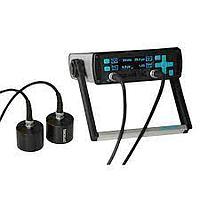
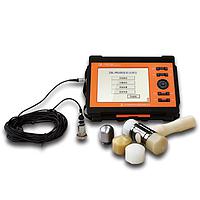
Concrete Ultrasonic Detector Calibration Service
Reliable ultrasonic concrete testing depends on more than the instrument itself. In routine inspection, structural assessment, and material quality verification, even small measurement drift can affect pulse velocity readings, comparison trends, and the interpretation of internal concrete conditions. That is why Concrete Ultrasonic Detector Calibration Service is an important part of maintaining confidence in non-destructive testing workflows.
For laboratories, contractors, consultants, and civil engineering teams, proper calibration helps keep ultrasonic test equipment aligned with expected performance. It also supports more consistent results across projects, operators, and inspection intervals, especially when instruments are used for ongoing condition assessment or quality control programs.
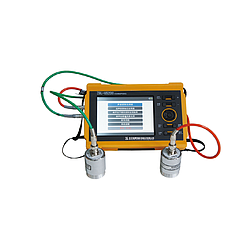
Why calibration matters for concrete ultrasonic detectors
Concrete ultrasonic detectors are commonly used to evaluate pulse transmission behavior through concrete elements. In practice, these instruments support checks related to material uniformity, comparative quality assessment, and the detection of possible internal changes that may require further investigation. Because decisions often rely on subtle differences in readings, calibration plays a direct role in measurement credibility.
A well-managed calibration service helps verify whether the device is operating within expected conditions and whether its measurement response remains stable over time. This is particularly relevant for equipment exposed to field handling, transport, repeated use, or demanding site environments. When calibration is overlooked, users may face unnecessary uncertainty in trending data or inspection reports.
Typical situations where recalibration is recommended
Calibration is not only useful as a scheduled maintenance activity. It is also relevant after intensive field use, long storage periods, transport between projects, or whenever users notice inconsistent results during comparative testing. If the instrument is part of a quality system or formal inspection process, periodic recalibration can also help support documentation and traceability requirements.
Teams that work with multiple concrete test methods often recalibrate ultrasonic devices alongside related instruments to keep the whole inspection process consistent. In that context, users may also review services such as concrete test hammer calibration or cover meter and rebar detector calibration when maintaining a broader concrete testing setup.
What this service supports in practical testing workflows
The purpose of calibration is not simply to confirm that an instrument powers on. It is intended to support measurement reliability in real inspection conditions. For ultrasonic concrete testing, that means helping the equipment deliver dependable response characteristics so that pulse velocity measurements and comparative evaluations remain meaningful.
This is especially important when ultrasonic testing is used together with visual inspection, rebound testing, or reinforcement detection. A stable and properly calibrated instrument improves confidence when engineers compare areas of a structure, monitor changes over time, or use non-destructive test data to support maintenance and assessment decisions.
Example equipment within this category
A representative item in this category is the PROCEQ Ultrasonic Pulse Velocity Calibration Service. This type of service is relevant for users who rely on ultrasonic pulse velocity testing as part of concrete evaluation and need their equipment checked at appropriate intervals.
PROCEQ is a familiar name in non-destructive testing for concrete and construction materials, so calibration support for compatible instruments is a practical requirement for many users in the field. Rather than treating calibration as a one-time task, many organizations include it as part of regular equipment lifecycle management.
How calibration fits into a broader concrete testing ecosystem
Ultrasonic testing is often only one part of a larger inspection program. On concrete structures, teams may combine pulse velocity measurements with rebound methods, cover measurement, rebar location, permeability-related evaluation, or corrosion-focused assessment depending on the project objective. Keeping each device properly maintained helps reduce variability across the overall testing process.
If your workflow includes several instrument types, it may be helpful to review related options such as rebar corrosion detection calibration service. This kind of coordinated approach is especially useful for inspection teams that need more consistent documentation across multiple methods and reporting stages.
What to consider when choosing a calibration service
When selecting a service for concrete ultrasonic detectors, it is worth focusing on equipment compatibility, the role of the instrument in your testing program, and how often the device is used in the field. A heavily used instrument in active project rotation may need closer calibration management than a unit used only occasionally for internal checks.
It is also useful to consider how calibration records will be used. For some organizations, the goal is simply operational assurance. For others, calibration supports internal quality systems, customer reporting, or third-party project requirements. In either case, choosing a service that aligns with the instrument type and the intended testing application is more valuable than taking a generic approach.
Supporting better long-term use of ultrasonic concrete instruments
Consistent calibration practices can help extend the practical value of an ultrasonic detector by reducing uncertainty in day-to-day use. Alongside careful handling, proper storage, and routine functional checks, calibration supports a more dependable instrument fleet over time. This matters whether the device is used on construction sites, in laboratories, or during asset condition surveys.
For organizations that depend on non-destructive concrete testing, Concrete Ultrasonic Detector Calibration Service is a practical way to support dependable measurements and smoother inspection workflows. If ultrasonic pulse velocity data plays a role in your decision-making, regular calibration is a sensible step toward more consistent and defensible results.
Get exclusive volume discounts, bulk pricing updates, and new product alerts delivered directly to your inbox.
By subscribing, you agree to our Terms of Service and Privacy Policy.
Direct access to our certified experts