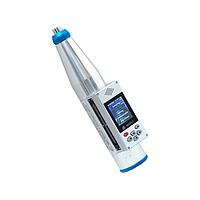
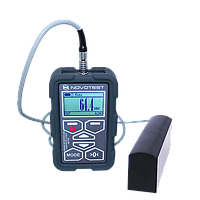
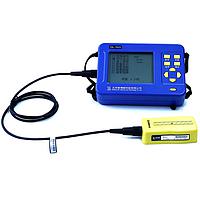
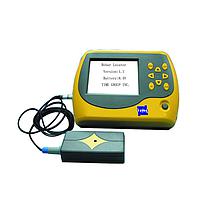
Soil, Concrete, Cement, Rock, Asphalt, Rebar Tester Calibration Service
Reliable inspection data depends not only on the instrument itself, but also on how well that instrument is verified over time. In construction materials testing, civil engineering surveys, and structural assessment work, even small measurement drift can affect maintenance decisions, quality records, and project acceptance. That is why Soil, Concrete, Cement, Rock, Asphalt, Rebar Tester Calibration Service plays an important role in keeping testing equipment consistent, traceable, and fit for ongoing use.
This category covers calibration support for a wide range of instruments used in non-destructive testing, concrete assessment, rebar location, corrosion evaluation, and material condition monitoring. It is relevant for laboratories, contractors, inspection companies, infrastructure owners, and technical service teams that need dependable results from field and lab equipment.
Why calibration matters for construction material testing instruments
Testers used on concrete, rebar, asphalt, rock, and related materials often support decisions about structural quality, durability, repair planning, and compliance documentation. When these devices are used regularly in demanding environments, their readings can shift due to wear, impact, environmental conditions, sensor aging, or repeated transport between sites.
Calibration service helps confirm that the instrument performs within its intended measurement behavior and remains suitable for its application. For organizations that rely on comparative testing, trend analysis, or repeatable field measurements, routine calibration is a practical way to reduce uncertainty and improve confidence in the data collected.
Typical equipment covered in this category
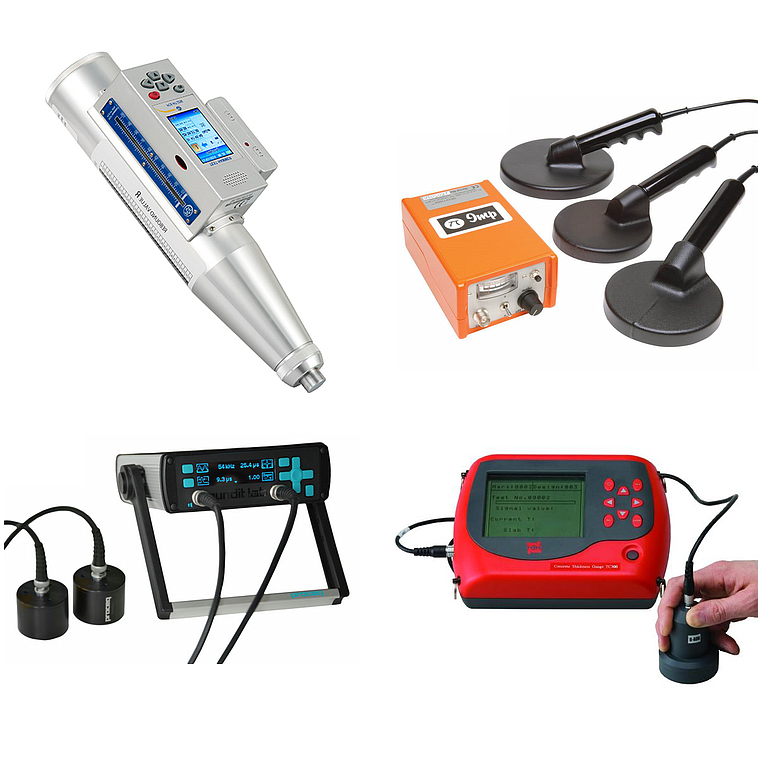
This category is broad because construction and structural testing rarely relies on a single device type. It may include instruments used to evaluate concrete strength, locate reinforcing bars, check cover depth, assess corrosion risk, measure pulse velocity, determine surface resistivity, and support steel structure analysis.
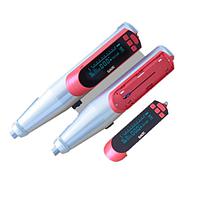
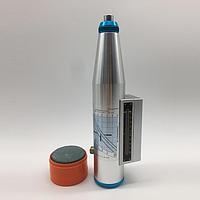
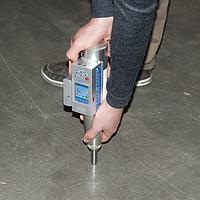
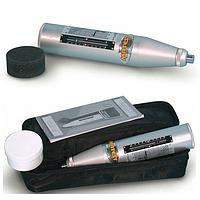
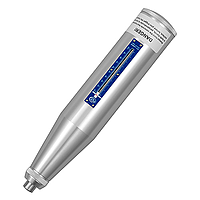
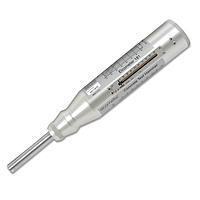
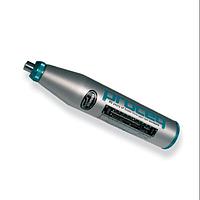
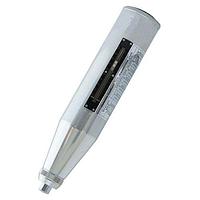
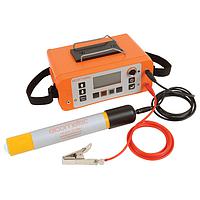
Representative services in this category include the NOVOTEST Strength Meter Calibration Service, NOVOTEST Steel Structure Analyzer Calibration Service, Proceq Resipod Resistivity Meter Calibration Service, PROCEQ Ultrasonic Pulse Velocity Calibration Service, and calibration support for cover meters, rebar detectors, and pull-off testers for concrete. These examples reflect the variety of equipment used across field inspection, QA/QC workflows, and asset integrity programs.
Common applications across civil engineering and inspection work
Calibration is especially relevant where instruments are used to compare structural conditions over time or to support acceptance criteria on active projects. Contractors may use these devices during construction quality checks, while consultants and inspection teams may depend on them for rehabilitation studies, condition assessments, and forensic evaluations.
In practical terms, the service applies to work involving bridges, buildings, industrial floors, tunnels, retaining structures, precast elements, pavements, and reinforced concrete assets. If your workflow also involves other measuring equipment outside this category, related support may be available through mechanical measuring instrument calibration or electrical and electronic meter calibration.
Supported brands and service scope
This category includes calibration services associated with well-known brands used in material and structural testing, including PROCEQ, NOVOTEST, ELCOMETER, MADE, and T-measurement. Brand-specific service availability matters because different instruments may use different sensing methods, probe arrangements, verification procedures, or application ranges.
Examples from this page include PROCEQ services for ultrasonic pulse velocity, pull-off concrete testing, cover meter and rebar detection, as well as corrosion detection. There are also service options for ELCOMETER rebar corrosion detection and cover meter devices, plus calibration support for NOVOTEST strength meters and steel structure analyzers. The goal is not simply to list brands, but to ensure the service aligns with the intended instrument type and measurement function.
How to choose the right calibration service
The most effective starting point is to match the service to the actual testing principle of your instrument. A cover meter, for example, should not be treated the same way as an ultrasonic pulse velocity unit or a resistivity meter. Although all of them may be used on reinforced concrete structures, they evaluate different parameters and therefore require different calibration approaches.
It also helps to consider how the instrument is used in your organization: field inspection, laboratory verification, routine QA, or specialist structural diagnostics. If your equipment is exposed to frequent transport, harsh jobsite conditions, or high usage cycles, a regular calibration schedule is usually more important than for lightly used devices. For broader electronic test workflows, some users may also need services such as oscilloscope and logic analyzer calibration to support associated diagnostic equipment.
Examples of service needs within this category
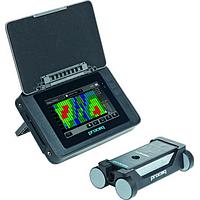
Organizations managing reinforced concrete inspection programs often need calibration for cover meters and rebar detectors to maintain reliable bar location and cover depth readings. In this area, services such as PROCEQ Cover Meter & Rebar Detector Calibration Service, ELCOMETER Cover Meter & Rebar Detector Calibration Service, MADE Cover Meter & Rebar Detector Calibration Service, T-measurement Cover Meter & Rebar Detector Calibration Service, and Novotest Cover Meter & Rebar Detector Calibration Service illustrate the breadth of supported equipment.
For durability and condition assessment, calibration may also be required for corrosion detection and surface resistivity instruments, such as PROCEQ Rebar Corrosion Detection Calibration Service, ELCOMETER Rebar Corrosion Detection Calibration Service, and Proceq Resipod Resistivity Meter Calibration Service. Where bond strength or material integrity testing is part of the workflow, the Proceq Pull Off Tester For Concrete Calibration Service is another relevant example.
Who typically benefits from this service
Construction labs, inspection firms, civil engineering contractors, universities, public works departments, and infrastructure maintenance teams can all benefit from this category. The service is particularly useful when equipment is used to generate reports for clients, support project handover, or maintain internal quality systems.
It is also valuable for organizations managing mixed fleets of testing instruments from multiple manufacturers. In those cases, keeping calibration up to date helps standardize measurement reliability across teams and projects, even when the devices themselves serve different functions. That can be especially important when comparing historical data or coordinating between field and lab personnel.
Keeping your testing workflow consistent
Choosing the right calibration service is ultimately about maintaining confidence in measurement results across the full lifecycle of your equipment. Whether you use concrete strength meters, steel structure analyzers, resistivity meters, ultrasonic testers, or rebar detection tools, proper calibration supports better repeatability and more dependable technical decisions.
This category is designed for users who need calibration support for material testing and structural inspection instruments in one place. By selecting a service that matches the instrument type, brand, and application, teams can keep their testing workflow more consistent, reduce avoidable measurement uncertainty, and support more reliable reporting in the field or laboratory.
Get exclusive volume discounts, bulk pricing updates, and new product alerts delivered directly to your inbox.
By subscribing, you agree to our Terms of Service and Privacy Policy.
Direct access to our certified experts