
Compressed Air and Gases Tester Calibration Service
Accurate measurements in compressed air and industrial gas systems are critical for energy management, process reliability, and product quality. When a tester begins to drift, even small errors can affect leak detection, dew point verification, flow analysis, pressure readings, or overall system diagnostics. A professional Compressed Air and Gases Tester Calibration Service helps restore confidence in the data used for maintenance, compliance, and operational decision-making.
This category is intended for users who need calibration support for instruments used in compressed air and gas applications. Whether the device is part of routine plant monitoring, audit work, or troubleshooting, proper calibration supports traceable results and more dependable field measurements.
Why calibration matters for compressed air and gas testing
Compressed air is often treated as a utility, but in many facilities it directly affects production efficiency and final product quality. Instruments used to evaluate air quality, pressure, flow, temperature, and related parameters must remain accurate over time if teams are expected to identify losses, validate performance, or compare readings across multiple locations.
A structured calibration service helps reduce uncertainty caused by sensor aging, environmental exposure, transport, and regular use. This is especially important where measurement data is used to support preventive maintenance, energy optimization, or quality records. In these cases, calibration is not just a technical formality; it is part of maintaining a dependable measurement process.
Typical instruments covered in this service category
This service category is relevant to testers and meters used for evaluating compressed air systems and industrial gases. Depending on the instrument design, calibration may apply to one or more measured variables, such as pressure, flow, temperature, humidity, or dew point. The exact calibration scope depends on the device configuration and intended application.
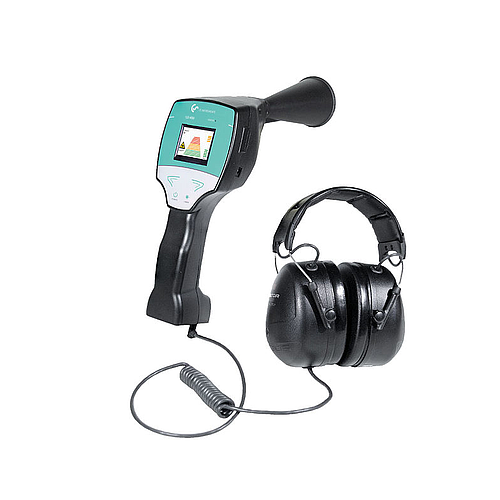
One representative option in this category is the CS Instruments Compressed Air and Gases Tester Calibration Service. This type of service is useful for organizations that rely on portable or installed test equipment to verify system condition, diagnose inefficiencies, or document performance in compressed air networks.
Suitable applications across industrial environments
Calibration support for compressed air and gas test equipment is relevant in manufacturing plants, packaging lines, food and beverage operations, pharmaceutical environments, electronics production, and utilities management. In these settings, measurement errors can lead to incorrect maintenance actions, missed leaks, unstable process conditions, or inaccurate reporting of system performance.
It is also valuable for service teams, contractors, and reliability engineers who use portable analyzers during audits and commissioning work. When instruments are moved frequently between sites, periodic calibration becomes even more important to confirm that readings remain trustworthy under real operating conditions.
How to evaluate the right calibration service
When selecting a service, the first consideration is the measurement function of the instrument. Some devices focus on a single variable, while others combine several sensing elements in one platform. The calibration approach should match the actual functions used in your application rather than treating every tester as identical.
It is also helpful to review calibration intervals, operating environment, and how the instrument is used in the field. Equipment exposed to vibration, contamination, wide temperature variation, or frequent handling may require closer attention. If your organization manages multiple specialized instruments, related services such as coating thickness meter calibration or laser power meter calibration may also be relevant within a broader maintenance program.
Working with CS Instruments equipment
For users operating equipment from CS Instruments, manufacturer-aligned service options can be especially useful when maintaining consistency across measurement workflows. This is relevant for teams that depend on test results for system optimization, quality documentation, or comparative trend analysis over time.
Using a calibration service tailored to the instrument family can help support correct evaluation of the tester’s performance and intended measurement role. For B2B buyers, this is often less about a one-time adjustment and more about preserving the reliability of a wider compressed air monitoring strategy.
Calibration as part of a broader reliability program
In many facilities, compressed air testing is only one part of a larger set of specialized measurement activities. A good calibration schedule makes it easier to align field instruments with maintenance planning, shutdown windows, and quality assurance procedures. Instead of reacting only when a reading seems questionable, teams can manage measurement accuracy more systematically.
This is particularly useful where multiple specialty devices support inspection and testing tasks. For example, companies with diverse technical assets may also review services such as color assessment cabinet calibration as part of a centralized approach to instrument care and documentation.
When to consider recalibration
Recalibration should be considered at regular service intervals, after heavy use, or whenever there is reason to question measurement integrity. Typical triggers include unexpected reading differences, exposure to harsh conditions, transport between job sites, repair events, or a long period since the last verified service.
For organizations that use test results to make maintenance or compliance decisions, waiting until obvious errors appear may introduce unnecessary risk. A planned calibration cycle helps maintain measurement confidence and supports more consistent decision-making across operations, engineering, and quality teams.
Choosing a service that supports practical field use
The most useful calibration service is one that reflects how the instrument is actually used in daily work. That means considering the application, the type of gas system being tested, the required level of confidence in the readings, and the role the device plays in maintenance or validation activities. A suitable service should support accurate use of the tester in the environments where it matters most.
If you are sourcing support for compressed air and gas measurement equipment, this category provides a focused starting point for maintaining instrument accuracy and long-term usability. For many industrial users, reliable calibration is a practical step toward better diagnostics, stronger documentation, and more dependable system performance.
Get exclusive volume discounts, bulk pricing updates, and new product alerts delivered directly to your inbox.
By subscribing, you agree to our Terms of Service and Privacy Policy.
Direct access to our certified experts
