Specialty Meters Calibration Service
Accurate readings are essential when instruments are used for inspection, maintenance, production control, or product quality verification. In environments where devices measure color, vibration, airflow, coating performance, timing, or detection sensitivity, even small deviations can affect traceability, process consistency, and confidence in results. That is why Specialty Meters Calibration Service plays an important role for many industrial and laboratory users.
This category covers calibration support for a wide range of specialized measuring instruments that do not always fit neatly into standard electrical or dimensional calibration groups. Instead, these instruments are often application-specific and used in sectors such as manufacturing, utilities, coating inspection, environmental monitoring, maintenance, and quality assurance. The goal is straightforward: verify instrument performance, identify drift, and help maintain reliable measurement data over time.
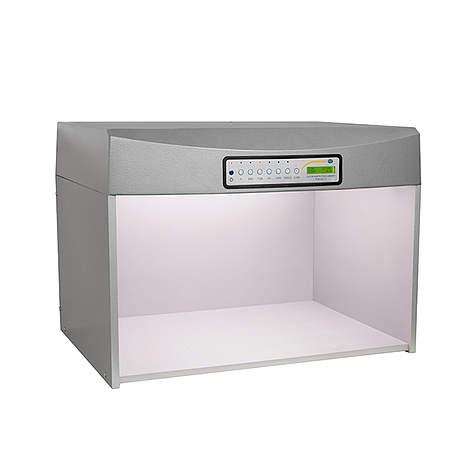
Where specialty meter calibration is commonly needed
Specialty meters are typically selected for one focused task, such as checking vibration levels, validating color measurement, confirming flow conditions, or testing adhesion performance. Because they are used in targeted applications, users often rely on them for pass/fail decisions, maintenance planning, acceptance checks, or process adjustment. Regular calibration helps reduce uncertainty when these readings are used in daily operations.
This category is especially relevant for organizations managing mixed fleets of instruments across departments. A maintenance team may need vibration verification, a coating team may need adhesion or thickness-related support, and a lab or quality team may rely on color measurement devices. By grouping these services under one category, it becomes easier to identify suitable calibration options for specialized equipment.
Instruments typically covered in this category
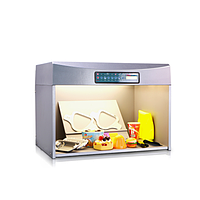
The scope of this category includes calibration services for instruments such as metal detectors, stopwatches, flow-related meters, color measurement devices, adhesion testers, vibration meters, and accelerometer-based tools. These devices often have different operating principles, so calibration methods and reference standards can vary significantly depending on the measurement function.
Examples from this category include the MINELAB Metal Detector Calibration Service, the Garrett Metal Detector Calibration Service, the EXTECH Stopwatch/Timer/Clock Calibration Service, the PCE Ultrasonic Flow Meter Calibration Service, and the Xrite Spectrophotometer Calibration Service. Services are also available for coating-related instruments such as the DEFELSKO Adhesion Tester Calibration Service and ELCOMETER Adhesion Tester Calibration Service, along with vibration-related support for EXTECH, PCE, and FLUKE equipment.
Why calibration matters for specialty measuring devices
Unlike general-purpose meters, specialty instruments are often tied directly to a specific process outcome. A metal detector may be part of safety or inspection workflow. A stopwatch or timer may support procedural checks. A vibration meter may influence condition monitoring decisions, while a color meter or spectrophotometer may be used to compare product appearance against internal standards. In each case, measurement confidence matters more than simply obtaining a number on the display.
Calibration helps confirm whether the instrument still performs within expected limits after use, transport, storage, or long service intervals. It can also support internal quality systems by providing documented evidence that an instrument has been checked against known references. For many B2B users, this is important not only for technical accuracy but also for audit readiness and consistent process control.
How to choose the right calibration service
The best starting point is the instrument’s measurement function rather than the device shape or brand name. For example, a color measurement instrument may belong under colorimeter or spectrophotometer-related service depending on how it is used. A vibration instrument may require support for the meter itself, the sensor, or an accelerometer in the measurement chain. Flow-related devices may also differ depending on whether they are designed for air, liquid, or ultrasonic measurement methods.
Brand compatibility is also important when planning service. This category includes support examples for manufacturers such as PCE, EXTECH, HACH, MINELAB, Garrett, Xrite, DEFELSKO, and ELCOMETER. When reviewing your options, it is useful to match the service to the instrument type, intended application, and the level of documentation needed for your maintenance or quality records.
Examples of application-focused calibration needs
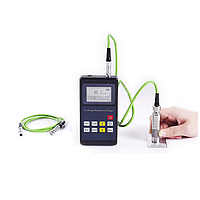
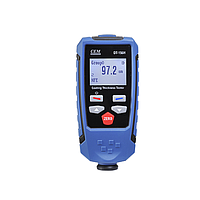
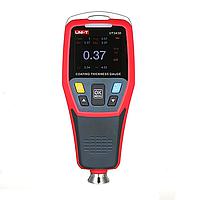
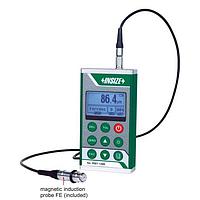
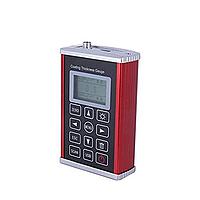
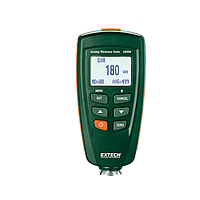
In coating inspection, adhesion testing instruments are used to evaluate bond performance and surface preparation quality. Calibration support for devices such as DEFELSKO and ELCOMETER adhesion testers helps users maintain dependable results when inspections are tied to product acceptance or maintenance decisions. Similarly, color measurement instruments from brands such as HACH or Xrite can require periodic verification to support visual consistency, product matching, or laboratory comparison work.
For maintenance and reliability teams, vibration meters and accelerometer-related instruments are another common requirement. Services such as the EXTECH Vibration Meter Calibration Service, PCE Accelerometer Calibration Service, and FLUKE Vibration Meter Calibration Service support users who monitor machine condition and trend equipment behavior over time. In process and utility applications, a service such as the PCE Ultrasonic Flow Meter Calibration Service may be relevant where flow verification influences troubleshooting, balancing, or operational checks.
Related calibration categories for broader instrument management
Some organizations manage specialty meters alongside other test equipment in a unified calibration program. If your site also uses multimeters, process meters, or similar devices, you may want to review electrical and electronic meter calibration services. This can help streamline planning when multiple departments need calibration support at the same time.
For facilities that also maintain dimensional gauges or comparators, mechanical measuring instruments calibration services may also be relevant. Looking at adjacent service categories can be useful when building a more complete maintenance, inspection, and quality assurance workflow across different instrument types.
Working with mixed-brand instrument fleets
Many industrial users do not rely on a single manufacturer. It is common to find EXTECH timers, FLUKE vibration devices, PCE flow instruments, HACH color meters, and MINELAB or Garrett detection tools operating in the same facility. A practical calibration category should therefore support cross-brand needs while keeping the service selection process simple and function-based.
This category is designed for that reality. Rather than focusing on one narrow device family, it helps users identify calibration services for specialized measurement tasks across inspection, testing, maintenance, and quality applications. That makes it easier to maintain traceability and service continuity even when instruments come from different suppliers or serve different departments.
Final considerations before sending equipment for calibration
Before arranging service, it is helpful to confirm the exact instrument model, its measuring function, and any accessories or sensors that affect the reading. You should also consider how the device is used in practice: for routine checks, formal reporting, incoming inspection, or process validation. These details can help ensure the selected service aligns with the real application, not just the product label.
For companies that depend on specialized measurement tools, calibration is part of maintaining reliable operations rather than an administrative formality. A well-matched calibration service can support better decisions, more consistent inspections, and clearer measurement records across a broad range of specialty instruments.
Get exclusive volume discounts, bulk pricing updates, and new product alerts delivered directly to your inbox.
By subscribing, you agree to our Terms of Service and Privacy Policy.
Direct access to our certified experts