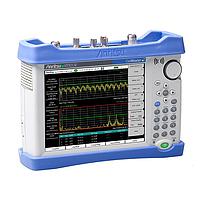
BTS station analyzer Calibration Service
Accurate field and lab measurements depend on instruments that remain stable over time, especially in mobile network test environments where signal quality, power, and protocol-related checks all need reliable references. When a BTS station analyzer drifts out of tolerance, even small errors can affect maintenance decisions, troubleshooting speed, and confidence in test results. That is why BTS station analyzer Calibration Service is an important part of telecom test equipment lifecycle management.
This category is intended for users who need calibration support for BTS station analyzers used in telecom and wireless service workflows. Whether the instrument is used for routine verification, field support, or maintenance planning, calibration helps maintain measurement consistency and supports better traceability across day-to-day testing activities.
Why calibration matters for BTS station analyzers
A BTS station analyzer is typically used in environments where technicians need dependable readings for RF-related checks and network support tasks. Over time, normal use, transport, environmental conditions, and component aging can influence instrument performance. Calibration helps verify that the analyzer continues to measure within its intended operating accuracy.
For service teams, this is not only about technical compliance but also about practical decision-making. A properly calibrated instrument reduces the risk of chasing false faults, misreading power or signal conditions, or making adjustments based on uncertain data. In telecom maintenance workflows, measurement confidence directly affects efficiency in the field.
What this service category is designed to support
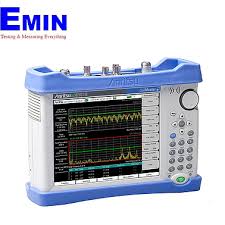
This category focuses on calibration support for BTS station analyzers, including service needs around instruments such as the ANRITSU BTS Station Analyzer Calibration Service. The goal is not simply to process an instrument through a routine check, but to help users maintain dependable performance for the testing tasks these analyzers are built to handle.
Because BTS station analyzers are commonly used in telecom environments, calibration is often part of a wider equipment management program. Organizations may schedule service based on internal quality procedures, periodic maintenance intervals, or performance verification requirements after extended field use. In each case, calibration supports more consistent operation across the instrument fleet.
Typical users and application environments
This type of service is relevant for telecom operators, service contractors, repair organizations, system integrators, and technical teams responsible for wireless infrastructure support. It is also useful for laboratories and engineering groups that rely on BTS station analyzers during installation, verification, troubleshooting, or ongoing network maintenance activities.
In practice, analyzers in this class may be moved between sites, exposed to varying temperatures, or used frequently in demanding field conditions. Those realities make periodic calibration especially valuable. A structured service approach helps confirm that the instrument remains suitable for use when accurate readings are needed for technical evaluations and maintenance decisions.
ANRITSU instruments in this category
For users working with ANRITSU test equipment, this category provides a focused route to calibration support that matches the needs of BTS station analyzers. ANRITSU is widely recognized in telecom test environments, and calibration planning for these instruments is often part of broader asset care and reliability management.
When selecting a service path, it is useful to consider how the analyzer is being used: routine field checks, workshop diagnostics, or more formal maintenance programs may each place different demands on turnaround planning and calibration intervals. Choosing a category dedicated to the instrument type makes it easier to align service with actual operational use rather than treating all telecom test equipment the same way.
How to choose the right calibration path
The most appropriate service option usually depends on instrument type, measurement role, and how the analyzer fits into your maintenance process. If your primary need is calibration for a BTS station analyzer, a dedicated category like this one keeps the scope clear and avoids confusion with services intended for other RF and telecom instruments.
Some users also manage multiple types of test equipment within the same workflow. In those cases, it can help to review related services for neighboring instrument classes, such as vector network analyzer calibration or RF and microwave power meter calibration, when building a broader calibration schedule.
Benefits of a dedicated service category
A specialized category helps procurement teams and technical users quickly identify a service that matches the intended instrument class. This is especially useful in B2B purchasing environments where different departments may be involved, including maintenance, metrology, operations, and sourcing. Clear categorization reduces back-and-forth and supports better service planning.
It also improves consistency when organizations manage multiple assets across locations. Instead of treating calibration as an ad hoc activity, teams can use a dedicated service category to standardize how analyzers are sent for service, documented internally, and aligned with maintenance intervals. That creates a more controlled process around telecom test equipment calibration.
Supporting a wider telecom test ecosystem
BTS station analyzers rarely operate in isolation. In many telecom workflows, they sit alongside other instruments used for RF, microwave, and general network support tasks. Calibration planning is more effective when viewed as part of the overall test ecosystem rather than as a one-off service event for a single device.
For organizations maintaining a mixed instrument inventory, related service categories such as wave test equipment calibration may also be relevant. This kind of structured approach supports equipment reliability, clearer maintenance planning, and better continuity in test results across different measurement tools.
Final considerations
Choosing the right calibration service for a BTS station analyzer is ultimately about maintaining dependable measurements in telecom testing and support work. A focused service category makes it easier to identify the right path for the instrument, especially when calibration is part of a recurring maintenance or quality process.
If your team relies on BTS station analyzers for field or technical service operations, this category provides a practical starting point for keeping those instruments aligned with your measurement needs. With the right calibration workflow in place, it becomes easier to protect test accuracy, improve consistency, and support more confident technical decisions over time.
Get exclusive volume discounts, bulk pricing updates, and new product alerts delivered directly to your inbox.
By subscribing, you agree to our Terms of Service and Privacy Policy.
Direct access to our certified experts