Telecom-TV Tester Calibration Service
Reliable RF, telecom, and broadcast measurements depend on instruments that remain stable over time and across demanding operating conditions. When analyzers, generators, wireless testers, or power meters drift out of tolerance, the impact is felt quickly in troubleshooting accuracy, compliance confidence, and production efficiency. That is why Telecom-TV Tester Calibration Service plays an important role in laboratories, service centers, manufacturing lines, and field support environments.
This category covers calibration support for a wide range of telecom and TV test equipment used in signal analysis, wireless validation, audio testing, RF power measurement, and network verification. Whether the priority is maintaining traceable measurement performance, reducing uncertainty, or keeping service intervals organized across multiple instrument types, the goal is the same: dependable test results you can trust in day-to-day work.
Why calibration matters for telecom and broadcast test equipment
Telecom and TV testers are used to evaluate signals, modulation quality, frequency behavior, RF power, wireless performance, and transmission integrity. In these applications, even a small measurement deviation can affect maintenance decisions, fault isolation, acceptance testing, or product verification. Regular calibration helps confirm that the instrument is still performing within its intended measurement capability.
Compared with more general-purpose electrical instruments, telecom test platforms often combine several functions in one device. A single unit may include signal generation, analysis, power measurement, or wireless test routines. This makes periodic calibration especially important for organizations managing mixed fleets of RF and communications equipment alongside other services such as electrical and electronic meter calibration.
Equipment typically covered in this category
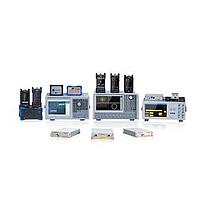
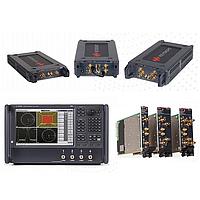
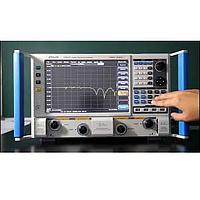
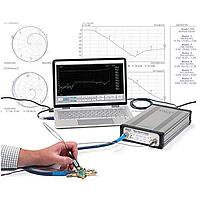
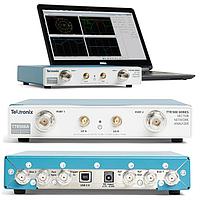
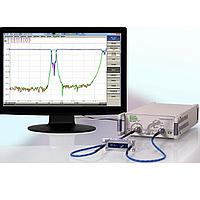
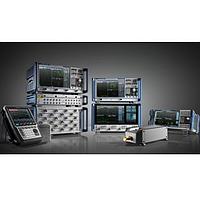
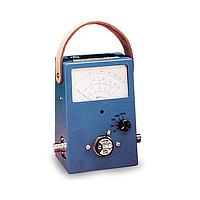
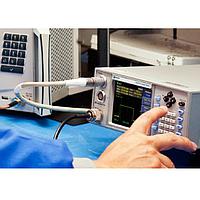
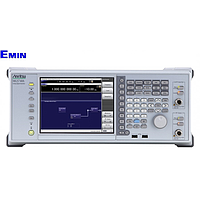
This category is centered on instruments used for RF, microwave, wireless, and telecom testing. It commonly includes signal analyzers, signal generators, BTS station analyzers, Wi-Fi and Bluetooth testers, cable and antenna analyzers, audio analyzers, VSWR analyzers, EMC precompliance sets, and RF or microwave power meters. These devices are used in communications development, maintenance, repair, quality assurance, and field validation.
Examples from this category illustrate the range of supported equipment. Services may apply to instruments such as the KEYSIGHT Signal Analyzer Calibration Service, Anritsu Signal Generator Calibration Service, KEITHLEY Audio Analyzer Calibration Service, Rohde & Schwarz EMC Precompliance Set Calibration Service, FLUKE Wi-fi Tester Calibration Service, and ANRITSU BTS Station Analyzer Calibration Service. The emphasis is not only on the instrument label, but on restoring confidence in the measurements that support technical decisions.
Common application environments
Calibration demand for telecom and TV testers usually comes from organizations that depend on repeatable signal measurements. This includes electronics manufacturers, communications equipment integrators, RF labs, maintenance teams, educational labs, service providers, and broadcast-related technical departments. In these settings, instruments may be used continuously, transported between sites, or exposed to changing temperature and handling conditions that can gradually influence measurement performance.
Field and bench use also create different calibration needs. A laboratory-based signal analyzer may require routine verification to support stable reference measurements, while a portable wireless tester used in service operations may need calibration aligned with heavier handling cycles. Similar maintenance planning is often seen across adjacent equipment groups such as oscilloscopes and logic analyzers calibration services, where uptime and measurement reliability are equally critical.
How to choose the right calibration service scope
Not every instrument is used in the same way, so calibration planning should reflect actual operating requirements. A good starting point is the device type, how often it is used, the level of measurement risk in your process, and whether the instrument supports troubleshooting, production release, compliance work, or routine maintenance. Instruments used as references or in high-value test stages usually justify tighter control over calibration intervals.
It is also useful to match the service scope to the instrument function. For example, a KEYSIGHT RF or microwave power meter used for power verification may require a different calibration focus than an ANRITSU Bluetooth tester used in wireless validation. Likewise, a KEITHLEY or KEYSIGHT audio analyzer is tied more closely to low-frequency and audio measurement integrity, while a signal analyzer or signal generator may be central to RF characterization workflows.
Where teams manage multiple device families, it can be practical to review related categories as part of the same service planning cycle. For broader coverage, organizations may also coordinate telecom test equipment with AC/DC power supply calibration when bench setups include source, measurement, and signal chain equipment in one validation process.
Leading brands commonly associated with this category
This category includes calibration services relevant to widely used test platforms from manufacturers such as ANRITSU, KEYSIGHT, FLUKE, KEITHLEY, Rohde & Schwarz, TEKTRONIX, YOKOGAWA, PICO, Fluke Network, and Chauvin Arnoux. Brand selection matters because many users organize maintenance schedules around installed fleets, service histories, and the measurement roles assigned to each instrument family.
Among the representative services shown here, ANRITSU appears in areas such as Bluetooth testers, BTS station analyzers, signal analyzers, and signal generators. KEYSIGHT is represented in audio analyzers, RF and microwave power meters, VSWR analyzers, signal analyzers, and signal generators. Rohde & Schwarz and FLUKE are also present through EMC precompliance and Wi-Fi tester applications. This mix reflects the practical diversity of telecom calibration needs rather than a single equipment type or use case.
Service planning considerations for RF and wireless instruments
Telecom instruments are often part of a larger measurement chain, so calibration should be considered in context. If a signal generator feeds a device under test and a signal analyzer reads the response, drift in either instrument can affect interpretation. The same logic applies to Wi-Fi or Bluetooth testers, cable and antenna analyzers, and power meters used in verification routines. A structured service schedule helps reduce uncertainty and supports more consistent troubleshooting.
Another practical factor is instrument criticality. Devices used for incoming inspection or routine field checks may be managed differently from analyzers used in development or acceptance testing. Teams that handle broader diagnostic programs may also review neighboring services such as video borescope or camera calibration only when those tools are part of the same maintenance ecosystem, but telecom testers usually require their own dedicated calibration workflow because of their specialized measurement functions.
Examples of calibration needs across instrument types
Different telecom testers support different measurement tasks, so the reason for calibration can vary. A signal analyzer is typically associated with frequency-domain observation and signal characterization. A signal generator supports known-output test conditions. A VSWR analyzer or cable and antenna analyzer is more closely tied to transmission path assessment, while a BTS station analyzer helps evaluate base station-related performance in service and maintenance work.
Audio analyzers and EMC precompliance sets add further range to this category. The KEITHLEY Audio Analyzer Calibration Service and KEYSIGHT Audio Analyzer Calibration Service illustrate the low-frequency and audio side of telecom-related test work, while the Rohde & Schwarz EMC Precompliance Set Calibration Service points to environments where electromagnetic behavior must be checked before formal testing. Together, these examples show that this category supports both RF-heavy workflows and broader electronic validation tasks connected to communications systems.
Choosing with confidence
Finding the right calibration path for telecom and TV test equipment starts with understanding how the instrument is used, what measurements matter most, and how much risk is attached to inaccurate results. A well-structured calibration plan helps protect test validity, supports maintenance efficiency, and keeps critical analyzers, generators, and wireless testers aligned with real operating needs.
If you are comparing services for signal analyzers, signal generators, RF power meters, audio analyzers, or wireless test instruments, this category provides a focused starting point. By selecting calibration support that matches the role of each device in your workflow, it becomes easier to maintain dependable measurement performance across telecom, RF, and broadcast-related applications.
Get exclusive volume discounts, bulk pricing updates, and new product alerts delivered directly to your inbox.
By subscribing, you agree to our Terms of Service and Privacy Policy.
Direct access to our certified experts