
Cable and antenna analyzers Calibration Service
Accurate RF field work depends on confidence in the instrument behind every measurement. When a cable and antenna analyzer is used to verify feeder lines, check return loss, locate faults, or confirm antenna system performance, even small measurement drift can affect maintenance decisions, acceptance testing, and troubleshooting results. That is why Cable and antenna analyzers Calibration Service plays an important role in telecom, broadcast, and RF service environments.
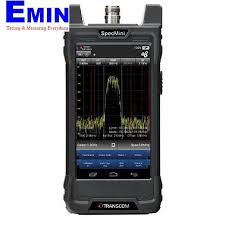
Why calibration matters for cable and antenna analyzers
These instruments are typically used to assess transmission line and antenna conditions through parameters such as impedance behavior, return loss, and related RF responses. In practice, they support tasks such as installation validation, preventive maintenance, and fault isolation in communication systems. If the analyzer is out of calibration, the measured condition of the cable path or antenna system may no longer reflect the actual installation.
A structured calibration service helps maintain measurement traceability, improves confidence in reported values, and supports consistent testing across teams and sites. For organizations managing telecom infrastructure, repeatable measurement quality is especially important when results are used for service records, maintenance planning, or comparison over time.
Typical use cases in telecom and RF maintenance
Cable and antenna analyzers are commonly used where signal path integrity must be verified quickly and reliably. Field engineers may rely on them during tower work, indoor distributed antenna system checks, base station maintenance, and broadcast or RF distribution inspections. In these contexts, dependable instrument performance helps reduce unnecessary rework and shortens the time needed to identify actual line or antenna issues.
Calibration is also relevant for companies that operate fleets of test instruments across multiple technicians or locations. A regular service interval helps keep instruments aligned with internal quality systems and provides a clearer basis for comparing test results between jobs, teams, and maintenance cycles.
What this service category covers
This category focuses on calibration support for cable and antenna analyzers from widely used manufacturers in the RF and telecom test market. Examples include service options related to Rohde & Schwarz, Fluke Network, Promax, PROTEK, MADE, MOHR, and TRANSCOM instruments, depending on the analyzer in use and the service scope required.
Representative listings in this category include the Rohde & Schwarz Cable & Antenna Analyzer Calibration Service, Fluke Network Cable & Antenna Analyzer Calibration Service, and Promax Cable & Antenna Analyzer Calibration Service. These examples help illustrate the range of supported brands without turning the page into a product list. The key objective remains the same: restoring confidence that the analyzer is performing within an appropriate calibration framework for its intended application.
How to choose the right calibration service
Selection usually starts with the instrument brand, the exact analyzer model in your asset base, and the way the device is used in the field. A unit used for routine installation checks may have different service priorities than one used for acceptance documentation or more demanding RF diagnostic work. It is also useful to consider your required turnaround time, documentation expectations, and any internal quality or audit requirements.
For teams working across broader RF test environments, calibration planning should also account for related instruments. In many workflows, cable and antenna analyzers are used alongside equipment covered by Vector Network Analyzer Calibration Service or RF, Microwave power meter Calibration Service. Looking at calibration needs across the full test chain can help maintain consistency from bench verification to field deployment.
Common brands and service examples in this category
Several manufacturers appear frequently in telecom and RF maintenance environments. Fluke Network is well known in network and cable test applications, while Rohde & Schwarz is widely associated with RF and microwave measurement. Promax, PROTEK, MADE, MOHR, and TRANSCOM may also be relevant depending on the installed base and regional service needs.
Examples available in this category include dedicated calibration services for Rohde & Schwarz, Fluke Network, MADE, Promax, PROTEK, MOHR, and TRANSCOM cable and antenna analyzers. These listings are helpful when procurement teams need a brand-specific starting point, but the broader value of the category is that it supports organized instrument maintenance for RF troubleshooting and verification workflows.
When to schedule calibration
Calibration intervals are often driven by internal procedures, service history, instrument usage frequency, and the criticality of the measurements being made. Equipment exposed to regular transport, demanding field environments, or frequent use may need closer attention than instruments kept mainly in controlled lab conditions. If an analyzer has experienced impact, unusual behavior, or inconsistent results, service review should not wait for the next planned cycle.
It can also be practical to align analyzer calibration with the service schedule of other telecom test assets. Organizations managing broader test inventories may also review categories such as Wave Test Equipment Calibration Service when building a more complete maintenance plan for communication and RF measurement equipment.
What buyers and technical teams usually look for
For B2B buyers, the decision is rarely based on price alone. Technical teams typically want a service path that matches the analyzer brand, supports reliable documentation, and fits operational timelines. Procurement teams may also need a clear category structure so they can quickly identify the relevant service for a specific asset without sorting through unrelated test equipment.
From an engineering perspective, the value of calibration is straightforward: it helps maintain measurement reliability and supports better technical decisions in the field. Whether the analyzer is used for routine cable checks or broader RF system verification, a well-managed calibration program reduces uncertainty and helps protect the quality of maintenance records and test outcomes.
Supporting more consistent RF maintenance decisions
Choosing the right calibration service for a cable and antenna analyzer is ultimately about keeping test results dependable over time. That matters for service contractors, telecom operators, system integrators, and maintenance teams that rely on instrument readings to confirm installation quality or investigate performance issues.
This category brings together relevant service options for commonly used analyzer brands while making it easier to plan calibration within a wider telecom test workflow. If you are reviewing support for your RF measurement fleet, this is a practical place to start when stable, traceable, and usable analyzer performance is part of the job.
Get exclusive volume discounts, bulk pricing updates, and new product alerts delivered directly to your inbox.
By subscribing, you agree to our Terms of Service and Privacy Policy.
Direct access to our certified experts
