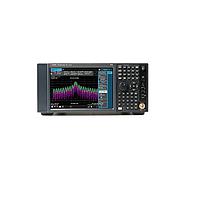
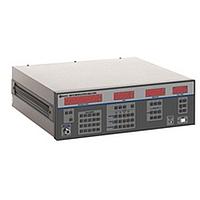
Signal Analyzer Calibration Service
Accurate RF and spectrum measurements depend on more than instrument features alone. In telecom, broadcast, service, and electronics test environments, even a small drift in a signal analyzer can affect troubleshooting, compliance checks, and trend analysis. That is why a professional Signal Analyzer Calibration Service is an important part of maintaining measurement confidence across daily operation, preventive maintenance, and audit preparation.
This category is intended for organizations that rely on signal analyzers to verify frequency behavior, modulation quality, signal levels, and overall RF performance. Whether the instrument is used on a bench, in field support, or in a service lab, calibration helps confirm that the analyzer remains aligned with expected measurement performance and suitable for critical testing tasks.
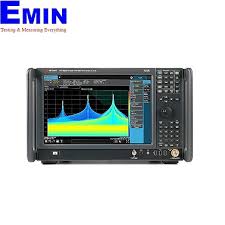
Why calibration matters for signal analyzers
A signal analyzer is often used as a reference tool when evaluating transmitters, receivers, wireless modules, and communication systems. If amplitude, frequency, or modulation-related measurements begin to drift, technicians may end up diagnosing the wrong issue or accepting results that no longer reflect actual device behavior. Regular calibration helps reduce that risk by verifying instrument performance against traceable standards and accepted procedures.
For many users, calibration is not only about formal quality systems. It also supports measurement consistency between teams, sites, and service cycles. This is especially relevant where historical comparison matters, such as network maintenance, production verification, lab validation, or RF troubleshooting over time.
Typical use cases in telecom and RF testing
Signal analyzers are used across a wide range of measurement tasks, from checking occupied spectrum and interference patterns to evaluating modulation-related behavior in communication equipment. In practical workflows, these instruments may support maintenance of wireless infrastructure, device development, broadcast support, and service-center diagnostics. Because they are frequently used in demanding environments, scheduled calibration can help keep results dependable.
Calibration is especially relevant when the analyzer supports broader RF workflows alongside tools such as vector network analyzer calibration service or RF and microwave power meter calibration. In these environments, consistent performance across different instrument types helps create a more reliable test chain and improves confidence in cross-checking results.
Supported brands and representative calibration services
This category includes calibration service options for widely used brands in electronic test and measurement. Examples include solutions related to KEYSIGHT, BOONTON, GW INSTEK, and Promax, all of which are commonly associated with RF and signal analysis applications in industrial and technical settings.
Representative listings in this category include the KEYSIGHT Signal Analyzer Calibration Service and Promax Signal Analyzer Calibration Service. Related RF measurement services such as the Boonton FM/AM Modulation Analyzer Calibration Service and the GW INSTEK Multi-Channel LoRa Tester Calibration Service also illustrate the broader ecosystem of telecom and wireless test support, where analyzer accuracy and repeatability remain essential.
What to consider when selecting a calibration service
Choosing the right service starts with understanding how the instrument is actually used. A signal analyzer dedicated to routine pass/fail checks may have different calibration priorities than one used for lab investigation, service escalation, or comparative performance analysis. In either case, users should consider service scope, documentation requirements, traceability expectations, and turnaround planning in relation to internal quality processes.
It is also useful to review the analyzer’s role within the overall measurement system. If your workflow depends on related RF level measurements, services such as RF voltmeter calibration may be relevant in parallel. Where waveform-focused instruments are part of the same lab or service bench, wave test equipment calibration service can also support a more complete maintenance strategy.
Calibration in preventive maintenance and quality workflows
In many organizations, calibration is part of a broader asset management and quality framework rather than a one-time event. Scheduled intervals help reduce unexpected deviations, simplify equipment planning, and support internal or customer-facing documentation requirements. This is particularly important in B2B settings where test records may influence service decisions, product acceptance, or maintenance reporting.
A structured calibration approach can also improve operational efficiency. Instead of reacting only after questionable readings appear, teams can maintain a predictable cycle for verification and service. Over time, that supports better instrument availability, fewer measurement disputes, and stronger confidence in RF data generated during testing and troubleshooting.
How this category fits into a broader calibration ecosystem
Signal analyzer calibration is one part of a larger telecom and electronic test equipment service landscape. Many facilities maintain several instrument classes at once, including analyzers for network behavior, power measurement, modulation analysis, and waveform evaluation. Managing these services together can make maintenance planning more practical and help standardize documentation across the organization.
For buyers, engineers, and maintenance teams, this category provides a focused way to identify calibration options tied to signal analysis applications without losing sight of related service needs. The result is a more coherent path for supporting RF test equipment throughout its working life, especially where uptime, repeatability, and documented performance matter.
Choosing the right service path
If your work depends on reliable RF measurements, calibration should be aligned with actual application demands rather than treated as a generic administrative task. Instrument usage frequency, criticality of readings, internal quality procedures, and the surrounding test setup all influence what service approach makes sense. A well-matched calibration plan helps keep the analyzer useful not only for routine measurements, but also for higher-stakes diagnostics and verification work.
This Signal Analyzer Calibration Service category is designed to support that process with relevant service options for established manufacturers and related telecom test environments. By reviewing service choices in context and coordinating them with the rest of your measurement assets, you can build a more dependable and manageable calibration program over time.
Get exclusive volume discounts, bulk pricing updates, and new product alerts delivered directly to your inbox.
By subscribing, you agree to our Terms of Service and Privacy Policy.
Direct access to our certified experts