Signal generator Calibration Service
Reliable RF and telecom testing starts with a source you can trust. When a generator drifts from its intended output, even small errors in frequency, level, or modulation can affect measurements downstream, create uncertainty in troubleshooting, and reduce confidence in production or service work. That is why Signal generator Calibration Service is an important part of maintaining a stable test environment.
This service category is intended for organizations that use signal generators in laboratories, service centers, broadcast and telecom maintenance, electronics manufacturing, and calibration workflows. Whether the instrument is used for routine verification or for demanding RF test tasks, proper calibration helps confirm that the source is performing within expected limits and supports more consistent results across the entire measurement chain.
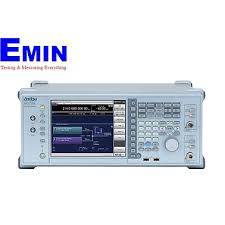
Why signal generator calibration matters
A signal generator is often the starting point of a test setup. If the generated signal is inaccurate, the error can propagate into connected analyzers, receivers, power meters, or system-level measurements. Calibration helps evaluate key output characteristics so users can work with better confidence when performing alignment, verification, troubleshooting, or compliance-related checks.
In practical terms, calibration supports measurement traceability, improves repeatability, and helps reduce the risk of accepting false test results. This is particularly relevant in RF, microwave, telecom, and TV-related environments where the quality of the source directly affects interpretation of system behavior.
What this service is typically used for
Signal generator calibration is commonly requested by teams that rely on known source conditions for test and validation. Typical use cases include checking instruments used in repair benches, confirming performance in preventive maintenance schedules, and maintaining quality systems in production or incoming inspection processes.
It is also relevant when a generator is part of a broader RF test workflow. For example, if your setup also includes a vector network analyzer calibration service, calibrating the signal source helps keep the full measurement chain more coherent. In similar environments, users may also review related support for RF and microwave power meter calibration when source level accuracy is critical.
What to consider when selecting a calibration service
Not every application places the same demands on a signal generator. Some users focus primarily on frequency accuracy and output level confidence, while others depend on the instrument for more advanced RF testing where modulation behavior and signal stability are equally important. The right service scope depends on how the generator is used in your actual test process.
It is useful to review the instrument type, operating range, workload, and the role it plays in your setup. A generator used as a reference source in a calibration or validation chain may justify more rigorous service attention than one used only for basic signal injection. For organizations managing multiple RF instruments, it can also make sense to align calibration planning with adjacent services such as RF voltmeter calibration to maintain consistency across source and measurement devices.
Coverage across major instrument brands
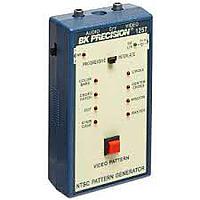
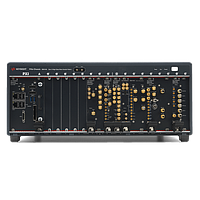
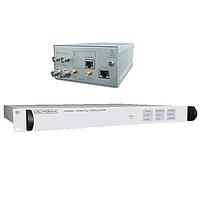
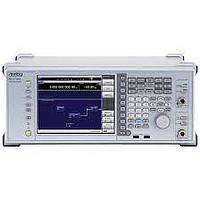
This category includes service options for widely used manufacturers in RF and telecom test environments. Examples include ANRITSU, KEYSIGHT, BKPRECISION, and Promax. Mentioning these brands is useful not because calibration principles differ completely by vendor, but because service planning often follows the installed base already present in a lab or field support organization.
Representative listings in this category include Anritsu Signal Generator Calibration Service, KEYSIGHT Signal Generator Calibration Service, BKPRECISION Signal Generator Calibration Service, and Promax Signal Generator Calibration Service. These examples help users quickly identify relevant service paths for the brands they already operate, without turning the page into a simple product list.
How calibration fits into a broader RF test ecosystem
Signal generators rarely work in isolation. In many benches, they interact with analyzers, power measurement tools, and specialized wave or telecom test instruments. Looking at calibration from a system perspective often gives a better result than treating each device separately without considering the broader application.
For facilities that maintain several types of telecom and RF equipment, related categories such as wave test equipment calibration service can be relevant when building a more complete maintenance plan. This approach helps reduce uncertainty between interconnected instruments and supports smoother troubleshooting when results do not align with expectations.
Who benefits from this category
This service is relevant for calibration laboratories, OEM and EMS operations, broadcast and telecom maintenance teams, educational labs, and industrial R&D groups. Any environment that depends on a known RF source can benefit from regular calibration intervals and documented verification of instrument performance.
It is especially useful where downtime control, audit readiness, or repeatable test quality matter. In B2B settings, calibration is not only about the instrument itself; it also supports internal quality procedures, service documentation, and better control over long-term equipment reliability.
Choosing the right service path for your signal generator
When reviewing available service options, start with the manufacturer and the role of the unit in your application. A generator used for routine bench work may require a different service priority from one used in acceptance testing, RF alignment, or precision validation tasks. Matching the calibration approach to the real workload helps avoid both under-servicing and unnecessary scope.
If you manage mixed-brand inventories, it is often practical to organize calibration by equipment family and application criticality. Services for ANRITSU, KEYSIGHT, BKPRECISION, and Promax can be considered within the same maintenance strategy, while still respecting the operational context of each instrument group.
Final considerations
A dependable source signal is fundamental to dependable RF measurements. By using a structured calibration service for signal generators, organizations can support better test consistency, clearer maintenance planning, and improved confidence in the results produced by connected instruments and systems.
If your workflow includes multiple RF or telecom test devices, it is worth evaluating calibration needs as part of a wider instrument ecosystem rather than as a single isolated service. That usually leads to a more practical maintenance plan and more reliable day-to-day measurement performance.
Get exclusive volume discounts, bulk pricing updates, and new product alerts delivered directly to your inbox.
By subscribing, you agree to our Terms of Service and Privacy Policy.
Direct access to our certified experts