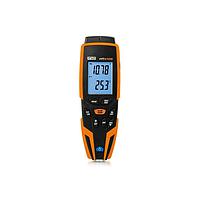
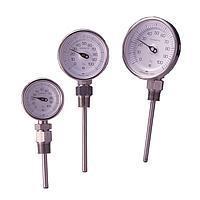
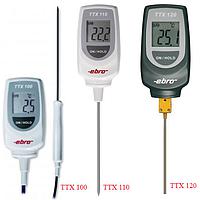
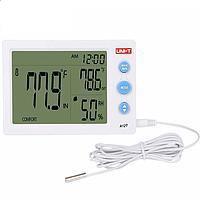
Thermometers | Thermal Cameras Calibration Service
Accurate temperature measurement is critical in maintenance, inspection, process control, utilities, HVAC, laboratories, and quality assurance. When infrared thermometers or thermal cameras begin to drift, even small deviations can affect troubleshooting results, reporting confidence, and preventive maintenance decisions. This is where Thermometers | Thermal Cameras Calibration Service becomes an essential part of instrument management.
This category covers calibration support for non-contact temperature instruments and related thermal measurement devices used across industrial and technical environments. It is intended for businesses that need reliable temperature readings, better traceability, and a structured way to keep field and bench instruments operating within expected performance.
Why calibration matters for thermal measurement equipment
Temperature instruments are often used to make practical decisions quickly: detecting overheating electrical connections, checking rotating equipment, monitoring panels, validating thermal processes, or screening HVAC performance. In these applications, measurement confidence matters as much as the instrument itself. Regular calibration helps verify that the device response remains aligned with a known reference.
For infrared thermometers and thermal imaging cameras, performance can be influenced by sensor aging, handling conditions, repeated field use, and environmental exposure. Calibration helps reduce uncertainty in routine inspections, improves consistency between instruments, and supports maintenance records required by many organizations.
Scope of this calibration service category
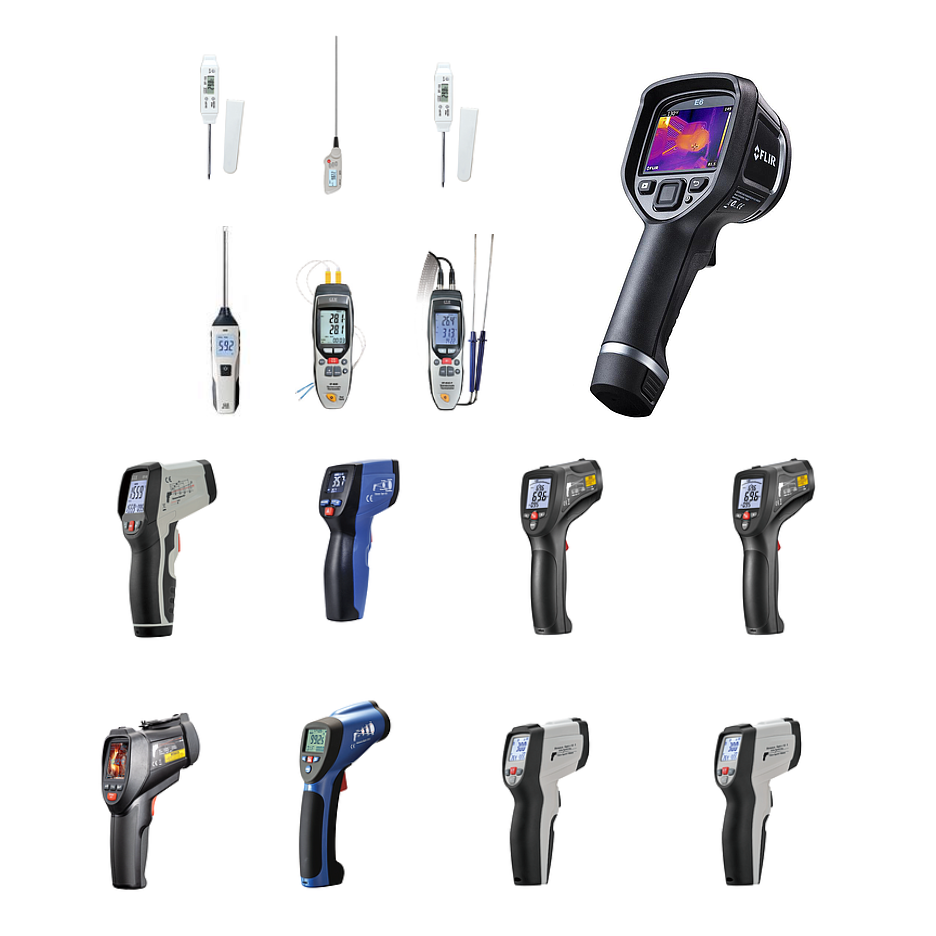
This category is built around thermal and temperature-related instruments that rely on non-contact measurement or thermal visualization. In practice, the scope typically includes infrared thermometers, thermal imaging cameras, and related temperature measurement devices within the broader thermal calibration workflow.
Depending on the instrument type and application, users may also need support for adjacent calibration needs. For example, facilities managing mixed test equipment may also review electrical and electronic meter calibration services or video borescope and camera calibration services when thermal inspection is part of a wider maintenance program.
Common instruments covered in this category
The product mix in this category reflects practical calibration demand for widely used brands and device families. Examples include the FLIR Thermal Imaging Camera Calibration Service, Fluke Thermal Imaging Camera Calibration Service, and Keysight Thermal Imaging Camera Calibration Service for organizations using thermal cameras in diagnostics, facility inspection, or condition monitoring.
It also includes services for handheld spot measurement tools such as the Fluke InfraRed Thermometer Calibration Service, Bosch InfraRed Thermometer Calibration Service, Hioki InfraRed Thermometer Calibration Service, and Omron InfraRed Thermometer Calibration Service. These examples show that calibration demand covers both higher-detail imaging systems and compact non-contact thermometers used in everyday field work.
Where multi-brand fleets are common, support across manufacturers such as FLUKE, FLIR, Chauvin Arnoux, HIOKI, OMRON, KEYSIGHT, BOSCH, and Advanced Energy can help simplify instrument upkeep without forcing users into a one-size-fits-all approach.
How thermal camera and infrared thermometer calibration differ
Infrared thermometer calibration is generally focused on verifying the accuracy of non-contact point temperature measurement. These instruments are often selected for speed, portability, and simple operation in field service, utilities, and building maintenance. Calibration helps confirm that quick readings remain dependable for routine checks and trending.
Thermal imaging camera calibration involves a more application-driven context because the instrument is used to visualize temperature distribution across a surface or scene. In addition to temperature indication, users often care about image interpretation, repeatability, and consistency in inspection reports. For this reason, calibration is especially valuable where thermal images support maintenance decisions, audits, or documented fault analysis.
What to consider when selecting a calibration service
The right calibration path depends on instrument type, usage frequency, and how the readings are used in your operation. A handheld infrared thermometer used for quick maintenance checks may require a different service priority than a thermal camera used for formal inspection routines or customer-facing reporting.
It is useful to review several points before ordering service:
- Whether the device is an infrared thermometer or a thermal imaging camera
- How often the instrument is used and in what environment
- Whether the results are used for internal maintenance, compliance, or documented quality records
- The importance of traceability and interval planning within your equipment management process
Organizations that run a broader calibration program may also benefit from coordinating related services such as mechanical measuring instruments calibration or oscilloscope and logic analyzer calibration to streamline service cycles across departments.
Typical use cases across industry
Thermal and temperature instruments are used in a wide range of B2B settings. Maintenance teams use them to identify abnormal heating in switchboards, motors, bearings, and connections. Building and HVAC specialists rely on them for air distribution checks, insulation evaluation, and equipment condition assessment. Production and quality teams may use them to monitor process consistency or identify thermal anomalies during inspection.
Because these tools often support fast operational decisions, calibration helps maintain trust in the instrument over time. A calibrated device is especially important when readings are compared between technicians, between service intervals, or across multiple sites using similar procedures.
Supported brands and service examples in this category
This category includes calibration service examples for brands commonly found in industrial and technical workplaces. Representative entries include Advanced Energy Thermal Imaging Camera Calibration Service, Chauvin Arnoux Thermal Imaging Camera Calibration Service, FLIR InfraRed Thermometer Calibration Service, and Fluke InfraRed Thermometer Calibration Service.
These examples are useful not just as individual service listings, but also as a guide to the kinds of instruments typically maintained under this category. If your organization manages equipment from manufacturers such as Advanced Energy, Chauvin Arnoux, FLIR, FLUKE, HIOKI, OMRON, KEYSIGHT, or BOSCH, this section helps narrow the search toward the appropriate calibration workflow for each device family.
Choosing the right service path for your instrument fleet
For many companies, the main goal is not simply to recalibrate a single device, but to maintain a dependable fleet of temperature measurement instruments over time. Grouping service by instrument function, application criticality, and brand can make planning easier and reduce interruptions to maintenance or inspection schedules.
If your work depends on reliable thermal readings, this category provides a practical starting point for identifying calibration services for infrared thermometers and thermal imaging cameras. Reviewing the instrument type, application context, and required level of documentation will help you choose the most suitable service and keep temperature measurements consistent across your operation.
Get exclusive volume discounts, bulk pricing updates, and new product alerts delivered directly to your inbox.
By subscribing, you agree to our Terms of Service and Privacy Policy.
Direct access to our certified experts