
IR Windows Calibration Service
When maintenance teams rely on infrared inspection to evaluate energized panels, the viewing window becomes part of the measurement path. If that window is damaged, contaminated, or performing outside expected transmission characteristics, thermal readings can become harder to interpret and condition-based decisions may lose confidence. IR Windows Calibration Service supports organizations that need more dependable thermal access points for inspection and preventive maintenance programs.
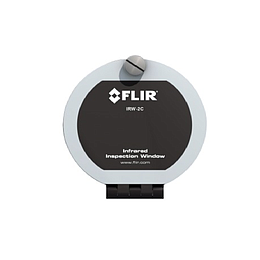
Why IR window performance matters in thermal inspection
IR windows are installed so inspectors can capture temperature information from enclosed equipment without opening the panel during routine thermography. In practice, this improves inspection workflow and helps support safer access to assets such as switchgear, motor control centers, and other electrical enclosures. However, the usefulness of the window depends on its physical condition, optical properties, and suitability for the thermal application.
A calibration or verification process helps determine whether the window still supports reliable infrared measurement conditions. This is especially important in environments where windows may be exposed to dust, vibration, age-related degradation, or maintenance handling. For teams using thermal data to prioritize repairs, a controlled calibration service helps reduce uncertainty in the inspection chain.
What an IR windows calibration service helps you assess
An IR window is not a simple mechanical opening; it is a component that can influence how infrared energy reaches the thermal instrument. Service evaluation may focus on factors related to measurement consistency, condition of the installed window, and whether the window remains appropriate for the intended inspection task. The goal is not only to check the hardware, but to support the quality of the thermal data collected through it.
In many facilities, this matters because the thermal camera reading is only one part of the overall system. The enclosure, the inspection angle, the target surface, ambient influences, and the window itself can all affect the final image and interpretation. By addressing the window as a controlled element, maintenance teams can build a more robust predictive maintenance workflow.
Common applications for calibrated IR windows
IR windows are widely associated with electrical maintenance, especially where technicians perform routine thermographic surveys on energized assets. Typical use cases include monitoring for abnormal heating on breakers, bus connections, cable terminations, contact points, and other components that may indicate rising resistance or developing faults. In these environments, dependable optical access is important for trend-based inspections.
Facilities with formal reliability programs often use calibrated or verified inspection paths to improve repeatability between inspection rounds. This is useful for plants that compare thermal patterns over time, standardize routes across multiple buildings, or work under internal quality procedures. When inspection consistency is a priority, IR window service can be an important supporting element rather than an afterthought.
When to consider calibration or service review
Not every inspection issue starts with the camera. If thermal readings appear inconsistent, if image quality has changed compared with previous surveys, or if a window shows signs of wear, it may be time to review the condition of the access point itself. This can also be relevant after replacement work, enclosure modifications, or long operating periods in harsh industrial environments.
Organizations may also schedule service as part of broader compliance, maintenance, or quality control intervals. Where the thermal inspection process is documented, periodic attention to the window can help align maintenance practice with the expected level of measurement reliability. If the measurement instrument itself also needs traceability, related support may be relevant through thermal imaging camera calibration service.
How IR window calibration fits into the wider temperature measurement chain
Thermal inspection results are shaped by more than one device. The camera, the viewing interface, the target condition, and the inspection method all contribute to the final interpretation. For that reason, measurement reliability is often best improved by looking at the full process rather than treating each component in isolation.
In some maintenance programs, teams also manage handheld thermometers and process temperature instruments alongside thermography tools. Depending on the application, it may be useful to coordinate service planning with infrared thermometer calibration service or temperature meter and controller calibration service so that temperature-related assets are maintained under a more consistent program.
Choosing the right service scope for your facility
The right service approach depends on how IR windows are used in your plant. A facility with a few inspection points may simply need periodic verification and condition review, while larger sites with established thermography routes may need a more structured calibration plan across many panels. The operating environment, inspection frequency, and criticality of the monitored assets should all influence service scheduling.
It is also useful to consider whether the objective is basic functional confidence, improved repeatability, or support for a documented reliability program. These goals are related, but not identical. Clarifying the purpose of the service helps maintenance and engineering teams make better decisions about inspection intervals, instrument pairing, and follow-up actions when abnormal readings appear.
Related calibration services in thermal maintenance programs
IR windows are often part of a broader ecosystem of thermal and temperature measurement equipment. Facilities that use both direct-contact and non-contact methods may benefit from reviewing adjacent services to keep their inspection capability aligned with actual operating needs. For example, sites that validate probes or surface measurement tools may also need contact temperature meter calibration service as part of the same maintenance planning cycle.
Looking at related services together can make service intervals easier to manage and may help reduce blind spots in the measurement process. It also gives maintenance teams a clearer view of where uncertainty can enter the workflow, from the instrument itself to the optical access point and the final temperature interpretation.
Support more reliable thermography results
For organizations that depend on thermal inspections to detect developing faults, the condition of the inspection window should not be overlooked. Calibration service for IR windows helps reinforce confidence in the access point used to observe energized equipment, supporting more consistent data collection and more informed maintenance decisions.
Whether you are refining an existing predictive maintenance program or reviewing the integrity of thermal inspection points across a facility, a structured approach to thermal inspection components can improve repeatability and reduce uncertainty. Selecting the right service scope starts with understanding how the IR window is used, what level of reliability is required, and how it fits into your wider temperature measurement strategy.
Get exclusive volume discounts, bulk pricing updates, and new product alerts delivered directly to your inbox.
By subscribing, you agree to our Terms of Service and Privacy Policy.
Direct access to our certified experts