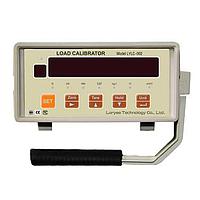
Force, load cell Calibrator Inspection Service
Reliable force measurement depends on more than the sensor alone. In testing labs, manufacturing lines, and quality control environments, the accuracy of a force or load cell calibrator directly affects how confidently operators can verify instruments, validate processes, and document traceable results. That is why periodic inspection service is an important part of maintaining stable measurement performance over time.
Force, load cell Calibrator Inspection Service is intended for organizations that need to assess the operating condition, measurement integrity, and overall suitability of their force calibration equipment. Whether the calibrator is used for routine verification, production support, or laboratory work, regular inspection helps identify drift, mechanical wear, connection issues, and other factors that may reduce confidence in measurement results.

Why inspection matters for force and load calibration equipment
Force calibration systems work in applications where small deviations can influence product quality, compliance records, or test repeatability. Over time, repeated loading cycles, environmental exposure, handling, and transport can affect a calibrator’s behavior. An inspection service helps verify that the equipment remains in proper working condition and continues to support dependable calibration tasks.
For companies that manage load cells, force gauges, or material testing setups, inspection is also a practical way to reduce unexpected downtime. Instead of waiting for a failure or a questionable result, service teams can review the calibrator’s condition earlier and detect issues before they impact production or validation work.
Scope of a typical inspection service
A professional inspection process for force and load cell calibrators generally focuses on both mechanical condition and measurement-related performance. This may include checking the physical structure, loading mechanism, connections, indicators, interfaces, and overall operational stability of the equipment. The goal is not simply to confirm that the unit powers on, but to assess whether it is functioning as expected in real service conditions.
Inspection may also help determine whether the unit is suitable for continued use, requires adjustment, or should move to a more detailed calibration or repair workflow. In environments that use multiple instrument types, it is often useful to align inspection planning with related services such as process signal calibrator inspection or electrical calibrator inspection to keep maintenance schedules consistent.
Common applications and users
This category is relevant to users working with force measurement in industrial and laboratory settings. Typical applications include verification of load cells used in weighing systems, evaluation of force measurement chains in test benches, and support for quality procedures where reference force generation or comparison is required.
Inspection services are especially useful for organizations that depend on repeatable force values across batches, shifts, or production sites. In these cases, the condition of the calibrator influences not only one instrument, but the wider measurement system built around it. A well-maintained calibrator helps support better consistency in downstream testing and acceptance decisions.
Example service solution in this category
One representative option is the Laryee Load Calibration Machine Inspection Service. This type of service is relevant when the equipment is used as a reference platform for load-related calibration work and needs periodic technical review to confirm operational readiness.
For buyers already standardizing around Laryee equipment, choosing a service aligned with the original manufacturer ecosystem can simplify model matching and service coordination. It can also help teams maintain a clearer service history for internal asset management and future maintenance planning.
How to choose the right inspection service
Selection usually starts with the role of the equipment in your workflow. A calibrator used in a controlled laboratory may need a different service cadence than one installed in a production environment with frequent mechanical loading. Usage frequency, maximum applied force, required accuracy, and documentation needs should all be considered when deciding how often inspection should be performed.
It is also important to review the type of calibrator involved and the wider measurement chain around it. In mixed calibration environments, companies often group service work by application area. For example, a facility that handles force and temperature verification may also plan around dry block and bath calibrator inspection, while pressure-related operations may need separate support through pressure comparator inspection.
Signs that a force or load cell calibrator should be inspected
Several practical indicators suggest that inspection should not be delayed. These include inconsistent readings, unstable outputs, visible wear in the loading mechanism, unusual response during operation, communication problems, or uncertainty after relocation and transportation. Even when no obvious fault is present, periodic review is still advisable for equipment that plays a critical role in verification work.
Another common trigger is a change in process requirements. If tolerance limits become tighter, quality systems are updated, or the calibrator is assigned to a new application, inspection can help confirm whether the unit still matches current operational needs. This is particularly important when measurement confidence supports audit trails or customer acceptance criteria.
Supporting long-term measurement confidence
Inspection service should be viewed as part of a broader measurement assurance strategy. In force calibration, reliable performance depends on the combined condition of the calibrator, fixtures, sensors, cables, indicators, and operating procedures. A structured inspection program helps organizations monitor this chain more effectively and make informed decisions about maintenance, continued use, or further service.
When managed properly, inspection contributes to more predictable equipment availability, better traceability practices, and fewer surprises during validation or quality review. For businesses that rely on calibrated force measurement, that kind of visibility is often just as important as the instrument specification itself.
Conclusion
If your operation depends on accurate force generation or verification, regular inspection is a practical step toward keeping calibration equipment dependable. A well-timed review can reveal hidden issues, support planning for maintenance, and help protect the quality of measurements used throughout testing and production.
For organizations evaluating service options in this area, this category brings together solutions focused on force and load cell calibrator inspection, including manufacturer-related support where relevant. Choosing the right service approach can help maintain stable calibration performance and improve confidence in everyday measurement work.
Get exclusive volume discounts, bulk pricing updates, and new product alerts delivered directly to your inbox.
By subscribing, you agree to our Terms of Service and Privacy Policy.
Direct access to our certified experts