Mechanical Calibrator Inspection Service
Accurate mechanical measurement depends on calibration equipment that remains stable, repeatable, and traceable over time. When a calibrator is used to verify dimensional or mechanical parameters in production, maintenance, or quality control, periodic inspection helps confirm that the instrument still performs as expected and supports dependable results.
Mechanical Calibrator Inspection Service is intended for organizations that need a practical way to assess the condition and performance of mechanical calibration equipment. This is especially relevant in environments where inspection records, measurement consistency, and equipment readiness directly affect product quality, maintenance planning, or audit preparation.
Why inspection matters for mechanical calibration equipment
Mechanical calibrators are often used as reference tools within broader measurement workflows. Over time, normal use, transport, environmental exposure, and wear can influence alignment, contact surfaces, mechanical movement, or overall repeatability. An inspection service helps identify these issues before they affect downstream measurement tasks.
For B2B users, inspection is not only about checking whether a device still operates. It also supports measurement reliability, maintenance decisions, and documentation practices that are important in regulated production, manufacturing QA, and service laboratories. A structured inspection process can reduce uncertainty around equipment condition and help teams plan the next step, whether that is continued use, maintenance, or a broader calibration strategy.
Typical use cases in industrial and quality environments
This category is relevant for companies that rely on mechanical measurement standards or calibration-related equipment in routine operations. That can include factories with in-house inspection processes, maintenance departments responsible for measurement assets, and quality teams that need confidence in the tools used to verify mechanical parameters.
Inspection services in this area are commonly considered when equipment has been in service for an extended period, has been moved between sites, has experienced heavy usage, or is being reviewed as part of scheduled maintenance. They are also useful before an internal audit or when measurement discrepancies suggest that a reference instrument should be examined more closely.
What to consider when selecting a service
Choosing the right service starts with understanding the role of the device in your workflow. If the equipment functions as a reference point for other instruments, the inspection process should support clear evaluation of its mechanical condition, operational integrity, and suitability for continued use. It is also useful to consider service documentation requirements, turnaround expectations, and how the inspection fits your asset management process.
Some users manage multiple calibration technologies across one facility. In that case, it may be helpful to review related services such as electrical calibrator inspection or process signal calibrator inspection to align service planning across different measurement disciplines.
Representative service options in this category
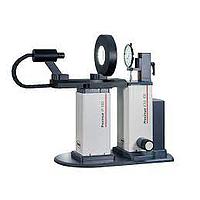
This category includes inspection solutions associated with established measurement brands used in industrial environments. For example, the Mahr range includes the Mahr Mechanical Calibration Equipment Inspection Service, which is relevant for users working with precision measurement and metrology-related equipment from that manufacturer.
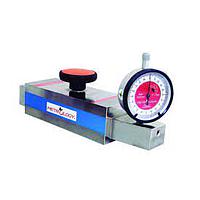
Another example is the METROLOGY Mechanical Calibration Equipment Inspection Service, intended for organizations that need support around equipment condition assessment within a metrology workflow. These service entries help buyers identify options by manufacturer and match the inspection requirement with the equipment already installed on site.
How mechanical inspection fits into a broader calibration program
Mechanical calibrator inspection is often one part of a larger equipment assurance strategy. Many facilities manage mixed fleets that include mechanical, electrical, temperature, pressure, and rotational calibration tools. Reviewing inspection needs by device type can make scheduling easier and reduce the risk of gaps in maintenance or verification coverage.
Where temperature or pressure-related equipment is also in use, related categories such as dry block and bath calibrator inspection or pressure comparator inspection may be relevant. Looking at these services together can help standardize service intervals and simplify internal equipment oversight.
Benefits for maintenance, quality, and procurement teams
For maintenance teams, inspection helps determine whether a mechanical calibrator remains ready for service or should be reviewed further. For quality teams, it supports confidence in the reference equipment used to check instruments and processes. For procurement and asset managers, it provides a clearer basis for service planning, equipment lifecycle decisions, and vendor coordination.
A well-matched inspection service can also support more efficient communication between departments. Instead of reacting only after a measurement issue appears, teams can work from a scheduled approach that improves visibility into equipment status and helps maintain continuity in production or testing operations.
Choosing a manufacturer-aligned service approach
When equipment is associated with a particular brand, selecting a manufacturer-aligned or brand-specific service entry can make the sourcing process more straightforward. It helps narrow the service scope and gives buyers a clearer path when searching by installed equipment base, brand preference, or internal records.
In this category, brands such as Mahr and METROLOGY provide useful reference points for navigating service options. The goal is not simply to find a matching name, but to choose a service pathway that supports the real operational need: confirming the condition and ongoing usability of mechanical calibration equipment in a professional measurement environment.
Final thoughts
Keeping mechanical calibration equipment under regular review is an important part of sustaining dependable measurement processes. Whether the priority is routine asset control, quality assurance, or preparation for maintenance and audit activities, this category helps users find relevant service options for evaluating equipment condition in a structured way.
If your operation depends on consistent mechanical measurement performance, a mechanical calibrator inspection can be a practical step toward better equipment visibility and more confident decision-making across the broader calibration ecosystem.
Get exclusive volume discounts, bulk pricing updates, and new product alerts delivered directly to your inbox.
By subscribing, you agree to our Terms of Service and Privacy Policy.
Direct access to our certified experts