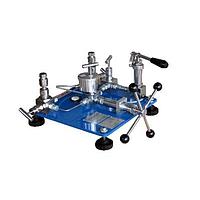
Pressure Calibration Pump Inspection Service
Reliable pressure generation is critical when calibrating transmitters, gauges, switches, and other process instruments. When a hand pump or pressure source starts to drift, leak, or become unstable, the quality of the entire calibration workflow can be affected. A professional Pressure Calibration Pump Inspection Service helps verify the condition of the pump, identify wear or performance issues, and support more consistent pressure testing in maintenance, laboratory, and field environments.
This service category is relevant for organizations that depend on portable or bench pressure calibration setups and need confidence in their inspection routines. It is especially useful when pumps are used frequently, exposed to demanding site conditions, or integrated into broader pressure calibration processes where repeatability matters.
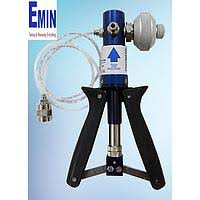
Why pressure calibration pump inspection matters
A pressure calibration pump is more than a simple pressure source. In practice, it plays a direct role in establishing test pressure, holding stability, and enabling technicians to compare instrument response against a reference. If the pump has internal leakage, sealing problems, contamination, or mechanical wear, the user may experience pressure loss, erratic adjustments, or difficulty reaching the required test point.
Regular inspection helps detect these issues before they affect instrument verification work. For maintenance teams and calibration providers, this can reduce unnecessary troubleshooting time and help maintain confidence in the overall calibration chain. In applications where pressure verification is part of documented quality procedures, inspection also supports better control of service intervals and equipment condition.
What is typically evaluated during inspection
The exact workflow may vary by equipment design, but a pump inspection service generally focuses on the condition and function of the pressure generation mechanism. This can include checks related to pressure build-up behavior, pressure holding ability, valve operation, sealing integrity, mechanical responsiveness, and general physical condition.
For users working with complete calibration setups, the pump should be considered as part of a broader system that may also include indicators, reference instruments, hoses, fittings, and comparison devices. If pressure generation appears normal but results remain inconsistent, it may also be worth reviewing related services such as pressure comparator inspection to assess the rest of the pressure verification arrangement.
Suitable for different brands and service needs
This category includes inspection support for widely used manufacturers in the pressure calibration field, including FLUKE, Additel, Nagman, PRESYS, and R&D Instruments. Brand-specific familiarity can be important because pump construction, adjustment feel, and sealing arrangements may differ from one design to another.
Representative service listings in this category include the FLUKE Pressure Calibration Pump Inspection Service, Additel Pressure Calibration Pump Inspection Service, Nagman Pressure Calibration Pump Inspection Service, PRESYS Pressure Calibration Pump Inspection Service, and R&D Instrument Services Pressure Calibration Pump Inspection Service. These examples help buyers identify service availability by manufacturer while keeping the focus on the practical goal: restoring confidence in pump performance and inspection readiness.
Common situations that indicate inspection is needed
Inspection is often requested when users notice that a pump no longer behaves as expected in daily calibration work. Typical signs include slow pressure decay, difficulty reaching target pressure, sticky adjustment, inconsistent fine control, or unstable readings during hold tests. Even when the connected instrument appears to be the source of the problem, the pump itself is often worth checking first.
Another common trigger is periodic preventive maintenance. Organizations with scheduled metrology or reliability programs may inspect pressure pumps at planned intervals to avoid unplanned downtime. This is especially relevant for teams that also maintain other calibration assets such as process signal calibrators or multifunction test equipment used in the same maintenance workflow.
How to choose the right inspection service
When selecting a service, start with the pump brand and the operational role of the unit. A pump used occasionally for basic gauge checks may have different service priorities than one used every day for field calibration of pressure transmitters. Review whether the inspection need is driven by suspected faults, routine maintenance, or quality system requirements.
It also helps to consider the broader instrument ecosystem around the pump. If a service team works across electrical, pressure, and process loops, coordinating inspection activities can improve efficiency. In those cases, related categories such as electrical calibrator inspection may be relevant for maintaining consistency across multiple calibration tools.
Supporting stable calibration workflows
In many industrial environments, pressure pumps are handled in workshops, production plants, utilities, and process sites where dust, vibration, temperature variation, and frequent transport can affect condition over time. Inspection helps confirm whether the device is still suitable for precise pressure generation and whether service intervention is needed before the next critical job.
This is particularly important where a pump is used as part of troubleshooting or commissioning work. An unstable pressure source can introduce doubt into the test process, making it harder to determine whether the issue lies with the pump, the reference, or the instrument under test. A structured inspection reduces that uncertainty and supports more efficient diagnostics.
When service coordination across calibrators makes sense
Many users do not rely on a single calibration device. A site may use pressure pumps alongside temperature and rotational calibration equipment depending on the application. If multiple instruments are due for condition checks, combining service planning can simplify asset management and reduce disruption to the maintenance schedule.
For example, organizations that maintain broader test benches may also review categories such as dry block and bath calibrator inspection where temperature verification tools are part of the same technical support program. This kind of coordinated approach is often more practical than treating each device in isolation.
Practical value for maintenance, metrology, and service teams
A well-timed inspection can help extend usable equipment life, reduce repeated test failures, and improve day-to-day confidence in field and bench calibration tasks. For service organizations, it also supports more dependable job execution when pressure generation must be stable and controllable across multiple test points.
Whether the requirement is linked to routine upkeep, suspected wear, or troubleshooting of a pressure calibration setup, this category brings together inspection options for established brands and common service scenarios. Choosing the right inspection service for a pressure pump helps protect the quality of downstream calibration work and supports a more dependable pressure testing process overall.
Get exclusive volume discounts, bulk pricing updates, and new product alerts delivered directly to your inbox.
By subscribing, you agree to our Terms of Service and Privacy Policy.
Direct access to our certified experts