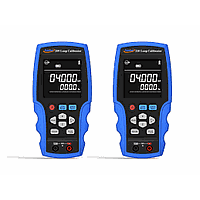
Process Signal Calibrator Inspection Service
Reliable loop testing and signal simulation are essential in instrumentation, maintenance, and plant commissioning. When a calibrator is used to source or measure signals such as mA, V, or other common process values, its accuracy directly affects troubleshooting results, transmitter checks, and control loop performance. That is why a dedicated Process Signal Calibrator Inspection Service is an important part of ongoing instrument quality control.
This service category is intended for companies that need to verify the condition and performance of process signal calibrators used in industrial environments. It supports maintenance teams, calibration labs, utilities, system integrators, and manufacturers that depend on dependable signal generation and measurement during setup, verification, and field service.
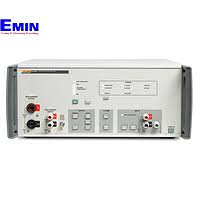
Why inspection matters for process signal calibrators
Process signal calibrators are frequently used in demanding applications, from commissioning field transmitters to checking PLC and DCS input loops. Over time, regular handling, transport, environmental exposure, and repeated connection cycles can affect performance, stability, and user confidence. An inspection service helps confirm whether the instrument remains suitable for the tasks it is expected to perform.
For maintenance planning, inspection also reduces the risk of working with an instrument that may introduce hidden error into loop verification. In practical terms, this means better traceability in troubleshooting, more reliable process measurements, and fewer avoidable delays during shutdowns or startup activities.
What is typically evaluated during the service
A process signal calibrator is generally expected to source, simulate, and measure electrical process signals used in industrial automation. Inspection typically focuses on the overall condition of the instrument, its operational behavior, and whether its signal handling remains consistent with normal service expectations. This may include functional checks related to display operation, key response, terminals, connection integrity, and core measurement or sourcing performance.
Because these instruments are often used as reference tools in the field, inspection is not only about whether the unit powers on. It is about whether the calibrator can still support dependable work in loop checks, instrumentation maintenance, and process validation. If your broader requirement also includes other device types, you may also review electrical calibrator inspection services for related test equipment.
Common use cases in industrial environments
This service is relevant wherever analog process signals are part of daily operations. Typical environments include factories, water treatment systems, energy facilities, building automation projects, OEM production, and field service organizations. In these settings, technicians often rely on calibrators to validate transmitters, indicators, controllers, and signal paths before making adjustment decisions.
Inspection is also useful when a unit has been stored for a long period, transported between sites, or used intensively across multiple projects. A verified instrument helps teams work more efficiently, especially when they need confidence in current loop testing, signal simulation, and instrument response checks under real maintenance conditions.
Supported brands and service examples
This category covers inspection service options for widely used brands in process instrumentation and portable calibration work. Common examples include equipment from FLUKE, HIOKI, YOKOGAWA, Additel, EXTECH, Chauvin Arnoux, HT, PCE, IET LABS, and KDS. The goal is not simply to list brand names, but to provide a practical service path for organizations managing mixed fleets of field calibrators.
Representative service entries in this category include Fluke Process Signal Calibrator Inspection Service, HIOKI Process Signal Calibrator Inspection Service, Yokogawa Process Signal Calibrator Inspection Service, Additel Process Signal Calibrator Inspection Service, and Extech Process Signal Calibrator Inspection Service. There are also service options for Chauvin Arnoux, HT Instruments, PCE, KDS, and IET LAB products, helping users find an inspection route that matches the instrument brand already used in their operation.
How to choose the right inspection service
The best fit usually depends on the calibrator brand, the instrument’s role in your workflow, and the level of confidence required for your maintenance or quality process. If the calibrator is used as a routine field tool for transmitter checks and loop simulation, inspection helps confirm day-to-day usability. If it supports more controlled verification work, the condition and functional consistency of the instrument become even more important.
It is also useful to consider whether your team manages several kinds of calibrators at once. For example, facilities that work across temperature and pressure disciplines may also need dry block and bath calibrator inspection or pressure comparator inspection services as part of a broader instrument maintenance program.
Benefits for maintenance, QA, and asset management
Using an inspection service for calibrators can support several operational goals at once. It helps maintenance teams reduce uncertainty in field diagnostics, supports QA processes that depend on consistent instruments, and gives asset managers better visibility into the condition of portable test equipment. In many organizations, this is especially valuable when multiple technicians share tools across departments or sites.
From an asset lifecycle perspective, regular inspection also helps identify issues before they disrupt work. Instead of discovering a problem during a shutdown or commissioning task, teams can manage tool condition more proactively. This supports better planning, more dependable work execution, and improved control over instrumentation support equipment.
When this service is especially worth considering
There are several situations where inspection becomes particularly relevant. These include unexpected measurement behavior, inconsistent loop test results, physical wear around terminals or controls, prolonged storage, or preparation for upcoming maintenance campaigns. Inspection can also be a practical step after field incidents such as drops, transport stress, or harsh environmental exposure.
It may also be appropriate when organizations are standardizing maintenance practices or documenting the condition of key support instruments. In those cases, a structured inspection service helps create a clearer basis for deciding whether a calibrator should remain in use, be monitored more closely, or move to a different level of service attention.
Find a suitable service for your calibrator fleet
If your technicians depend on portable tools for loop verification and process instrumentation work, a well-chosen process signal calibrator inspection option can help maintain confidence in daily testing. This category brings together service entries for major brands and gives buyers a more focused way to identify inspection support for the instruments already used in the field.
For companies managing broader calibration equipment portfolios, it can also be helpful to review adjacent service categories and align inspection activities across different device types. A consistent approach makes it easier to support reliability, improve maintenance readiness, and keep critical test tools available when they are needed most.
Get exclusive volume discounts, bulk pricing updates, and new product alerts delivered directly to your inbox.
By subscribing, you agree to our Terms of Service and Privacy Policy.
Direct access to our certified experts