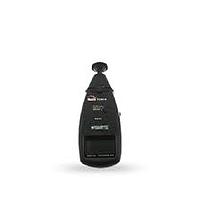
Tachometer Calibrator Inspection Service
Reliable speed measurement depends on more than the tachometer alone. In many maintenance, testing, and quality control workflows, the calibrator used to verify rotational speed must also be checked regularly so that traceability and confidence in the measurement chain are maintained. This is where Tachometer Calibrator Inspection Service becomes important for labs, manufacturers, service teams, and industrial users that work with rotating equipment.
Whether the device is used for routine verification, field testing, or internal quality procedures, periodic inspection helps confirm that a tachometer calibrator remains suitable for its intended task. It also supports better control of measurement risk, especially in applications where machine speed, RPM validation, or instrument performance must be documented clearly.
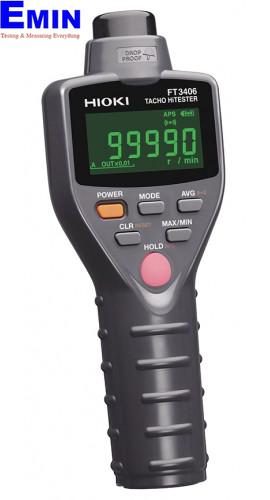
Why tachometer calibrator inspection matters
A tachometer calibrator is typically used to check or simulate reference conditions for tachometer-related measurement tasks. If that calibrator drifts, shows unstable output, or no longer performs within expected conditions, the instruments verified against it may also become questionable. Inspection service helps identify these issues before they affect maintenance decisions, acceptance tests, or production records.
For many organizations, inspection is part of a broader measurement assurance approach. It supports instrument control programs, improves consistency between departments or sites, and reduces uncertainty when speed-related values are used in reporting, troubleshooting, or compliance documentation.
What is typically covered in the service
The exact scope can vary by device and workflow, but tachometer calibrator inspection generally focuses on the operating condition of the unit, its functional response, and whether it remains appropriate for continued use. This may include checking core performance behavior, evaluating stability, and confirming that the equipment can still support reliable tachometer verification tasks.
In practice, users often look for service support when there are signs of abnormal readings, inconsistent verification results, overdue inspection intervals, or a need to maintain internal quality records. For organizations managing several types of calibration assets, this category also fits naturally alongside services such as electrical calibrator inspection and process signal calibrator inspection.
Typical environments that use tachometer calibrator inspection
This service is relevant in settings where rotational speed is an important operating parameter. Examples include maintenance workshops, motor and drive testing, equipment servicing, rotating machinery diagnostics, and quality assurance processes where tachometers are checked against a known reference.
It is also useful for calibration laboratories and technical service providers that manage multiple instrument categories. When tachometer-related devices are only one part of a larger calibration workflow, coordinated inspection planning can improve turnaround and keep support activities aligned with other reference equipment.
Brand-specific service options in this category
The category includes inspection support for recognized brands used in technical measurement environments. Examples include TQCSheen, ZEAL, and Sansel, depending on the equipment in use and the service requirement. Keeping the brand reference aligned with the actual device helps ensure the inspection request is directed appropriately.
Representative listings in this category include the TQCSheen Tachometer Calibrator Inspection Service, ZEAL Tachometer Calibrator Inspection Service, and Sansel Tachometer Calibrator Inspection Service. These examples help users quickly identify matching service entries based on the manufacturer of their calibrator, without turning the page into a long model list.
How to choose the right inspection service
A practical starting point is the equipment brand and the role of the device in your process. If the calibrator is used frequently, supports customer-facing certificates, or is part of a controlled quality system, inspection intervals and service records usually deserve closer attention. It is also helpful to review the instrument’s current condition, previous service history, and whether there have been any recent anomalies in use.
Users comparing service categories should also consider whether they are managing only tachometer-related equipment or a broader portfolio of calibrators. In some cases, related support such as dry block and bath calibrator inspection or pressure comparator inspection may be relevant within the same maintenance planning cycle.
When to arrange an inspection
Several common situations justify scheduling a tachometer calibrator inspection. These include routine preventive maintenance intervals, preparation for audits, inconsistent verification outcomes, suspected drift, or after transportation, storage, or operating events that may have affected the device.
Inspection is also advisable when a calibrator has been inactive for a long period and is being returned to service. In these cases, confirming its condition before using it again can help avoid downstream errors in tachometer checks and reduce rework in the measurement process.
Supporting better control of calibration assets
For B2B users, inspection service is not only about one instrument at a time. It supports a more structured approach to asset reliability, service scheduling, and documentation across the calibration inventory. This is especially valuable where technical teams must coordinate equipment availability, service records, and internal approval workflows.
By keeping tachometer calibrators under regular review, organizations can reduce uncertainty in speed verification tasks and maintain a more dependable measurement system overall. If your work depends on accurate RPM-related checks, choosing a suitable inspection service for the calibrator is a practical step toward more consistent technical results.
Get exclusive volume discounts, bulk pricing updates, and new product alerts delivered directly to your inbox.
By subscribing, you agree to our Terms of Service and Privacy Policy.
Direct access to our certified experts