Torque Calibrator Inspection Service
Reliable torque measurement is essential wherever threaded fasteners, assembly tools, and controlled tightening processes affect product quality or safety. When a torque calibration device is used to verify tools or support traceable quality checks, periodic inspection helps confirm that the instrument remains stable, accurate, and suitable for continued use in demanding industrial environments.
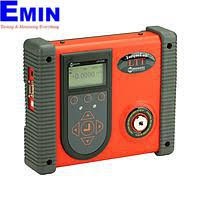
A Torque Calibrator Inspection Service is intended for companies that depend on torque verification as part of manufacturing, maintenance, laboratory work, or quality assurance. This service category supports users who need a practical way to evaluate the condition of torque calibration equipment, identify performance drift, and reduce the risk of accepting incorrect torque values in downstream processes.
Why torque calibrator inspection matters
Torque values play a direct role in joint integrity, repeatability, and compliance with internal quality procedures. If the calibrator itself is no longer performing as expected, every tool check or verification step that depends on it can become less reliable. Inspection is therefore not only about the device in isolation, but also about protecting the accuracy of the wider tightening process.
In many facilities, torque calibration equipment is exposed to regular use, transport, environmental changes, and routine handling. Over time, these factors can influence measurement behavior, mechanical condition, connectors, displays, and overall usability. A structured inspection service helps determine whether the equipment is ready for continued use or whether further calibration, adjustment, or maintenance should be considered.
What is typically reviewed during the service
The exact workflow can vary by instrument type, but torque calibrator inspection generally focuses on the operational and measurement-related condition of the device. This may include checking overall functionality, examining visible wear or damage, assessing response consistency, and reviewing whether the unit appears suitable for ongoing calibration tasks within its intended range and application.
For users managing quality systems, this kind of evaluation is useful because it supports more informed maintenance planning. Rather than waiting for a failed audit, inconsistent tool results, or unexpected process variation, inspection creates a more proactive approach to equipment control. It can also help identify whether a unit should remain in service, be scheduled for further work, or be replaced.
Common applications across industrial environments
Torque calibrators are often used in assembly operations, automotive and transportation maintenance, electronics production, aerospace-related workflows, and general industrial manufacturing. In these settings, repeatable torque verification helps maintain process consistency and reduce rework caused by under-tightening or over-tightening.
Inspection services are especially relevant when torque data supports internal quality documentation or when multiple torque tools are checked against the same reference equipment. If the calibrator is central to a plant’s verification routine, keeping it under regular review is an important part of broader measurement control and asset management.
Example service option in this category
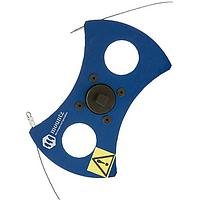
One representative offering in this category is the Mountz Torque Calibrator Inspection Service. This provides a useful reference point for buyers looking for inspection support related to torque calibration equipment used in production or quality environments.
Organizations already working with Mountz tools and calibration solutions may prefer to keep service activities aligned with the same manufacturer ecosystem when appropriate. That can simplify equipment management and help users maintain a consistent approach across torque-related assets.
How to choose the right service for your equipment
Before selecting a service, it is helpful to review the role the calibrator plays in your workflow. Consider how frequently the device is used, whether it supports critical fastening operations, and how its results are documented within your quality system. Equipment used heavily or tied to controlled procedures will usually justify more structured inspection planning.
It is also worth distinguishing between inspection, calibration, and repair. An inspection service is primarily intended to assess condition and performance status, while calibration and repair address different needs. If your site manages multiple reference instruments, you may also benefit from comparing service options across related categories such as electrical calibrator inspection or process signal calibrator inspection to build a more consistent service strategy.
When inspection should be considered
Inspection is commonly scheduled as part of routine preventive quality control, but there are also practical trigger points that should not be ignored. These include unusual measurement behavior, visible damage, inconsistent verification results, long periods of storage, or equipment that has been moved between sites or exposed to rough handling.
Some users also arrange inspection before audits, production ramp-ups, or major maintenance periods. In these situations, verifying the condition of torque calibration equipment can reduce uncertainty and support smoother planning. For operations that manage other calibrator types, a broader service review may also involve areas such as tachometer calibrator inspection where rotational measurement assets are part of the same quality framework.
Supporting traceability and quality assurance
For many B2B users, the value of torque calibrator inspection goes beyond device upkeep. It contributes to a more defensible quality process by helping teams demonstrate that the reference equipment behind torque verification activities is being monitored appropriately. This is particularly useful in environments where measurement confidence influences production acceptance, maintenance records, or customer-facing documentation.
By integrating inspection into an equipment lifecycle plan, companies can reduce avoidable downtime and improve confidence in torque-related checks. That approach is often more efficient than reacting only after problems appear in tool performance or fastening results.
Conclusion
Choosing a suitable torque calibrator inspection service is a practical step for maintaining confidence in torque verification processes. Whether the equipment is used in manufacturing, maintenance, or laboratory work, regular inspection helps clarify its condition and supports more reliable decision-making about continued use, further calibration, or service planning.
For organizations that rely on controlled tightening and documented measurement practices, this category provides a focused starting point. Reviewing available service options, equipment brand alignment, and the criticality of the application can help you select the most appropriate inspection path for your operation.
Get exclusive volume discounts, bulk pricing updates, and new product alerts delivered directly to your inbox.
By subscribing, you agree to our Terms of Service and Privacy Policy.
Direct access to our certified experts