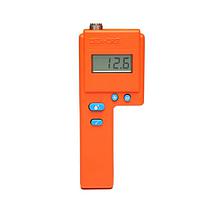
Textile moisture meter Inspection Service
Reliable moisture readings matter at every stage of textile handling, from incoming material checks to drying control and final quality verification. When a handheld or portable meter starts drifting, the result is not just a measurement issue; it can affect process consistency, product quality, and decision-making on the production floor. A professional Textile moisture meter Inspection Service helps confirm that the instrument is operating as expected and remains suitable for routine use.
This category is intended for companies that rely on textile moisture measurement in manufacturing, processing, storage, or quality control environments. Whether the device is used to check fibers, fabrics, rolls, or other textile materials, periodic inspection supports more dependable readings and helps identify wear, damage, or performance deviations before they become a bigger operational problem.
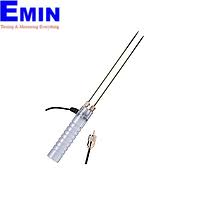
Why inspection matters for textile moisture meters
Textile materials are sensitive to moisture content, and even small variations can influence weight, feel, drying time, storage condition, and downstream processing. In many industrial workflows, a moisture meter is part of routine checks used to maintain stable conditions and reduce waste. If the instrument is not inspected regularly, the risk of inaccurate readings increases over time.
A proper inspection service helps verify the condition of the meter, check core measurement behavior, and identify issues related to sensors, display, controls, connectors, or overall device response. This is especially relevant in environments where instruments are handled frequently, exposed to dust or lint, or used across different textile types and operating conditions.
What this service category is used for
This category focuses on inspection support for textile moisture meters used in professional and industrial settings. It is relevant for maintenance teams, quality departments, laboratories, textile processors, and trading companies that need confidence in the condition of their measuring equipment.
Inspection is typically considered when a device has been in service for a long period, when measurement results appear inconsistent, or as part of preventive equipment management. It can also be useful before internal audits, process reviews, or when comparing field instruments against known reference practices. For organizations using different types of moisture-related equipment, related service options such as soil moisture meter inspection may also help standardize maintenance across multiple applications.
Typical points checked during inspection
Although the exact workflow depends on the instrument and service scope, the general purpose is to assess whether the unit remains fit for practical measurement tasks. This may include visual condition checks, confirmation of basic operation, response behavior, and review of signs that could affect repeatability or handling.
For a textile moisture meter, attention is usually given to the sensing elements, contact surfaces, enclosure condition, switches, display readability, and battery-related performance where applicable. The goal is not to overstate features or replace a full technical report here, but to emphasize that measurement reliability depends on both the sensing function and the overall physical condition of the device.
Example brand and service scope
One representative option in this category is the DELMHORST Textile Moisture Meter Inspection Service. DELMHORST is widely associated with moisture measurement equipment, and this service is relevant for users who want to assess the working condition of compatible textile moisture meters used in day-to-day operations.
If your site workflow includes brand-based navigation, readers looking for related equipment can also explore DELMHORST products and manufacturer information. This can be useful when comparing service needs across installed devices or reviewing the broader ecosystem of moisture measurement tools in use at the facility.
How to decide when inspection is needed
Not every device shows failure in an obvious way. In practice, many companies schedule inspection based on usage frequency, operating environment, and the importance of the reading in their process. A meter used daily in production control will typically deserve more attention than one used only for occasional spot checks.
Common triggers include unstable readings, visible wear, suspected sensor damage, unusual response time, or a mismatch between expected moisture behavior and measured results. Inspection is also a practical step after long storage, accidental impact, or before a critical production run where consistent moisture control is important.
Related inspection services in moisture management
Textile moisture measurement often sits within a wider humidity and material-control workflow. Depending on the facility, users may also maintain dehumidifiers, humidifiers, or other moisture meters for different materials. Looking at these service categories together can help streamline maintenance planning and reduce gaps between environmental control and measurement verification.
For example, if your operation also depends on room humidity control, a humidifier inspection service may be relevant. Where moisture checks extend beyond textiles into raw materials or field applications, categories such as inspection for agricultural moisture meters provide additional context for organizations managing multiple instrument types.
Choosing the right service approach for your operation
The most suitable inspection plan depends on how the instrument is used, how critical the readings are, and whether the device is part of a larger quality system. B2B users often need a service path that supports equipment traceability, maintenance planning, and practical uptime rather than a simple one-time check.
When reviewing options, it helps to consider the instrument model, frequency of use, operating conditions, and any recurring symptoms already observed by the user team. Clear service categorization makes it easier to route equipment correctly and avoid sending a textile meter into a workflow intended for a different type of moisture instrument.
Support better measurement confidence in textile applications
Moisture measurement in textiles is closely tied to product handling, process stability, and quality assurance. An inspection service helps users confirm that their equipment remains in appropriate working condition and highlights potential issues before they disrupt routine measurement tasks.
For companies that depend on dependable field or bench-level moisture checks, this category provides a focused path for evaluating textile meters within a broader industrial maintenance program. If you are maintaining multiple moisture-related devices across your operation, selecting the right inspection category is a practical first step toward more stable and trustworthy measurement results.
Get exclusive volume discounts, bulk pricing updates, and new product alerts delivered directly to your inbox.
By subscribing, you agree to our Terms of Service and Privacy Policy.
Direct access to our certified experts