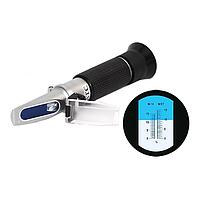
Alcohol Meter Inspection Service
Reliable alcohol measurement depends on more than the instrument alone. In production control, laboratory work, beverage analysis, and field testing, regular inspection helps confirm that readings remain consistent, repeatable, and suitable for day-to-day use. This is especially important for alcohol refractometers and alcohol testers that are exposed to frequent handling, sample variation, and changing operating conditions.
Alcohol Meter Inspection Service supports users who need a practical way to assess instrument condition, measurement stability, and overall performance. Whether the device is used for liquid concentration checks or alcohol screening applications, periodic inspection can help reduce uncertainty before it turns into process errors, product inconsistency, or unreliable test results.
Why inspection matters for alcohol measuring instruments
Alcohol meters are often used in environments where measurement accuracy influences product quality, workflow decisions, or compliance procedures. Even when an instrument appears to be working normally, wear, contamination, optical drift, sensor aging, or handling impact can gradually affect its response. Inspection is therefore a sensible preventive step rather than something to consider only after a clear failure appears.
For refractometer-based devices, performance can be influenced by prism condition, sample handling, cleanliness, and reading stability. For handheld alcohol testers, the condition of the sensing element, response behavior, and repeatability are equally important. A structured inspection process helps identify whether the instrument still performs within an acceptable operating condition and whether further calibration, adjustment, or service may be needed.
Scope of service for different alcohol meter types
This category covers inspection services for both alcohol refractometers and alcohol testers. Although these instruments serve different purposes, they share the same maintenance objective: dependable measurement performance in real use. Refractometers are commonly associated with liquid analysis, while alcohol testers are often used for breath alcohol screening or portable checking tasks.
Representative services in this category include ATAGO Alcohol Refractometer Inspect, HANNA Alcohol Refractometer Inspection Service, Bellingham Alcohol Refractometer Inspection Service, and KERN Alcohol Refractometer Inspection Service. For tester-type instruments, available examples include Alcofind Alcohol tester Inspection Service, Lifeloc Alcohol tester Inspection Service, Alcovisor Alcohol tester Inspection Service, Sentech Alcohol tester Inspection Service, and FIT Alcohol tester Inspection Service.
Because inspection needs vary by instrument design and application, choosing the correct service path is important. A refractometer and a portable alcohol tester may both measure alcohol-related values, but the way they operate, the way they are checked, and the types of issues that appear in service can be very different.
Common situations that indicate an inspection is due
Users typically send an instrument for inspection when readings begin to look inconsistent, when results no longer match reference expectations, or when the device has been stored for a long period before being returned to active use. Inspection is also advisable after accidental shock, contamination, heavy usage, or as part of a routine quality assurance schedule.
In many facilities, inspection is performed proactively before internal audits, product verification work, or seasonal production runs. This is similar to the logic used for other measuring equipment such as water activity meter inspection services, where stable performance is essential for dependable data. A scheduled approach helps reduce unexpected downtime and supports better instrument lifecycle management.
Brand coverage and service compatibility
This category includes inspection support for instruments from several widely used manufacturers. On the refractometer side, users may look for services related to ATAGO, Bellingham, HANNA, KERN, and PCE. On the alcohol tester side, service examples are available for Alcofind, Lifeloc, Sentech, Alcovisor, and FIT.
Brand compatibility matters because device architecture, measurement principle, and handling requirements may differ across product lines. For example, handheld screening instruments and optical measurement devices are not assessed in the same way, even when both are associated with alcohol measurement. Selecting a service aligned with the actual brand and instrument type helps avoid delays and supports a more relevant inspection outcome.
What users should prepare before sending an instrument
Before arranging inspection, it is helpful to confirm the exact product type, brand, and service history of the device. If available, include the model identification, recent usage notes, observed symptoms, and any concerns about unstable readings or physical condition. This context makes it easier to evaluate the instrument efficiently and determine whether the issue is related to normal drift, contamination, handling damage, or broader performance degradation.
It is also good practice to clean the instrument externally where appropriate and package it carefully for transport. For organizations managing multiple devices, labeling each unit with its internal asset code can simplify tracking. This approach is equally useful across other service categories, including light meter inspection and dew point meter inspection, where correct identification helps streamline service handling.
Choosing the right inspection service for your application
The best service choice usually depends on how the instrument is used and what type of measurement confidence your workflow requires. A portable alcohol tester used in regular field screening may need attention to response consistency and operational readiness, while a refractometer used in beverage or liquid analysis may require closer attention to optical condition and reading reliability.
If your instruments are part of a broader measurement system, it can be useful to review related service categories at the same time. Facilities that maintain multiple environmental and analytical instruments often combine alcohol meter inspection with services such as sound level meter inspection for more organized maintenance planning across departments.
Support for routine quality control and long-term equipment care
Inspection is not only about finding faults. It also supports a more stable maintenance routine, helps users understand instrument condition over time, and provides a better basis for decisions on continued use, calibration, or replacement. This is particularly valuable in B2B settings where multiple teams rely on the same device and where measurement errors can affect production, reporting, or verification processes.
With coverage across brands such as ATAGO, HANNA, KERN, PCE, Alcofind, Lifeloc, Sentech, and others listed in this category, users can find a more suitable path for keeping alcohol measurement equipment under control. When inspection is scheduled at the right interval and matched to the correct instrument type, it becomes a practical part of protecting data quality and maintaining reliable operation over the long term.
If you are reviewing service options for an alcohol refractometer or alcohol tester, this category provides a focused starting point. A well-matched inspection service helps clarify instrument condition, supports more dependable readings, and makes it easier to manage measurement equipment with confidence.
Get exclusive volume discounts, bulk pricing updates, and new product alerts delivered directly to your inbox.
By subscribing, you agree to our Terms of Service and Privacy Policy.
Direct access to our certified experts