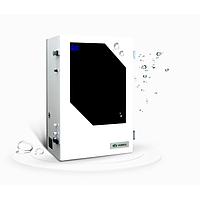
Aluminum Meter Inspection Service
Reliable aluminum analysis depends not only on the instrument itself, but also on the condition of the measuring system over time. In water treatment, environmental monitoring, and process control, periodic inspection helps confirm that an aluminum meter is operating within expected performance and remains suitable for routine measurement tasks.
Aluminum Meter Inspection Service is intended for users who need a practical way to verify instrument condition, reduce uncertainty in daily operation, and support consistent measurement quality. For organizations that rely on traceable maintenance and routine equipment checks, inspection is an important part of instrument lifecycle management.
Why inspection matters for aluminum measurement instruments
Aluminum meters are commonly used where dissolved or measurable aluminum levels must be monitored as part of water quality control or environmental assessment. Over time, instrument response can be affected by sensor condition, optical components, sampling path contamination, reagent-related issues, display errors, or general wear from regular use.
A scheduled inspection service helps identify these issues before they affect routine work. Instead of waiting for obvious failure, users can check whether the instrument still responds correctly, whether key functions operate normally, and whether the device remains appropriate for field or laboratory use.
What this service is typically used for
This category is relevant for companies, utilities, laboratories, and technical teams that use aluminum meters in environmental or water-related applications. Inspection is often part of preventive maintenance planning, quality management procedures, or internal requirements for periodic equipment review.
It is also useful when an instrument has been in operation for an extended period, has been exposed to demanding site conditions, or needs to be evaluated before returning to regular service. In these situations, a structured review helps users make better decisions about continued use, maintenance scheduling, or replacement planning.
Typical checkpoints during aluminum meter inspection
Although the exact scope may depend on the instrument condition and service workflow, inspection generally focuses on the overall operational status of the device. This can include visual condition, basic functional behavior, interface and display response, measurement stability, and the condition of parts that influence analytical performance.
For users working with portable or bench instruments, measurement reliability often depends on more than a single component. Sampling accessories, optical paths, housings, connectors, and user controls can all influence whether the meter remains dependable in day-to-day use.
- General condition assessment of the instrument body and accessible parts
- Review of operational behavior and basic function response
- Confirmation of usable condition for routine measurement work
- Identification of visible issues that may affect performance or handling
HUMAS service option in this category
A representative option in this category is the HUMAS Aluminum meter Inspection Service. This service is relevant for users who are already operating compatible HUMAS equipment and want a focused inspection pathway for their aluminum measurement instrument.
Where brand continuity matters in maintenance planning, users may also explore the broader HUMAS range for related equipment and support context. Keeping service selection aligned with the installed instrument base can simplify maintenance records and improve service coordination across multiple devices.
How to decide when an inspection service is needed
Inspection intervals are often influenced by frequency of use, operating environment, handling conditions, and internal quality requirements. Instruments used in humid areas, mobile testing work, or sites with frequent transportation may need closer attention than units kept in stable laboratory conditions.
There are also practical warning signs that suggest a review is worthwhile. Users may notice unstable readings, slower response, irregular controls, physical damage, or general uncertainty about the instrument’s current condition. In these cases, an inspection can help clarify whether the meter is still suitable for ongoing work.
Routine verification planning is especially valuable for organizations that manage several environmental instruments at the same time. A structured service schedule helps reduce unexpected downtime and supports more predictable measurement operations.
Related inspection services for environmental instruments
Many facilities do not operate an aluminum meter as a standalone device. It is common to manage multiple environmental instruments in parallel, each with its own inspection and maintenance needs. If your workflow includes broader monitoring tasks, it may be useful to review related service categories as part of a combined maintenance plan.
Depending on your application, you may also be interested in ion measurement electrode inspection for water analysis programs, or light meter inspection services where environmental or workplace monitoring extends beyond water parameters.
Choosing a suitable service approach
When selecting an aluminum meter inspection service, it helps to look at the instrument type, brand compatibility, current operating condition, and how the results of the inspection will be used internally. Some users need inspection mainly for maintenance control, while others require it to support documented equipment management procedures.
A clear service scope makes the process easier to plan and easier to integrate into maintenance routines. For technical buyers and maintenance teams, the most useful service is one that fits actual operating needs, supports informed decisions, and helps maintain confidence in the instrument’s day-to-day usability.
Supporting long-term instrument performance
Regular inspection is a practical step toward keeping aluminum measurement equipment in serviceable condition. It helps users detect issues early, maintain more stable operation, and manage equipment more effectively across environmental monitoring tasks.
For organizations using dedicated aluminum testing instruments, this category provides a focused service option that supports better maintenance planning and more dependable measurement workflows over time.
Get exclusive volume discounts, bulk pricing updates, and new product alerts delivered directly to your inbox.
By subscribing, you agree to our Terms of Service and Privacy Policy.
Direct access to our certified experts