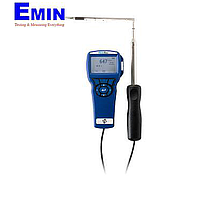
Anemometers Inspection Service
Reliable airflow data matters in HVAC commissioning, cleanroom monitoring, ventilation balancing, laboratory work, and many other industrial environments. When an anemometer is used for verification, maintenance, or compliance-related checks, periodic Anemometers Inspection Service helps confirm that the instrument is still performing as expected and remains suitable for day-to-day measurement tasks.
This service category is intended for organizations that use handheld or portable airflow meters from different manufacturers and need a practical way to assess instrument condition, measurement reliability, and overall readiness for continued use. It is especially relevant for maintenance teams, facility operators, environmental technicians, and quality departments that depend on stable airflow readings in routine operations.
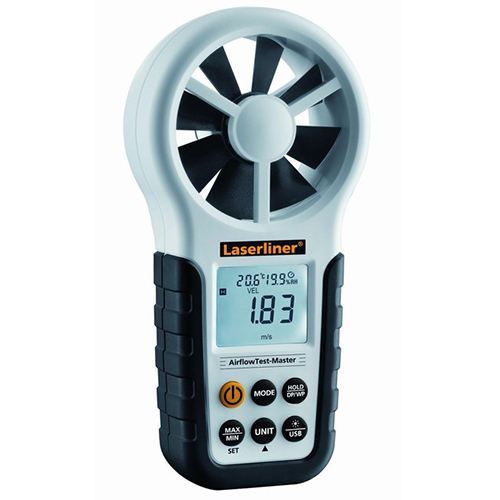
Why inspection service is important for anemometers
Anemometers are exposed to regular handling, transport, dust, changing temperatures, and demanding field conditions. Over time, these factors can affect sensor response, mechanical condition, display behavior, and general measurement consistency. An inspection service provides a structured way to review the instrument and identify whether it remains fit for use.
For many users, inspection is not only about technical assurance but also about reducing operational risk. Inaccurate airflow measurements can lead to poor ventilation adjustment, inefficient energy use, or misleading test results during site surveys. Similar preventive maintenance logic is often applied across other environmental instruments, including sound level meter inspection service and light meter inspection service.
What this category typically supports
This category covers inspection services for airflow meters from a range of commonly used brands in technical and industrial environments. Examples include instruments from TESTO, TSI, Amprobe, BKPRECISION, KANOMAX, EXTECH, Kestrel, PCE, ELCOMETER, and Chauvin Arnoux. The focus is not on one specific model family, but on supporting users who operate different anemometers across maintenance, testing, and environmental measurement workflows.
Representative service entries in this category include TESTO Anemometer Inspection Service, Amprobe Anemometer Inspection Service, Kestrel Anemometer Inspection Service, BKPRECISION Anemometer Inspection Service, KANOMAX Anemometer Inspection Service, ELCOMETER Anemometer Inspection Service, EXTECH Anemometer Inspection Service, Chauvin Arnoux Anemometer Inspection Service, PCE Anemometer Inspection Service, and TSI Anemometer Inspection Service. These examples help illustrate the practical scope of the category for multi-brand instrument fleets.
What is typically checked during an anemometer inspection
Although the exact workflow can vary depending on the instrument type and condition, an inspection service generally reviews the device in a structured manner. This may include checking the physical state of the housing, probe, vane or sensing element, display, keypad, battery compartment, connectors, and overall basic functionality.
Another key objective is to assess whether the meter responds consistently enough for continued application use. In practical terms, users often want to know if the instrument shows signs of drift, unstable readings, mechanical wear, or handling damage that could affect field measurements. For organizations managing several environmental devices, inspection planning may also be aligned with related services such as dew point meter inspection service where climate and airflow conditions are reviewed together.
Suitable applications and user groups
Airflow measurement instruments are used across building services, industrial ventilation, environmental surveys, and process support activities. In these settings, an inspection service is useful for technicians who rely on portable meters for balancing air systems, checking extraction performance, reviewing airflow around work areas, or conducting routine maintenance checks.
The service is also relevant for contractors and in-house engineering teams that maintain multiple meters from different suppliers. A centralized inspection approach can make it easier to manage equipment records, schedule service intervals, and decide whether an instrument should remain in service, be repaired, or be replaced.
How to choose the right service entry
The most practical way to select a service is to match it to the instrument brand and the actual device type in use. If your organization operates equipment from TESTO, Amprobe, TSI, or other listed manufacturers, choosing the corresponding service entry helps keep service administration clear and reduces confusion when managing multiple units.
It is also useful to prepare the basic instrument information before arranging service, such as manufacturer name, model reference, current operating condition, and any known issues observed in the field. This is especially important when the device is used alongside other environmental measurement tools, for example in combined airflow and moisture assessments that may also involve a water activity meter inspection service in broader quality workflows.
Examples of brands covered in this category
Many industrial and environmental teams use anemometers from established instrument manufacturers with different design approaches and application focus. Within this category, users can find service options associated with brands such as TESTO, TSI, Amprobe, BKPRECISION, KANOMAX, EXTECH, Kestrel, PCE, ELCOMETER, and Chauvin Arnoux.
For example, organizations that standardize around portable HVAC and field-testing instruments may look for TESTO Anemometer Inspection Service, while users working with broader environmental monitoring portfolios may need support for TSI or EXTECH units. In the same way, teams using specialized handheld devices can refer to Kestrel or KANOMAX service entries when planning periodic instrument review.
When to arrange an inspection
Inspection intervals are usually influenced by usage frequency, operating environment, handling conditions, and internal quality procedures. Instruments used regularly in dusty ducts, rooftop work, plant rooms, or construction-related environments may require closer attention than devices stored and used only occasionally.
It is sensible to schedule inspection when readings appear unstable, after accidental impact, when buttons or displays begin to fail, or before important verification work. Preventive inspection is often more efficient than waiting until the instrument becomes unreliable during a critical task, especially in environments where airflow data supports maintenance decisions or documentation.
A practical way to keep airflow instruments dependable
Anemometer inspection is ultimately about maintaining confidence in the instrument you already use. Whether your team works with one handheld meter or a larger mixed-brand fleet, a structured inspection process helps identify wear, functional issues, and service needs before they affect field results.
By choosing the appropriate service entry for your instrument brand and reviewing equipment condition at sensible intervals, you can support more consistent airflow measurement across maintenance, environmental, and facility management activities. This category is designed to make that process clearer and easier to manage for professional B2B users.
Get exclusive volume discounts, bulk pricing updates, and new product alerts delivered directly to your inbox.
By subscribing, you agree to our Terms of Service and Privacy Policy.
Direct access to our certified experts