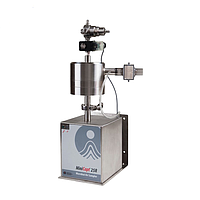
Biological Samplers Inspection Service
Reliable microbiological monitoring depends not only on the sampler itself, but also on the condition of the instrument over time. In cleanrooms, pharmaceutical production, hospitals, food processing areas, and controlled laboratory environments, routine inspection helps confirm that an air sampler continues to operate as intended and supports consistent environmental monitoring results.
Biological Samplers Inspection Service is intended for organizations that use microbial air sampling equipment as part of quality control, contamination control, or environmental surveillance programs. A well-planned inspection process can help identify wear, performance drift, mechanical issues, and general condition concerns before they affect daily use.
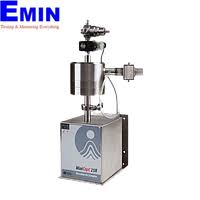
Why inspection matters for biological samplers
Biological samplers are used where airborne contamination must be monitored with confidence. Because these instruments are involved in collecting microorganisms from the air, their physical condition, airflow-related performance, and overall functionality can directly influence whether sampling activities remain consistent from one inspection cycle to the next.
Regular inspection is especially relevant in facilities that work under documented environmental monitoring procedures. It supports maintenance planning, helps detect instrument deterioration, and provides a practical basis for deciding whether a unit can remain in service, requires adjustment, or should be sent for additional support.
Typical equipment covered in this service category
This category is focused on inspection support for microbial air samplers and related biological sampling instruments used in environmental control programs. These devices are commonly found in regulated or hygiene-sensitive operations where air quality monitoring forms part of routine verification.
Representative examples in this category include the Buck Microbial Sampler Inspection Service and the PMS Microbial Air Sampler Inspection Service. These examples illustrate the type of equipment supported, while actual inspection scope may vary depending on instrument design, condition, and service requirements.
Common inspection focus areas
An inspection service for this type of equipment generally looks at the instrument as a working system rather than as a single component. This often includes verification of operating condition, physical integrity, user interface response, visible wear, and the general readiness of the sampler for ongoing field or cleanroom use.
For microbial sampling equipment, attention is often given to areas that influence sample collection consistency, such as airflow path condition, mechanical stability, housing integrity, and sample head condition where applicable. The goal is not to overstate performance, but to provide a structured review of the unit’s condition and help users manage risk in critical monitoring applications.
- Visual and mechanical condition of the sampler body and key functional parts
- Basic operational checks related to startup, controls, and normal use
- Review of parts exposed to routine handling, transport, or cleaning
- Identification of issues that may affect repeatability or serviceability
Where this service is commonly used
Inspection of biological samplers is relevant across sectors where airborne microbial monitoring is part of compliance or internal quality practice. This includes pharmaceutical manufacturing, sterile compounding, hospital support environments, biotechnology facilities, food production, and research laboratories.
In these settings, biological samplers are often part of a broader environmental instrumentation program. Teams that manage multiple monitoring tools may also need related services for instruments such as dew point meter inspection or light meter inspection, depending on the application and facility controls in place.
Manufacturer-specific support considerations
Different instrument families may have different construction details, accessories, and handling requirements. For that reason, it is useful to align inspection planning with the equipment brand and model used in your facility. In this category, commonly referenced manufacturers include BUCK and PMS, both associated with microbial sampling applications.
Choosing a service path with clear awareness of manufacturer-specific equipment helps reduce ambiguity during inspection and supports more practical follow-up when issues are found. It also makes it easier for maintenance and QA teams to track assets by brand across multi-site operations.
How to decide when an inspection is needed
The right inspection interval depends on how frequently the sampler is used, the criticality of the environment, internal quality procedures, and the history of the instrument. Units that are moved often, used in demanding production schedules, or exposed to frequent cleaning may benefit from closer attention than backup units that are rarely deployed.
Inspection is also worth considering when users notice changes in operation, physical damage, control issues, or uncertainty after transport and storage. In quality-sensitive environments, a proactive inspection schedule is often more effective than waiting for visible failure, especially when the instrument supports routine environmental monitoring records.
Supporting a more reliable environmental monitoring program
Biological samplers rarely operate in isolation. They are usually one part of a broader contamination control or facility monitoring strategy that may also include temperature, humidity, light, sound, or water-related measurements depending on the site. Keeping each instrument type in suitable condition helps create a more stable and traceable monitoring workflow.
For organizations managing multiple environmental devices, inspection services can also simplify asset oversight and service planning across departments. This category is therefore useful not only for replacing ad hoc maintenance, but also for supporting a more structured approach to instrument lifecycle management.
Choosing the right service category for your equipment
If your application involves microbial air sampling, this category provides a focused route for equipment inspection without forcing a generic environmental instrument workflow onto a specialized device. It is particularly suitable for teams that need a service option aligned with contamination monitoring practices and the operational realities of controlled environments.
When reviewing available service options, it helps to confirm the instrument type, manufacturer, and intended inspection purpose in advance. That makes it easier to route each unit correctly, reduce delays, and maintain continuity in your environmental monitoring program.
With the right inspection process in place, biological samplers can remain a dependable part of routine microbiological monitoring, helping facilities maintain confidence in the tools they rely on every day.
Get exclusive volume discounts, bulk pricing updates, and new product alerts delivered directly to your inbox.
By subscribing, you agree to our Terms of Service and Privacy Policy.
Direct access to our certified experts