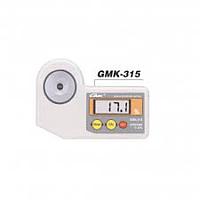
Food Testing Machine Inspection Service
Reliable measurement is essential in food production, incoming material control, laboratory work, and quality assurance. When test instruments drift, become contaminated, or no longer perform within expected conditions, the result can be inconsistent data and unnecessary risk in process decisions. A professional Food Testing Machine Inspection Service helps verify instrument condition, supports stable operation, and gives users more confidence in the results they rely on every day.
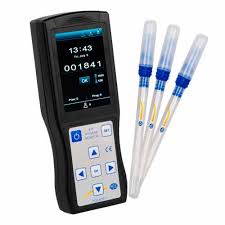
Why inspection matters for food testing equipment
Food testing instruments are used to check product characteristics such as concentration, moisture-related conditions, handling environment, or other quality indicators depending on the application. In this context, inspection is not just a maintenance task. It is a practical way to confirm that the device remains suitable for routine use, that key functions respond correctly, and that visible issues are identified before they affect daily work.
For many operators, the most important benefit is consistency. An inspection service can help detect wear, sensor deterioration, contamination, display or control issues, and deviations in basic performance. This is especially valuable where measurements are used for release checks, production monitoring, storage evaluation, or comparison between batches.
Typical equipment covered in this category
This category is relevant to a broad range of food-related testing and measurement devices used in industrial and laboratory settings. Depending on the instrument type, inspection may focus on sensing elements, optical parts, sample contact surfaces, response behavior, display operation, power condition, and overall functional status.
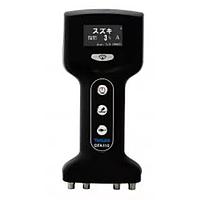
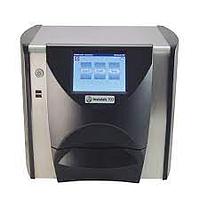
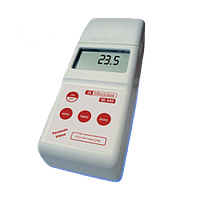
Examples in this category include service options associated with brands such as DICKEY john, MILWAUKEE, PCE, skSATO, Yamato, and G-WON. Representative listings include DICKEY john Food inspection equipment Inspection Service, MILWAUKEE Food inspection equipment Inspection Service, PCE Food inspection equipment Inspection Service, and skSATO Food Refractometer Inspection Service. These examples help illustrate the range of instruments that may require periodic condition checks as part of a quality-focused workflow.
What an inspection service generally helps verify
The exact scope depends on the instrument design, but a proper inspection process typically focuses on the operational health of the equipment rather than only its external appearance. This may include checking basic functionality, response stability, user interface condition, connectors or power supply status, and whether the measuring section appears to perform normally under test conditions.
Instruments used in food testing often work in environments where residue, humidity, temperature changes, and repeated handling can affect reliability over time. Inspection helps reveal issues that are easy to overlook during routine use, such as unstable readings, slow response, contamination around the sensing area, or mechanical wear that can influence repeatability.
- Functional confirmation of key operating modes
- Visual and physical condition review
- Basic response or measurement behavior checks
- Identification of signs of damage, drift, or abnormal operation
- Support for planning maintenance, calibration, or repair when needed
Common applications in food and quality control environments
Inspection services for food testing machines are useful across production plants, food laboratories, distribution centers, research environments, and incoming goods inspection points. In these settings, measurement equipment may be used to support raw material acceptance, process adjustment, product consistency checks, and storage condition evaluation.
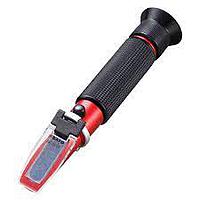
For example, a refractometer used in food applications should be checked periodically to ensure dependable operation in concentration-related measurements. Likewise, specialized food inspection devices from manufacturers such as PCE or skSATO may need regular review when they are used frequently, transported between sites, or exposed to demanding operating conditions. Inspection becomes especially important when users notice unstable readings, after extended service intervals, or before critical quality verification work.
How to decide when inspection is needed
Inspection intervals are usually influenced by how often the instrument is used, the cleanliness of the working environment, handling conditions, and how critical the measurement is to the process. Devices used daily in production or exposed to dust, moisture, splashes, or repeated transport will often need closer attention than equipment kept in a controlled laboratory area.
It is also sensible to schedule inspection when certain warning signs appear. These can include inconsistent readings between samples, slower-than-usual response, visible damage, difficulty with zeroing or setup, or uncertainty after the instrument has been dropped or stored for a long period. In many cases, inspection is the right first step before deciding whether calibration or repair is also required.
Related services that may support a complete measurement workflow
Food testing does not happen in isolation. Many facilities also depend on surrounding environmental and quality-related instruments to maintain stable conditions and support product evaluation. When measurement quality is important across the wider process, users often review related service categories as part of the same maintenance plan.
Depending on the application, it may also be useful to consider water activity meter inspection for shelf-life or storage assessment, as well as ion measurement electrode inspection where liquid analysis is part of the workflow. These related services can help maintain a more complete and dependable testing environment.
Choosing the right service for your instrument
The most effective service request starts with identifying the actual device type, its brand, and the issue you want to confirm. Some users need a routine inspection for preventive maintenance, while others need evaluation after unusual readings or physical impact. Providing the equipment name and current symptoms helps narrow the service scope more efficiently.
If your instrument belongs to a known product family from Yamato, G-WON, MILWAUKEE, DICKEY john, PCE, or skSATO, selecting a service aligned with that equipment category can make the process more straightforward. This is particularly useful for food-related testers and refractometer-based devices, where the inspection focus may vary according to the sensing principle and operating environment.
Support more consistent testing results
A well-timed inspection can reduce uncertainty before small issues become larger problems in production or laboratory work. For organizations that rely on food measurement data to support quality decisions, periodic review of equipment condition is a practical step toward better repeatability, smoother operation, and more confident testing routines.
Whether you are checking a frequently used food tester, reviewing a refractometer in routine service, or evaluating equipment from brands such as MILWAUKEE, DICKEY john, PCE, skSATO, Yamato, or G-WON, this category helps you find an appropriate inspection service for the task. Choosing the right service path early can make it easier to maintain measurement reliability across your food testing workflow.
Get exclusive volume discounts, bulk pricing updates, and new product alerts delivered directly to your inbox.
By subscribing, you agree to our Terms of Service and Privacy Policy.
Direct access to our certified experts