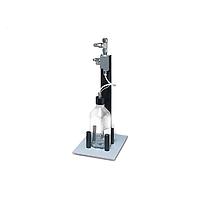
Liquid Particle Counter Inspection Service
Reliable particle data depends not only on the instrument itself, but also on its condition over time. In water treatment, laboratory work, process monitoring, and contamination control, a liquid particle counter must deliver stable and traceable results so that particle trends can be interpreted with confidence. That is why a professional Liquid Particle Counter Inspection Service is an important part of instrument maintenance and quality assurance.
This service category supports users who need to verify the operating condition of liquid particle counting equipment, reduce measurement uncertainty, and maintain confidence in routine monitoring. Whether the instrument is used for environmental testing, process water evaluation, or controlled measurement tasks, periodic inspection helps identify performance issues before they affect reporting or decision-making.
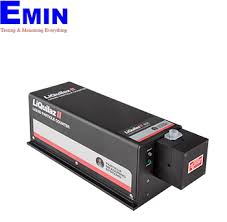
Why inspection matters for liquid particle counters
Liquid particle counters are used where the presence, size distribution, or concentration of particles in liquid samples can influence product quality, process performance, or environmental assessment. Because these instruments operate as part of a broader measurement workflow, even small deviations in sensing, fluid handling, or counting behavior can lead to inconsistent data.
A structured inspection service helps confirm that the device is functioning as intended, that its response remains suitable for ongoing use, and that visible or developing issues are detected early. For organizations working under internal quality systems or documented maintenance schedules, inspection also supports a more disciplined approach to equipment management.
What a liquid particle counter inspection service typically supports
The goal of inspection is not simply to check whether the instrument powers on. A useful service process focuses on the overall measurement condition of the equipment, including operational stability, key functional checks, and the general readiness of the system for continued use in real applications.
For many users, this is especially relevant when the instrument is part of a monitored process where data consistency matters over time. Inspection can help reveal drift, abnormal counting behavior, handling issues, or wear-related concerns that may not be obvious during everyday operation. In this sense, the service plays a practical role in supporting dependable particle analysis rather than acting as a purely administrative task.
Common equipment covered in this category
This category is intended for inspection services related to liquid particle counting systems from established manufacturers used in technical and industrial environments. Examples include solutions associated with HACH, TSI, and PMS, depending on the installed base and application context.
Representative service items in this category include the PMS Liquid Particle Counter Inspection Service, the HACH Liquid Particle Counting System Inspection Service, and the TSI Polydisperse Generator Inspection Service. These examples illustrate the broader ecosystem around particle measurement, where both the main instrument and supporting equipment may need regular review to keep the testing process reliable.
How inspection supports data quality and process confidence
When particle counting data is used for routine monitoring, trend evaluation, or quality control, questionable instrument condition can create avoidable uncertainty. Inspection helps users maintain confidence in reported values by checking that the system remains suitable for its intended measurement tasks and by highlighting issues that may require follow-up action.
This is especially important when comparing historical data, investigating process changes, or documenting the condition of critical instruments. A well-timed inspection can reduce the risk of relying on unstable readings and can support better decisions on maintenance, service intervals, or equipment replacement planning.
Choosing the right service for your equipment
When selecting an inspection service, it is useful to consider the instrument type, how often it is used, the criticality of the application, and whether the system includes related accessories or supporting modules. Different setups may have different inspection needs, particularly when the liquid particle counter is integrated into a larger measurement workflow.
Manufacturer alignment can also matter. If your installed equipment is based on brands such as TSI or PMS, it is often helpful to review service options with the specific device context in mind. This makes it easier to choose a service scope that matches actual operating conditions instead of treating all particle counting systems as interchangeable.
Related inspection services in environmental measurement
Liquid particle counting is only one part of a broader environmental and analytical instrumentation landscape. Many facilities manage multiple instruments at the same time, and a consistent inspection strategy across devices can improve maintenance planning and documentation.
Depending on your measurement environment, you may also need services for instruments such as an ion measurement electrode in water inspection service or a dew point meter inspection service. These related categories are relevant for organizations that manage water quality, environmental conditions, and process verification as part of the same technical workflow.
When to consider inspection
Inspection is often considered when an instrument has been in continuous use for an extended period, when measurement results become less consistent, or when the device is part of a documented quality system that requires periodic verification. It can also be a sensible step after transport, storage, or changes in operating conditions that may affect performance.
For many users, the best approach is preventive rather than reactive. Scheduling inspection before clear problems appear can help preserve measurement continuity and reduce unexpected disruption in monitoring activities.
Supporting long-term instrument reliability
A liquid particle counter is valuable only when its output remains trustworthy in day-to-day use. Inspection services help bridge the gap between initial instrument capability and long-term operational reliability by providing a practical check on current condition, performance readiness, and service needs.
If your workflow depends on consistent particle measurements in liquid samples, this category provides a focused starting point for maintaining instrument health. Reviewing the available service options for HACH, TSI, or PMS-related equipment can help you choose an inspection path that fits your application, maintenance schedule, and quality requirements.
Get exclusive volume discounts, bulk pricing updates, and new product alerts delivered directly to your inbox.
By subscribing, you agree to our Terms of Service and Privacy Policy.
Direct access to our certified experts