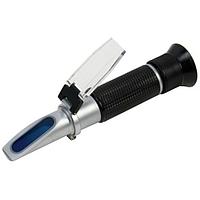
Oil and acid gauges Inspection Service
Accurate condition checks for oils, acidic solutions, coolants, and related process fluids depend heavily on the reliability of the instrument itself. When a tester begins to drift, respond slowly, or produce inconsistent readings, maintenance decisions and quality control results can quickly become less dependable. A professional Oil and acid gauges Inspection Service helps verify that these instruments are operating as expected and remain suitable for routine technical use.
This category is intended for users who manage handheld testers, refractometers, acidity meters, and oil analysis instruments used in industrial maintenance, automotive service, laboratory support, and field inspection. Whether the goal is routine verification, troubleshooting, or general performance assessment, inspection services can help reduce uncertainty before instruments are returned to active use.
Why inspection matters for oil and acid measuring instruments
Instruments used to evaluate oil condition, acidity, concentration, or coolant status are often exposed to demanding environments. Temperature variation, residue buildup, contamination, handling impact, and normal aging can all affect reading stability. Even when a device still powers on and appears functional, its measurement performance may no longer be fully trustworthy.
A structured inspection service is useful because it goes beyond a basic visual check. It supports assessment of instrument condition, response behavior, and overall usability so maintenance teams, QA personnel, and service departments can make better decisions about continued operation, adjustment, or further service steps.
Typical instruments covered in this category
This service scope is relevant to a range of devices used for fluid analysis and condition monitoring. Examples in this category include the G-won Acidity Meter Inspection Service, Hanna Oil Refractometer Inspection Service, Atago Oil Refractometer Inspection Service, Extech Oil & Acid Inspection Service, JTC Battery Coolant Tester Inspection Service, and Horiba Oil Content Analyzer Inspection Service.
These instruments may be used for different purposes, but they share a common requirement: dependable readings in practical working conditions. Some are intended for quick field checks, while others support more detailed analysis of oil content or fluid condition. Inspection is therefore important not only for high-precision instruments, but also for routine workshop and maintenance tools that influence day-to-day service decisions.
Common applications and user needs
Oil and acid gauges are used across several technical environments. In automotive and fleet maintenance, they can support checks on battery coolant condition, lubricant quality, or fluid concentration. In plant maintenance and utilities, they may be part of condition monitoring workflows for oils, process liquids, or contamination control. In laboratory and QA support, they can help confirm whether sampled fluids stay within expected operating limits.
Because these use cases directly affect process quality and maintenance timing, inspection services are especially valuable when instruments are used repeatedly by different operators or moved between sites. A verified instrument condition supports more consistent reporting and helps teams avoid decisions based on questionable measurements.
Examples from key manufacturers
Many users look for service support by brand because handling practices and instrument formats differ across product families. This category includes representative inspection services for brands such as HORIBA, ATAGO, EXTECH, HANNA, JTC, and G-WON. These names are commonly associated with portable measurement tools and analyzers used in environmental, maintenance, and fluid testing work.
For example, an oil refractometer from HANNA or ATAGO may be part of a fast visual testing routine, while a HORIBA oil content analyzer may be used in more specific analytical workflows. The inspection objective remains similar: confirm that the instrument is still suitable for its intended measurement task and identify any signs of wear, drift, or abnormal behavior that could affect results.
What users typically expect from an inspection service
For this type of equipment, users usually want clarity on basic operating condition, display or optical status, sensor or reading response, and general measurement reliability. Depending on the instrument type, inspection may relate to optical components, fluid contact surfaces, indication behavior, or overall functional response under normal use conditions. The exact approach can vary between an acidity meter, a coolant tester, and an oil analyzer, but the purpose is the same: provide a clearer picture of instrument health.
This is particularly important for organizations that maintain service records, quality procedures, or preventive maintenance schedules. A documented inspection process supports traceability and helps determine whether the device can continue in service, should be cleaned or adjusted, or may need a more in-depth calibration or repair path.
How to choose the right service for your instrument
The first step is matching the service to the actual device type and application. Instruments that measure acidity, refractive behavior, oil content, or coolant status may look similar in daily use, but they operate on different principles. Selecting the correct inspection service helps ensure that the evaluation aligns with the instrument’s intended function rather than treating all fluid testers as interchangeable tools.
It is also useful to consider the operating context. A portable tester used occasionally in a controlled environment may have different service needs from an instrument used continuously in a workshop or production area. If your broader workflow includes other environmental or process measurement devices, related services such as water activity meter inspection or dew point meter inspection may also be relevant for maintaining a more complete instrument control program.
When inspection is especially recommended
Inspection is often a practical choice when an instrument has been in service for a long period, has been exposed to harsh field conditions, or starts showing unusual readings compared with historical results. It is also recommended after transport, storage, accidental impact, or periods of infrequent use that may affect readiness.
Many organizations also schedule inspection before critical maintenance campaigns, internal audits, or quality reviews. In these cases, the goal is not only to check the device itself but to strengthen confidence in the measurement data used across operations. For teams managing multiple portable instruments, related services like ion measurement electrode inspection can complement fluid and environmental measurement control where applications overlap.
Supporting reliable measurement decisions
Choosing an appropriate instrument inspection service is a practical step toward better measurement consistency, better maintenance planning, and lower risk of acting on uncertain data. For oil testers, acidity meters, refractometers, coolant testers, and oil content analyzers, inspection helps confirm whether the instrument is still fit for routine technical work.
If you are selecting support for a specific device in this category, it is worth reviewing the relevant service by instrument type and manufacturer. A well-matched inspection path makes it easier to maintain confidence in daily readings and to keep fluid analysis tools aligned with real operating needs.
Get exclusive volume discounts, bulk pricing updates, and new product alerts delivered directly to your inbox.
By subscribing, you agree to our Terms of Service and Privacy Policy.
Direct access to our certified experts