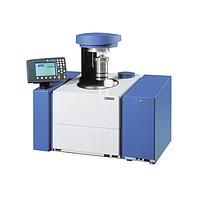
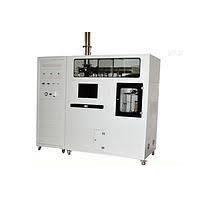
OXYGEN heat meter Inspection Service
Reliable test data depends not only on the instrument itself, but also on the condition of the equipment used to generate that data. In laboratories and quality control environments, an OXYGEN heat meter Inspection Service helps verify that the instrument remains suitable for routine testing, repeatability checks, and safe operation over time.
This type of service is especially relevant for facilities working with combustion-related testing, thermal analysis workflows, or material evaluation where oxygen-based calorimetric equipment plays a critical role. A structured inspection can support maintenance planning, reduce unexpected downtime, and give users more confidence in day-to-day measurement results.
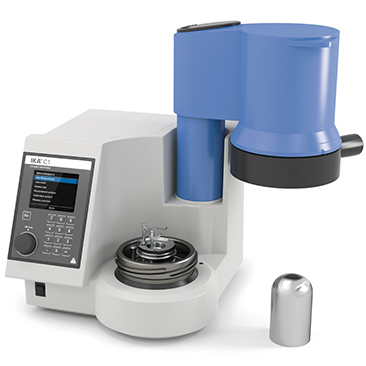
Why inspection matters for oxygen heat meter equipment
In practice, laboratory instruments are exposed to routine wear, repeated operating cycles, environmental changes, and handling variations. Even when an oxygen heat meter appears to function normally, subtle issues in mechanical condition, control response, sealing integrity, or supporting components can affect testing consistency and operational reliability.
A professional inspection focuses on the overall equipment condition rather than only a superficial visual check. This is useful for laboratories that need to maintain stable workflows, prepare for audits, or review instrument status before calibration, preventive maintenance, or internal quality assessments.
What an inspection service typically helps you assess
For this category, the main objective is to evaluate whether the instrument and its key operating elements are in an appropriate state for continued use. Depending on the service scope and laboratory procedure, this may include general operational checks, physical condition review, inspection of critical assemblies, and confirmation that the unit is functioning in a controlled and predictable way.
Inspection is also valuable when a system shows inconsistent behavior, has been in service for a long period, or is being returned to active use after storage. In those cases, an inspection can help identify whether additional actions such as servicing, parts replacement, or a broader laboratory equipment review should be considered.
Common situations where this service is useful
Many organizations schedule inspections as part of routine lab asset management, while others request the service only when a performance concern appears. Both approaches are valid, especially where test equipment supports regulated processes, internal validation work, or customer-facing quality documentation.
This service is often relevant before periodic maintenance cycles, after relocation of the instrument, following unusually heavy use, or when operators need a clearer picture of current equipment status. Laboratories managing multiple critical devices may also combine this category with related services such as centrifuge inspection service or autoclave sterilizer inspection service to standardize equipment oversight across departments.
Representative service options in this category
This category includes inspection services associated with widely used laboratory brands such as IKA and Falex. These references help buyers identify services aligned with the equipment ecosystem already present in their lab.
Examples listed in this category include the IKA OXYGEN heat meter Inspection Service and the Falex OXYGEN Heat Meter Inspection Service. These entries are useful as reference points when comparing service availability by manufacturer, planning support for installed instruments, or matching inspection work to the equipment brand used in the laboratory.
How to choose the right inspection service
When selecting a service, it is helpful to start with the instrument brand, current operating condition, and the purpose of the inspection. Some users need a routine condition check for preventive maintenance planning, while others may be responding to irregular results, a service event, or a requirement from their quality management system.
You should also consider whether the inspection is part of a broader laboratory support workflow. For example, facilities handling sensitive samples or controlled environments may also review adjacent equipment categories such as biosafety cabinet inspection service when building a more complete inspection schedule. Choosing the right scope helps ensure the service is practical, relevant, and aligned with actual lab usage.
Benefits for laboratory operations and quality systems
A well-planned inspection program can improve visibility into instrument status and reduce the risk of unnoticed deterioration. For laboratories that depend on traceable workflows and documented equipment control, this supports better decision-making around maintenance timing, downtime planning, and readiness for internal or external review.
There is also an operational benefit: when equipment issues are identified early, teams can address them before they interrupt testing schedules. That makes inspection service not just a technical task, but part of a practical strategy for protecting throughput, supporting repeatable results, and maintaining confidence in laboratory operations.
Supporting long-term equipment reliability
Over the life of an instrument, inspection plays an important role alongside maintenance, repair, and other technical services. Rather than waiting for a complete failure, many laboratories use periodic inspection to monitor condition trends and make better service decisions based on actual equipment status.
For organizations using oxygen heat meter systems in regular testing programs, this category provides a focused way to review available support options by application and brand. If you are assessing service coverage for your lab, comparing the listed options in this category is a practical first step toward maintaining reliable laboratory equipment and more consistent test operations.
Get exclusive volume discounts, bulk pricing updates, and new product alerts delivered directly to your inbox.
By subscribing, you agree to our Terms of Service and Privacy Policy.
Direct access to our certified experts