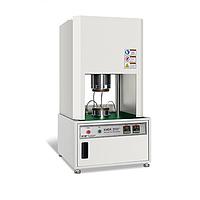
Laboratory Equipment Inspection Service
Reliable laboratory work depends on more than instrument performance on the day of installation. Over time, temperature drift, mechanical wear, optical deviation, vacuum leakage, and control instability can all affect process quality, test repeatability, and day-to-day safety. A well-planned Laboratory Equipment Inspection Service helps organizations check critical equipment condition, identify issues early, and support stable operation across research, quality control, healthcare, and industrial labs.
This category covers inspection support for a wide range of laboratory instruments used in sample preparation, thermal processing, storage, analytical measurement, and routine testing. It is relevant for facilities that need periodic equipment checks, condition assessment before maintenance decisions, or service planning for mixed-brand laboratory environments.
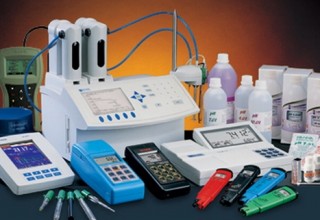
Why inspection matters in laboratory environments
Laboratory equipment often operates under demanding conditions: continuous temperature control, repeated start-stop cycles, rotating assemblies, vacuum generation, or sensitive optical measurement. Even when a unit is still running, hidden deviations can gradually reduce confidence in results or increase the risk of downtime. Inspection services are therefore useful not only after a failure, but also as part of preventive quality management.
For many organizations, inspection is also a practical way to prioritize service actions. Instead of treating all instruments the same, teams can review actual equipment condition and focus resources where risk is higher. This approach is especially helpful when a lab handles a broad equipment mix, from storage and heating systems to spectrophotometers, viscometers, and centrifuges.
Equipment commonly included in this category
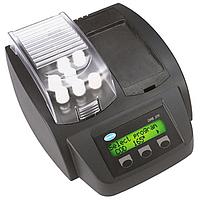
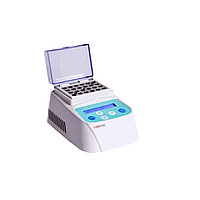
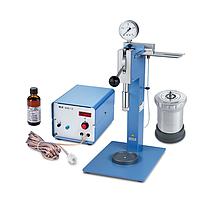
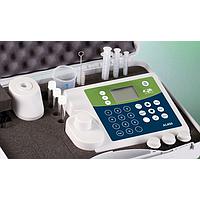
This category covers inspection needs across many core laboratory systems. Typical examples include water baths, vacuum pumps, centrifuges, ultra-low temperature freezers, extractors, polarimeters, titration equipment, spectrophotometers, and viscometers. These devices support very different workflows, but they share one operational requirement: they must perform consistently enough to support valid laboratory work.
Examples from this catalog include the IKA Vacuum Pump Inspection Service, IKA Centrifuge Inspection Service, BROOKFIELD Water Heating Bath Inspection Service, BROOKFIELD Viscometer Inspection Service, KONICA MINOLTA Spectrophotometer Inspection Service, HACH Spectrophotometer Inspection Service, YSI Titration Equipment Inspection Service, ATAGO Polarimeter Inspection Service, Buchi Extractor Inspection Service, and Binder Ultra Low Temperature Freezer Inspection Service. Where a more specific need exists, readers can also explore related service pages such as spectrophotometer inspection services.
What an inspection service typically helps you evaluate
An effective inspection process usually focuses on the actual operating condition of the instrument rather than on broad marketing claims. Depending on equipment type, this can include visual condition, functional response, control behavior, moving parts, seals, connections, heating or cooling performance, display and interface status, and signs of abnormal noise or vibration.
For analytical instruments, inspection may pay close attention to measurement stability, repeatability, and signs of optical or sensor-related drift. For thermal equipment such as baths, chillers, refrigerators, or freezers, the emphasis is often on temperature behavior, circulation, insulation condition, and alarm response. For mechanical devices such as centrifuges and pumps, service teams may look at rotational behavior, balance, wear, and operating consistency.
Inspection is not the same as full repair, but it provides a structured basis for maintenance planning. It can help determine whether a unit is fit for continued use, needs adjustment, or should be scheduled for deeper service.
Examples across leading laboratory equipment brands
Many labs operate equipment from multiple manufacturers, so cross-brand inspection capability is important. In this category, commonly referenced brands include IKA, BROOKFIELD, HACH, Buchi, KONICA MINOLTA, YSI, ATAGO, and Binder. Each brand is associated with different equipment families, but the inspection objective remains consistent: verify condition, support reliability, and reduce uncertainty in daily operation.
For example, an IKA water bath or vacuum pump may be assessed with attention to thermal control or vacuum performance, while a BROOKFIELD viscometer inspection is more closely tied to dependable viscosity measurement behavior. Optical devices from HACH or KONICA MINOLTA require careful review of response quality and practical measurement confidence, and low-temperature storage units from Binder are especially important where sample protection depends on stable freezer operation.
How to choose the right inspection scope
The right service scope depends on the role the instrument plays in your workflow. If a device directly affects test results, sample integrity, or regulated lab routines, inspections should generally be planned with greater priority. Spectrophotometers, titration systems, viscometers, and polarimeters fall into this group because measurement quality is closely tied to decision-making in the lab.
Equipment that supports process continuity also deserves regular review, especially when downtime is costly. Water baths, centrifuges, vacuum pumps, and freezers may not all produce analytical results directly, but they are often essential to sample preparation, conditioning, extraction, storage, or workflow throughput. If your focus is on storage integrity or broader non-lab instruments, related pages such as chemical storage refrigerator inspection or specialty meter inspection services may also be useful.
When inspection is especially useful
A scheduled inspection can be valuable after relocation, before validation activity, following heavy continuous use, or when operators notice subtle performance changes without a complete breakdown. In many labs, these warning signs include slower stabilization, inconsistent readings, unusual noise, temperature overshoot, vacuum weakness, or visible wear.
Inspection is also useful when managing older assets. Instead of replacing equipment too early or running it too long without review, a condition-based assessment gives maintenance and procurement teams a clearer basis for next steps. This is particularly helpful in mixed fleets where service history differs from one instrument type to another.
Supporting maintenance planning and equipment lifecycle decisions
A laboratory inspection program works best when it is connected to broader asset management. Results from inspections can help teams organize maintenance intervals, prepare spare-part planning, reduce unexpected stoppages, and support documentation for internal quality systems. For organizations with both lab and general measuring devices, services such as mechanical measuring instrument inspection can complement laboratory equipment checks in a wider maintenance framework.
Over time, this structured approach improves visibility across the equipment lifecycle. Some instruments may only need routine follow-up, while others may require targeted service or closer monitoring. The benefit is not simply keeping equipment running, but maintaining a more predictable lab environment with fewer surprises.
Find inspection services that match your laboratory equipment
This category is designed for laboratories that need practical inspection support across thermal, mechanical, storage, and analytical equipment. Whether you are reviewing an IKA centrifuge, a BROOKFIELD water heating bath, a HACH spectrophotometer, a Buchi extractor, or a Binder ultra-low temperature freezer, the goal is the same: understand current condition and make better maintenance decisions with less guesswork.
By choosing inspection services that fit the actual role of each instrument, labs can improve reliability, protect workflows, and plan maintenance more efficiently. Explore the available service options in this category to identify the most appropriate inspection path for your equipment mix.
Get exclusive volume discounts, bulk pricing updates, and new product alerts delivered directly to your inbox.
By subscribing, you agree to our Terms of Service and Privacy Policy.
Direct access to our certified experts