
Rotary Evaporator Inspection Service
In solvent recovery, concentration, and sample preparation workflows, stable rotary evaporation is essential for both productivity and safety. When a system is used regularly in pharmaceutical, chemical, food, or academic laboratories, periodic Rotary Evaporator Inspection Service helps confirm that the equipment is operating as intended and that critical functions remain consistent over time.
This category is intended for laboratories and technical teams that need inspection support for rotary evaporators used in daily operation or as part of controlled maintenance planning. A structured inspection can help identify wear, operational deviations, and performance-related issues before they affect process repeatability, solvent handling, or equipment uptime.
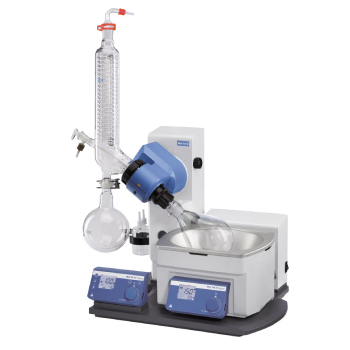
Why rotary evaporator inspection matters
A rotary evaporator combines several functions in one system: controlled rotation, heating, vacuum-assisted evaporation, and condensation. Because these subsystems work together, even a small issue in one area can influence evaporation efficiency, recovery performance, or operator handling. Regular inspection is therefore not only about finding faults, but also about maintaining reliable operation in routine laboratory work.
In many labs, rotary evaporators support repeated concentration steps, solvent exchange, and gentle sample preparation. Over time, seals, drive components, heating behavior, and system connections may require review. Inspection service is especially relevant where process consistency, equipment availability, and safe solvent handling are important operating priorities.
Typical inspection scope for rotary evaporators
The exact scope depends on the equipment condition and service plan, but a rotary evaporator inspection usually focuses on the overall condition of the system and its key operating functions. This may include review of mechanical movement, visible wear, basic operating response, and the condition of parts involved in evaporation and condensation.
Technical teams often pay attention to areas such as the drive system, heating bath behavior, glass assembly condition, connections, and general operational integrity. For laboratories that rely on vacuum-assisted evaporation, inspection also supports early detection of issues that could reduce process stability or affect solvent recovery performance.
Because rotary evaporators are often used alongside other critical laboratory devices, inspection planning is commonly coordinated with related services such as centrifuge inspection service or autoclave sterilizer inspection service when a facility manages preventive maintenance across multiple instrument groups.
Applications that benefit from routine inspection
Rotary evaporators are widely used in analytical labs, research environments, pilot laboratories, and production support settings. They are commonly involved in solvent removal after extraction, concentration of heat-sensitive samples, and preparation workflows where controlled evaporation is needed. In these applications, consistent equipment condition helps reduce interruptions and supports repeatable handling.
Inspection becomes particularly useful in laboratories that operate equipment frequently, work with different solvent types, or depend on smooth turnaround between batches. For teams managing broader laboratory infrastructure, it may also be practical to align rotary evaporator maintenance with services for nearby equipment such as biosafety cabinet inspection where a centralized equipment care program is already in place.
Brand-oriented service options in this category
This category includes inspection service options for well-known laboratory brands used in evaporation workflows. For example, users can review service listings such as IKA solutions within the brand ecosystem, as well as specific service entries including the IKA Rotary Evaporator Inspection Service, YAMATO Rotary Evaporator Inspection Service, and WITEG Rotary Evaporator Inspection Service.
These references help buyers quickly identify inspection support aligned with equipment already installed in the lab. Brand-based service navigation can be useful when maintenance teams manage mixed fleets or prefer to organize service selection according to manufacturer, installed base, or internal asset records.
How to choose the right inspection service
Selection usually starts with the actual equipment environment rather than the product name alone. Consider how often the rotary evaporator is used, whether it is part of routine sample preparation or more demanding solvent recovery work, and whether the laboratory needs inspection as a one-time check or as part of a recurring maintenance schedule.
It is also helpful to review the equipment brand, current condition, and any known operational symptoms such as unstable rotation, inconsistent heating response, or handling concerns around connected components. A well-matched inspection service should support practical evaluation of the unit’s working condition and help users make informed decisions about continued operation, servicing, or maintenance planning.
What laboratories typically gain from regular inspection
The main value of inspection is better visibility into equipment condition. Instead of waiting for a failure during an active process, laboratories can use periodic checks to support maintenance planning, reduce unexpected downtime, and improve confidence in everyday operation. This is especially important for shared instruments used by multiple teams or within time-sensitive lab schedules.
Routine review can also support equipment lifecycle management by helping users document condition trends and prioritize service actions. In technical B2B environments, this contributes to more efficient planning for spare parts, maintenance budgets, and replacement timing without relying purely on reactive repair.
Supporting dependable laboratory workflows
Rotary evaporators often sit at an important point in the laboratory process chain, where concentration and solvent removal directly influence the next analytical or preparation step. Keeping the equipment under regular review helps maintain smoother workflow continuity and reduces the chance that a small mechanical or operational issue grows into a larger disruption.
For laboratories comparing options in this category, the most effective approach is usually to choose service based on the installed brand, usage pattern, and the role of the equipment in the wider lab operation. A suitable rotary evaporator inspection plan can support safer handling, more predictable performance, and better long-term care of essential evaporation equipment.
Get exclusive volume discounts, bulk pricing updates, and new product alerts delivered directly to your inbox.
By subscribing, you agree to our Terms of Service and Privacy Policy.
Direct access to our certified experts
