Friction Coefficient Tester Inspection Service
Reliable friction data depends not only on the test method, but also on the condition of the instrument itself. In packaging, film, paper, coating, and material testing environments, even small deviations in load, motion, alignment, or sensing can affect coefficient of friction results and lead to inconsistent quality decisions. That is why a professional Friction Coefficient Tester Inspection Service is an important part of routine equipment control.
This service category is intended for users who need to verify the operating condition of friction testing equipment used in mechanical and physical testing workflows. Whether the instrument is used for incoming material checks, production quality control, or laboratory validation, regular inspection helps confirm that the tester remains suitable for repeatable, dependable measurement.
Why friction tester inspection matters
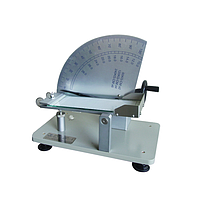
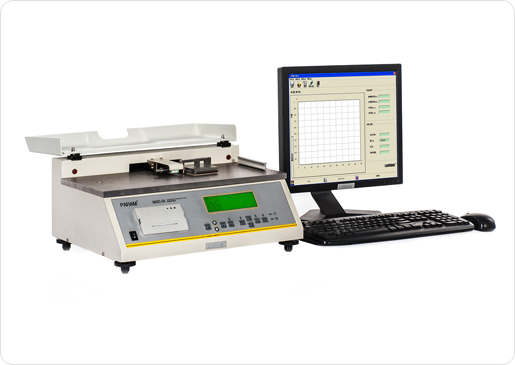
A friction coefficient tester is typically used to assess how two surfaces interact under controlled contact conditions. In practical terms, this supports evaluation of slip behavior, handling performance, converting processes, and packaging machinability. When the instrument drifts or mechanical components no longer perform as expected, the resulting data may no longer reflect real material behavior.
A structured inspection service helps identify issues related to measurement stability, mechanical condition, and overall test readiness. This is especially relevant in facilities where friction values are part of internal specifications, product release criteria, or comparison testing across multiple material batches.
What this inspection service typically supports
The purpose of inspection is not simply to check whether the machine powers on. It is meant to assess whether the tester is functioning in a way that supports valid test work. For friction coefficient testing equipment, this generally relates to the condition of the drive system, contact movement, sensing elements, fixture condition, and the consistency of the test sequence.
Inspection can also be useful before preventive maintenance planning, after relocation, after intensive use, or when operators notice unusual variation between test results. In a B2B quality environment, this kind of service supports better control of test reliability and helps reduce uncertainty when reviewing nonconforming data.
Suitable equipment and example brands
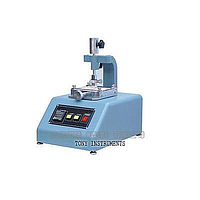
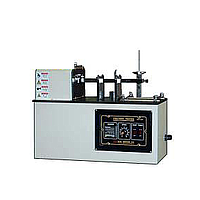
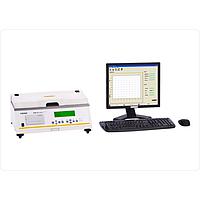
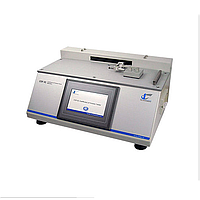
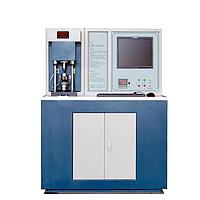
This category covers inspection needs for friction testing instruments from manufacturers such as Cometech, JFM, and TONYHK. Different platforms may vary in interface design or mechanical layout, but the inspection objective remains the same: to confirm that the equipment is operating in line with its intended testing function.
Representative service entries in this category include the Cometech Friction Tester Inspection Service, JFM Friction Tester Inspection Service, and TONYHK Friction Testing Machine Inspection Service. These examples help illustrate the range of supported equipment without turning the page into a simple product list. The focus stays on maintaining usable, trustworthy testing capability across installed systems.
When to consider an inspection
Many organizations schedule inspection at regular intervals, but there are also clear operational signs that an earlier review may be worthwhile. If friction values begin to shift unexpectedly, repeat tests show wider spread than normal, or the machine behavior feels inconsistent during operation, an inspection can help determine whether the issue comes from the instrument, the method, or the sample.
- Unexpected variation between repeated tests
- Results that no longer align with historical trends
- Concerns after equipment transport or relocation
- Visible wear, unstable movement, or fixture-related problems
- Preparation for audits, quality reviews, or test system verification
In laboratories that manage several physical testing instruments, friction tester inspection is often planned alongside related services such as abrasion tester inspection or discoloration meter inspection, depending on the material evaluation workflow.
How inspection supports quality and compliance workflows
For manufacturers and testing laboratories, the value of inspection goes beyond equipment upkeep. It supports more consistent internal decision-making by reducing the risk that measurement problems are mistaken for material changes. This is particularly important when friction testing is used to compare suppliers, verify production adjustments, or investigate complaints related to handling and surface performance.
Inspection also helps teams document the condition of the instrument as part of broader quality management activities. In facilities with multiple specialized test systems, this can complement services for equipment such as water vapor transmission rate test systems or oxygen permeation systems, where dependable test conditions are equally important.
Choosing the right service for your installed tester
When selecting a friction tester inspection service, it is useful to match the service to the actual equipment brand and model family in use. This helps ensure that the inspection context is relevant to the tester’s design, operating mechanism, and application environment. On this page, users can explore service options connected with brands such as JFM and TONYHK, as well as other listed entries within the category.
It is also helpful to prepare basic information before requesting service, such as the instrument name, usage condition, recent operating issues, and maintenance history. Clear background information allows the inspection process to be aligned more effectively with the way the tester is used in production or laboratory practice.
A practical service category for ongoing equipment control
Friction measurement is often a small part of a larger quality system, but the consequences of poor data can be significant. Regular inspection helps keep testing equipment in suitable operating condition, supports more dependable result interpretation, and reduces avoidable disruptions in material evaluation.
If your team relies on friction testing for films, packaging materials, coated surfaces, paper, or related products, this category provides a practical starting point for managing instrument condition over time. Reviewing the available service entries can help you choose an inspection option that fits your installed equipment and broader testing workflow.
Get exclusive volume discounts, bulk pricing updates, and new product alerts delivered directly to your inbox.
By subscribing, you agree to our Terms of Service and Privacy Policy.
Direct access to our certified experts