
Oxygen Permeation System Inspection Service
Reliable barrier-property data depends not only on the test method, but also on the condition of the instrument itself. When an oxygen permeation system is used to evaluate packaging films, membranes, sheets, or other barrier materials, even small deviations in sensors, seals, temperature control, or flow stability can affect the result. A structured Oxygen Permeation System Inspection Service helps verify that the equipment is operating as expected and supports more consistent testing performance.
This type of inspection is relevant for laboratories, quality departments, packaging manufacturers, material developers, and research facilities that rely on oxygen transmission measurements for product evaluation or process control. It is especially useful when equipment performance needs to be checked after long operating periods, relocation, maintenance work, abnormal readings, or before internal audits and routine quality reviews.
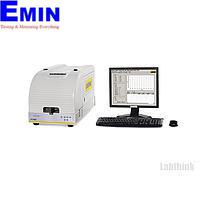
Why oxygen permeation system inspection matters
Oxygen barrier testing is often used to assess material suitability for shelf-life protection, product stability, and packaging performance. In practical use, the testing system must maintain controlled conditions and detect low-level oxygen transfer with good repeatability. If key components drift over time, the measured values may no longer reflect the real behavior of the sample.
An inspection service focuses on the overall condition of the test system rather than only one isolated part. This may include checking the operating status of the instrument, reviewing basic functional behavior, and identifying issues that could influence measurement reliability. For companies working with barrier materials, this helps reduce uncertainty before test data is used for product release, comparison studies, or development work.
Typical situations where inspection is useful
Many organizations arrange inspection as part of periodic equipment care, but there are also specific situations where it becomes more important. A system that shows unstable test results, unexpected baseline behavior, irregular chamber performance, or inconsistent repeatability may need a technical condition review before further testing continues.
Inspection is also relevant when equipment has been idle for a long time, moved to a new laboratory area, or returned to operation after repair. In these cases, confirming the functional status of the oxygen permeation system can help prevent avoidable errors and shorten troubleshooting time for the laboratory team.
- Before restarting regular barrier testing after downtime
- After maintenance, part replacement, or relocation
- When measured values appear inconsistent with previous trends
- As part of internal quality assurance for test equipment
- Prior to broader reviews of other barrier or material test systems
What an oxygen permeation system inspection generally looks at
Although the exact scope depends on the equipment condition and service plan, inspection typically centers on factors that influence measurement stability and functional readiness. This can include a review of gas-path integrity, chamber condition, response behavior, control functions, and other operational points that may affect oxygen transmission testing.
The purpose is not to overload the user with technical detail, but to provide a practical picture of whether the instrument is in a suitable state for continued use. A good inspection process helps identify wear, drift, contamination, leakage risk, or other issues that can compromise the test environment. In laboratories that also operate related barrier equipment, a similar service approach may be useful for a water vapor transmission rate test system as well.
Benefits for quality control and laboratory operations
A properly planned inspection service supports more than equipment upkeep. It can improve confidence in routine test data, help maintenance teams prioritize corrective actions, and provide a clearer basis for deciding whether the system can remain in normal use. For quality control teams, that can be important when test results influence incoming material checks, packaging verification, or development approvals.
Inspection can also reduce the hidden cost of unreliable testing. When an oxygen permeation system operates with unresolved issues, the impact is often seen later in repeated tests, delayed projects, or disputed results. Reviewing the equipment condition early is usually more efficient than troubleshooting after multiple failed or questionable test runs.
How this service fits within mechanical and physical testing equipment maintenance
Oxygen permeation systems are part of a broader group of laboratory instruments used to evaluate material performance under controlled conditions. In many facilities, these systems sit alongside other equipment for thermal behavior, abrasion, discoloration, or permeability analysis. For that reason, inspection planning often works best when it is treated as part of a wider equipment reliability program rather than a one-time reaction to a problem.
Companies that maintain several test platforms may also review the condition of related equipment such as a furnace inspection service for heat-based test processes or an abrasion tester inspection service for durability-focused testing. Looking at equipment health across the lab can help standardize maintenance timing and reduce interruptions.
Choosing the right inspection scope
Not every laboratory needs the same level of service. The suitable scope depends on how often the oxygen permeation system is used, how critical the data is to product decisions, and whether the instrument has shown any recent signs of instability. A lightly used research unit may need a different inspection interval from a heavily used production-support system.
It is also worth considering the sample types and testing environment. Sensitive barrier measurements can be affected by installation conditions, operating discipline, and general instrument wear. Defining the right scope means focusing on the areas most likely to influence the reliability of daily operation, rather than applying a generic checklist with little relevance to the actual workload.
Supporting stable test performance over time
Oxygen transmission testing often plays a direct role in packaging development, material comparison, and product qualification. Because of that, equipment condition verification should be viewed as part of normal laboratory control, not only as a response when something goes wrong. Regular inspection helps create a more predictable testing environment and makes performance changes easier to spot before they become serious.
For organizations that work with multiple material evaluation systems, reviewing other specialized services such as a discoloration meter inspection service may also support a more complete maintenance strategy. In the case of oxygen barrier testing, a clear understanding of instrument condition is an important step toward dependable results and smoother day-to-day lab operation.
Get exclusive volume discounts, bulk pricing updates, and new product alerts delivered directly to your inbox.
By subscribing, you agree to our Terms of Service and Privacy Policy.
Direct access to our certified experts