Furnace Inspection Service
Reliable thermal processing depends on more than temperature setpoints alone. In laboratories, pilot plants, and industrial quality environments, regular inspection helps confirm that a furnace is operating safely, heating consistently, and remaining suitable for the intended testing or process conditions. A well-planned Furnace Inspection Service supports equipment uptime while reducing the risk of drift, uneven heating, and avoidable process variation.
This category is intended for organizations that need inspection support for laboratory and industrial furnaces used in mechanical and physical testing environments. Whether the requirement is part of preventive maintenance, internal quality control, or preparation for broader service planning, furnace inspection helps users evaluate equipment condition and make informed decisions about continued operation.
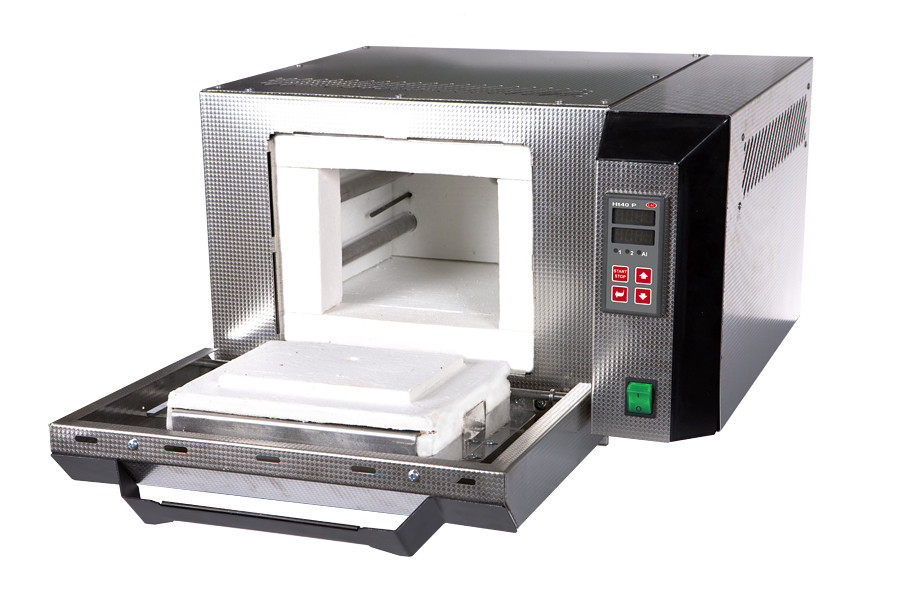
Why furnace inspection matters in testing and process environments
Furnaces are often used in applications where temperature stability, repeatability, and chamber performance directly affect the quality of results. Over time, components such as heating elements, insulation, sensors, door seals, and control-related parts can degrade through normal use. Even when a unit appears to be functioning, gradual changes in thermal behavior may affect test consistency or process reliability.
A structured inspection provides a practical way to review the equipment’s operating condition before problems become more serious. It can also help maintenance teams and laboratory managers identify wear patterns, check overall serviceability, and prioritize any further action needed. For organizations managing multiple instruments, this service fits naturally within a wider program of mechanical and physical testing equipment inspection services.
What this service category typically covers
The focus of a furnace inspection is not limited to a single component. In practice, the review may involve the general condition of the chamber, visible wear, heating behavior, control response, and signs that the system is no longer operating as expected. This is especially important for equipment exposed to repeated thermal cycles, frequent door openings, or demanding production and test schedules.
Inspection is also valuable when equipment has been in service for a long period, has recently shown irregular performance, or is being evaluated before repair planning. In many facilities, this type of service is used to support preventive maintenance and reduce the chance of unexpected downtime at critical stages of testing or production.
Suitable for a range of furnace brands and installed equipment
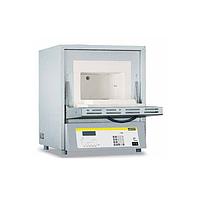
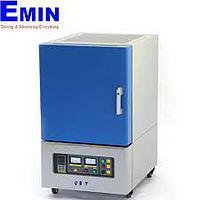
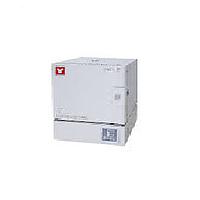
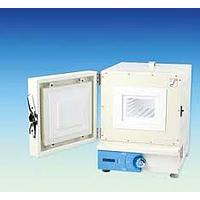
This category includes inspection services associated with commonly used furnace brands in laboratory and industrial settings. Examples from this page include services related to NABERTHERM, Yamato Scale, DaiHan, SH Scientific, and WITEG. The purpose of mentioning these manufacturers is to reflect the equipment commonly encountered in the field, not to limit the service only to one type of installation.
Representative offerings in this category include Nabertherm Furnaces Nabertherm Inspection Service, Uby Tech Furnaces Inspection Service, Yamato Furnaces Inspection Service, Daihan Furnaces Inspection Service, Furnaces Sh scientific Inspection Service, and WITEG Furnaces Inspection Service. These examples help buyers identify relevant service options when searching by installed brand or by the type of furnace currently in use.
When to consider booking a furnace inspection
Many organizations request inspection when a furnace begins to show inconsistent heating, longer warm-up times, irregular control behavior, or visible physical wear. Inspection is also appropriate after relocation, before restarting equipment that has been idle for an extended period, or when preparing for internal audits and maintenance reviews. In these cases, an inspection helps establish a clearer picture of the equipment’s current condition.
For facilities with scheduled service cycles, inspection can be planned proactively rather than waiting for symptoms to appear. This approach is often useful where furnace performance supports material testing, sample preparation, or controlled heating processes that need a dependable thermal environment. In environments where multiple instruments are managed together, users may also review related services such as abrasion tester inspection service or discoloration meter inspection service to support broader equipment oversight.
How to choose the right service option
When selecting a suitable furnace inspection service, it is useful to start with the installed equipment brand, the furnace type, and the operational role of the unit in your workflow. Some users search directly by manufacturer because that makes it easier to match service requirements with the equipment already on site. Others begin with the service category and then narrow down by the model family they operate.
It is also important to consider the age of the equipment, frequency of use, previous maintenance history, and whether the furnace is part of a critical testing sequence. A unit used daily in quality control or research support may require closer monitoring than one used only occasionally. Choosing the right inspection path helps ensure that service activity is aligned with actual operational risk rather than based on assumptions alone.
Role of inspection within equipment lifecycle management
Inspection service is most effective when treated as part of an ongoing equipment management strategy. Rather than being viewed only as a reaction to failure, inspection can support decisions on maintenance timing, repair feasibility, continued use, or replacement planning. This is especially relevant for furnaces, where small changes in chamber condition or heating performance can have a meaningful impact over time.
From a lifecycle perspective, regular review helps teams document equipment condition and maintain better control over service planning. It also gives procurement, engineering, and laboratory personnel a stronger basis for evaluating whether an existing furnace remains fit for its intended workload. In this sense, inspection contributes not only to equipment care, but also to process consistency and operational confidence.
Related service context for specialized testing systems
Some users reaching this category may also manage other physical or barrier-property testing equipment within the same facility. If that is the case, related service categories such as oxygen permeation system inspection service can help build a more complete maintenance and inspection plan across different instrument groups.
Looking at furnace inspection alongside related equipment categories is often useful for centralized laboratories, packaging test environments, and multi-instrument quality departments. It creates a more organized service structure and helps standardize how equipment condition is reviewed across different testing platforms.
Choosing a dependable starting point for furnace condition assessment
For companies that rely on controlled heating equipment, inspection is a practical first step toward understanding real equipment condition before larger issues affect testing or operations. This category brings together relevant service options for furnaces associated with established manufacturers such as NABERTHERM, Yamato Scale, DaiHan, SH Scientific, and WITEG, making it easier to identify a suitable path based on the equipment already in use.
If you are reviewing service options for laboratory or industrial furnace systems, this category provides a focused starting point for evaluating available inspection support. A clear, timely inspection process can help teams plan maintenance more effectively, reduce uncertainty around furnace performance, and keep critical thermal equipment under better control.
Get exclusive volume discounts, bulk pricing updates, and new product alerts delivered directly to your inbox.
By subscribing, you agree to our Terms of Service and Privacy Policy.
Direct access to our certified experts