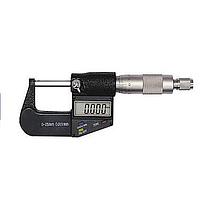
Micrometer Inspection Service
Reliable dimensional control starts with instruments that can still be trusted after repeated use on the shop floor, in the lab, or at incoming inspection. When a micrometer begins to drift, even small deviations can affect part acceptance, process capability, and traceability records. This is why a structured Micrometer Inspection Service is an important part of quality assurance for manufacturers, maintenance teams, and testing environments that depend on precise mechanical measurement.
An inspection service for micrometers helps verify whether the instrument is operating correctly, whether wear or handling has affected performance, and whether the reading condition remains suitable for routine measurement tasks. It is especially relevant in environments where external micrometers are used frequently for machining checks, final inspection, tool setup, or supplier quality control.
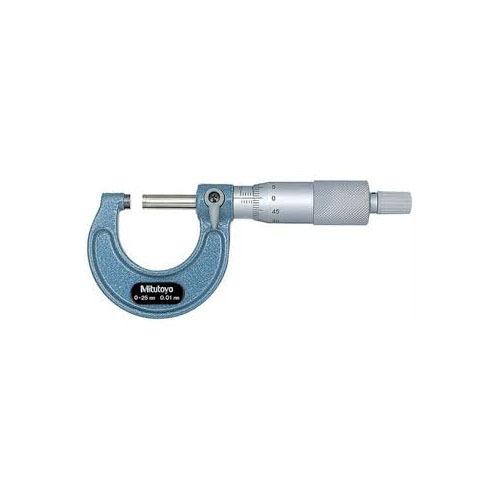
Why micrometer inspection matters in industrial measurement
Micrometers are widely used because they offer fine resolution and a familiar mechanical format for diameter, thickness, and outside dimension checks. Over time, however, contact surfaces, spindle movement, frame condition, and zero setting can be influenced by normal wear, accidental impact, contamination, or improper storage. Inspection helps identify these issues before they lead to unreliable measurement results.
For B2B users, the value of inspection is not limited to the instrument itself. It also supports broader quality processes such as in-process verification, final dimensional confirmation, and audit readiness. If your operation also depends on related hand-measuring tools, it can be useful to review services such as callipers inspection service as part of a more consistent control plan.
What is typically checked during a micrometer inspection service
A proper service generally focuses on the overall measuring condition of the instrument rather than just a quick visual check. Typical inspection logic includes confirming the basic operation of the spindle and thimble, checking the measuring faces, reviewing zero condition, and assessing whether the instrument still behaves consistently across its intended measuring range.
The purpose is to detect signs of measurement drift, mechanical wear, or functional irregularities that may affect repeatability in real use. For many users, this is particularly important when one micrometer is shared across multiple operators or used in repetitive production tasks where stable readings matter as much as nominal accuracy.
Suitable for multiple brands used in production and quality control
This category covers service options for commonly used brands in industrial and workshop environments. Examples include solutions related to MITUTOYO, Mahr, MOORE & WRIGHT, YATO, LUTRON, and METROLOGY. Brand-specific service listings can help buyers identify the most relevant option for the instruments already deployed in their facility.
Representative entries in this category include Mitutoyo Micrometers Inspection Service, Mahr Micrometers Inspection Service, Moore & Wright Micrometers Inspection Service, Yato Micrometers Inspection Service, Lutron Micrometers Inspection Service, and Metrology Micrometers Inspection Service. These listings are useful when procurement teams, maintenance departments, or metrology personnel need a clear starting point based on the instrument brand in use.
How to choose the right service option
The right inspection service depends on how the micrometer is used, how critical the measurement task is, and how your internal quality workflow is structured. A micrometer used occasionally for general workshop checks may be managed differently from one used in final inspection, supplier qualification, or controlled measurement routines tied to product documentation.
When comparing service options, it helps to consider the instrument brand, the condition of the device, the frequency of use, and whether the inspection needs to support a broader maintenance or quality record. If your team manages several types of handheld dimensional tools, combining this with thickness gauge inspection service or depth gauge inspection service may improve consistency across the inspection system.
Common situations where inspection becomes necessary
Many companies schedule inspection at regular intervals, but there are also clear situations where an earlier check is sensible. These include a micrometer that has been dropped, exposed to harsh workshop conditions, stored for a long period, or used in an application where operators notice inconsistent readings. A visible zero shift or unusual spindle feel is often enough to justify inspection.
Inspection is also relevant when measurement results begin to conflict with other tools or with process expectations. For example, if dimensional checks from a micrometer no longer align with results from parallel instruments used in receiving, machining, or final verification, the issue may lie in the tool condition rather than the part itself. In broader quality workflows, some users also review related categories such as hardness meter inspection service when maintaining multiple inspection assets.
Benefits for manufacturers, maintenance teams, and QA departments
A well-managed inspection service supports more than day-to-day measurement confidence. It can reduce the risk of accepting nonconforming parts, minimize unnecessary rework caused by questionable readings, and help maintain better control over inspection assets across departments. This is especially useful in production environments where simple handheld instruments still play a critical role in decision-making.
For quality and metrology teams, regular micrometer checks also support traceable equipment management and a more disciplined preventive approach. Instead of waiting for obvious failure, organizations can review instrument condition proactively and make better decisions on continued use, maintenance, or replacement.
Supporting a more stable measurement system
Micrometers are small tools, but they sit close to the point where production decisions are made. If they are not checked in time, the resulting errors can affect process control, incoming material review, and final product quality. A dedicated service category makes it easier to find inspection options aligned with the brands and workflows already used in your operation.
Whether you manage a few workshop instruments or a larger fleet of measuring tools across several departments, selecting an appropriate micrometer inspection option helps keep routine dimensional checks dependable. It is a practical step toward maintaining measurement confidence, improving consistency, and supporting everyday industrial quality requirements.
Get exclusive volume discounts, bulk pricing updates, and new product alerts delivered directly to your inbox.
By subscribing, you agree to our Terms of Service and Privacy Policy.
Direct access to our certified experts