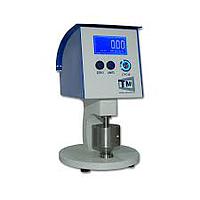
Thickness Gauge Inspection Service
Accurate thickness measurement matters wherever material build-up, coating layers, sheet stock, films, or finished parts must stay within tolerance. In those environments, a reliable Thickness Gauge Inspection Service helps verify that the instrument is still reading consistently and supports better quality control, traceability, and maintenance planning across production, laboratory, and incoming inspection workflows.
Whether the gauge is used for metal sheet checks, coating assessment, or routine dimensional verification, periodic inspection is an important part of keeping measurement results dependable. This category focuses on inspection services for thickness gauges from widely used manufacturers and supports users who need confidence in day-to-day measurement performance.
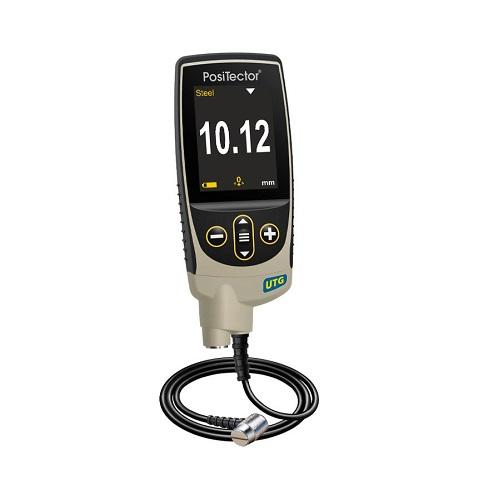
Why thickness gauge inspection is important
Thickness gauges are often exposed to repetitive use, operator handling, environmental variation, and normal mechanical wear. Over time, these factors can affect contact pressure, zero position, probe response, or general measurement consistency, especially in applications where small deviations can lead to product rejection or downstream process issues.
A structured inspection process helps identify whether the instrument remains suitable for its intended task. For B2B users, this is not only about the tool itself, but also about reducing uncertainty in inspection data, supporting internal quality systems, and improving confidence when measurements are reviewed by customers, auditors, or production teams.
Scope of this service category
This category covers inspection services for thickness gauges used in industrial measurement and quality assurance. It is relevant for companies that manage standalone handheld instruments as well as facilities that maintain a broader fleet of mechanical measuring tools.
Representative service options in this category include support for brands such as Mahr, MITUTOYO, DEFELSKO, ELCOMETER, EXTECH, PCE, PROCEQ, TECLOCK, TQCSheen, and Cometech. Examples listed on this page include Mahr Thickness Gage Inspection Service, MITUTOYO Thickness Gage Inspection Service, DEFELSKO Thickness Gage Inspection Service, and ELCOMETER Thickness Gage Inspection Service, among others.
What is typically checked during inspection
The exact inspection workflow can vary depending on the gauge design and application, but the core objective is straightforward: confirm that the instrument can still provide trustworthy readings under normal use conditions. This may involve reviewing overall condition, checking basic operation, evaluating measurement behavior against suitable references, and verifying whether the gauge responds as expected across its working range.
For many users, the practical value lies in understanding whether the instrument remains fit for continued use, requires adjustment, or should be removed from service for further attention. In a broader quality system, this kind of inspection supports better control of measurement equipment and reduces the risk of unnoticed drift affecting product decisions.
Suitable for different gauge brands and operating environments
Many companies operate mixed fleets of instruments rather than relying on a single brand. That is why this category is useful for teams maintaining thickness gauges from several manufacturers across different departments, production lines, or project sites. Common examples include service requests related to TECLOCK Thickness Gage Inspection Service, EXTECH Thickness Gage Inspection Service, PCE Thickness Gage Inspection Service, or TQCSheen Thickness Gage Inspection Service.
Brand-specific familiarity can also matter when handling different gauge formats and measurement methods. Instruments from Mahr, MITUTOYO, DEFELSKO, PROCEQ, and Cometech may serve different inspection routines depending on the application, so selecting the correct service entry helps align the request with the device in use.
How to choose the right inspection service
When selecting a service, start with the instrument brand and the actual role of the gauge in your process. A tool used for routine shop-floor checks may have different inspection priorities from one used in final quality documentation or incoming material verification. It is also helpful to review usage frequency, past service history, and any recurring measurement concerns noticed by operators.
If your organization manages several measuring tools together, it can be more efficient to review related service categories at the same time. For example, businesses maintaining dimensional inspection equipment may also need micrometer inspection service or callipers inspection service as part of the same quality management cycle.
Typical users and application context
This service category is relevant for manufacturers, QA departments, test laboratories, maintenance teams, and industrial distributors that need dependable measuring instruments. Thickness gauges are commonly used in material control, coating checks, fabrication processes, and inspection points where dimensional conformity must be confirmed quickly and repeatably.
In these settings, inspection service plays a practical role in minimizing uncertainty before it becomes a production issue. It also helps standardize instrument oversight across multiple sites or teams, especially where equipment registers, scheduled verification, and documented maintenance routines are already part of the operating system.
Related services in a mechanical measuring workflow
Thickness gauges are often only one part of a wider inspection toolkit. Facilities that handle dimensional checks across different product features may need coordinated support for several instrument types, particularly when measurement results are used for process release, batch approval, or final reporting.
Alongside thickness gauge verification, some users also review services such as depth gauge inspection service or hardness meter inspection service where the inspection workflow extends beyond a single instrument category. This broader approach can make service planning more consistent and easier to manage.
Supported examples in this category
To help users find relevant service entries more quickly, this category includes representative options such as Mahr Thickness Gage Inspection Service, TECLOCK Thickness Gage Inspection Service, DEFELSKO Thickness Gage Inspection Service, Cometech Thickness Gage Inspection Service, PROCEQ Thickness Gage Inspection Service, ELCOMETER Thickness Gage Inspection Service, EXTECH Thickness Gage Inspection Service, PCE Thickness Gage Inspection Service, TQCSheen Thickness Gage Inspection Service, and MITUTOYO Thickness Gage Inspection Service.
These examples reflect common brand-specific service needs without limiting the category to one type of user or one application. For procurement teams and technical buyers, they also make it easier to align service selection with the installed instrument base already used on site.
Final considerations
Keeping thickness gauges under regular review is a practical step toward more reliable measurement results and better equipment control. A well-chosen thickness gauge inspection service can support routine quality activities, reduce avoidable measurement risk, and help ensure that instruments remain suitable for the tasks they are assigned to perform.
If your team works with multiple measuring tools, it is worth evaluating inspection needs across the broader equipment set rather than treating each device in isolation. That approach usually leads to clearer planning, stronger traceability, and a more consistent measurement workflow over time.
Get exclusive volume discounts, bulk pricing updates, and new product alerts delivered directly to your inbox.
By subscribing, you agree to our Terms of Service and Privacy Policy.
Direct access to our certified experts