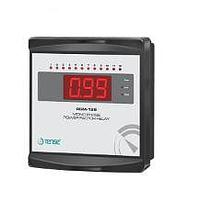
Load Cell Online Controller Inspection Service
Stable weighing data is essential in batching, filling, material handling, and many other automated processes. When a load cell controller starts drifting, responding slowly, or showing inconsistent values, production quality and traceability can be affected long before a complete failure becomes obvious. A professional Load Cell Online Controller Inspection Service helps identify these issues early and supports more reliable operation of the overall measurement system.
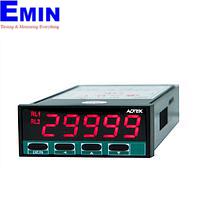
This service category is intended for users who need inspection support for online controllers used with load cell systems. It is relevant in applications where weighing signals are continuously monitored for process control, indication, or data integration. In practice, inspection may be requested during routine maintenance, troubleshooting, performance verification, or before broader calibration and repair work is planned.
Why inspection matters in load cell controller systems
A load cell measurement chain is only as dependable as its weakest point. Even if the sensor itself is in good condition, the online controller can still introduce errors through signal instability, parameter mismatch, display inconsistency, communication issues, or poor response under actual operating conditions. Inspection focuses on finding these problems before they create downtime or inaccurate process decisions.
In industrial environments, load cell controllers are often exposed to vibration, electrical noise, temperature variation, and long operating hours. These conditions can affect signal interpretation and control behavior over time. A structured inspection service provides a practical way to review controller condition, confirm functional behavior, and support maintenance teams with a clearer basis for next steps.
What this service typically supports
This category covers inspection support for online controller systems used together with load cell applications. The goal is not simply to check whether the unit powers on, but to assess whether the controller is behaving appropriately within the measurement process it is meant to support. That can include signal reading consistency, operational response, interface behavior, and general suitability for continued use.
For plants that rely on continuous measurement, inspection is especially useful when readings appear unstable, when process results no longer align with expected weights, or when controllers are being reviewed as part of preventive maintenance. If your broader system also includes other process analyzers, related services such as conductivity and TDS controller inspection may be relevant in the same maintenance cycle.
Typical use cases across industrial applications
Load cell online controllers are widely used wherever force or weight signals need to be converted into actionable process information. Common examples include tank weighing, hopper systems, dosing lines, packaging equipment, and inventory monitoring points. In these environments, small controller-related deviations can lead to cumulative errors, rejected batches, or unnecessary manual adjustment.
An inspection service is also valuable during system handover, after electrical modifications, or when replacing connected components in the weighing chain. It helps confirm whether the controller remains aligned with process needs after changes in wiring, setup, or operating conditions. For teams working with broader weighing instrumentation, the dedicated load cell online controller inspection service category provides a focused starting point.
Representative service options and supported brands
This category includes inspection service options associated with well-known controller brands used in industrial automation and weighing applications. Examples include solutions from Adtek, TENSE, MADE, and Sansel. The available service entries are intended to help users identify compatible inspection support based on the controller brand already installed in the field.
Representative listings include the Adtek Controller, Load Cell online Inspection Service, along with inspection services for MADE, Sansel, and TENSE power controllers. These examples illustrate the service scope within the category rather than suggesting that every controller shares the same configuration or operating profile. The exact inspection path depends on the installed device, application context, and the type of issue being investigated.
How to choose the right inspection service
The most efficient service request usually starts with a clear description of the controller’s role in the process. It helps to identify whether the unit is used mainly for indication, transmission of data, control logic, or integration with a larger automation system. This context makes it easier to determine whether the issue is likely tied to the controller itself, the load cell input, surrounding wiring, or external process conditions.
When selecting a service entry, users often begin with the controller brand or the measurement application. For example, if the installed unit belongs to TENSE, a brand-specific service path may be the most practical. If the system problem is more closely associated with weighing performance as a whole, it may be better to start from the application category and then narrow down based on the controller in use.
Load cell controllers within a wider inspection ecosystem
Many facilities maintain several kinds of online instruments at the same time, from weighing controllers to water quality and suspended solids monitoring devices. Because of that, controller inspection is often planned as part of a broader reliability program rather than as an isolated task. This approach can save troubleshooting time and support more consistent maintenance records across departments.
If your site also operates other online measurement points, related categories such as SS and MLSS sensor controller inspection can help extend the same maintenance logic to additional instruments. Looking at controller health across multiple systems is often useful when plants are addressing recurring signal quality or process stability concerns.
When to request inspection
There are several practical signals that it may be time to schedule inspection. These include unstable readings, unexplained offsets, inconsistent displayed values, delayed controller response, or process output that no longer matches expected weight behavior. Inspection can also be useful after relocation, panel work, or system upgrades that may have affected controller settings or wiring integrity.
Even when no obvious fault is present, periodic review can still be worthwhile for critical weighing points. In production environments where traceability, batching accuracy, or process repeatability matters, a preventive inspection approach can reduce the risk of hidden controller issues developing into larger operational problems.
Final considerations
Choosing the right inspection service for load cell controllers is less about finding a generic checklist and more about matching service scope to the real process need. A good starting point is to identify the controller brand, the measurement role, and the symptoms observed in operation. From there, the relevant service option can be selected more confidently.
Whether you are reviewing an Adtek-based weighing system or comparing service options for MADE, Sansel, or TENSE controllers, this category is designed to support a more informed maintenance workflow. For industrial users who depend on accurate, stable, and continuously available weighing data, timely inspection is a practical step toward maintaining measurement reliability and process consistency.
Get exclusive volume discounts, bulk pricing updates, and new product alerts delivered directly to your inbox.
By subscribing, you agree to our Terms of Service and Privacy Policy.
Direct access to our certified experts