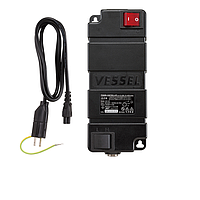
Power Controller Inspection Service
Stable controller performance is critical in automated systems where power delivery, signal handling, and equipment protection all depend on reliable operation. When a controller begins to drift, respond inconsistently, or show signs of electrical stress, a structured Power Controller Inspection Service helps verify its condition before those issues affect production, utilities, or process control.
This service category is intended for businesses that need a practical way to assess controller health, identify faults, and support maintenance planning. It is especially relevant in industrial environments where online controllers are part of broader sensor, pump, and process instrumentation systems, and where inspection can reduce the risk of unplanned downtime.
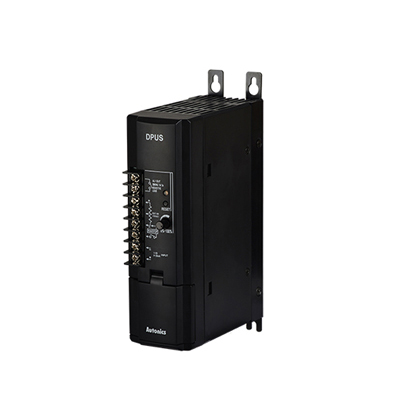
What a power controller inspection typically helps verify
A professional inspection is not only about checking whether a unit turns on. In most industrial applications, the goal is to review the controller’s overall operating condition, including visible hardware integrity, basic electrical behavior, response stability, and signs of wear that may affect long-term reliability.
For users managing automated equipment, this kind of service can support decisions on continued operation, preventive maintenance, repair, or replacement. It is also useful when troubleshooting intermittent issues that may not be obvious during day-to-day operation but still influence process consistency, output quality, or equipment protection.
Where this service fits in industrial control environments
Power controllers are often used as part of wider control architectures rather than as isolated devices. In process plants, water treatment systems, production lines, and utility equipment, controller performance can directly influence how accurately a system responds to real operating conditions.
That is why inspection is often considered alongside related service needs for other online instruments. For example, sites that maintain multiple process measurement points may also review services such as conductivity and TDS controller inspection when managing overall instrumentation reliability across the same installation.
Common reasons to request an inspection
Inspection demand often comes from a specific operational concern. A controller may show unstable output, delayed response, abnormal indications, physical deterioration, or inconsistent interaction with connected equipment. In other cases, the request is preventive, especially when the device has been in service for a long time or is operating in a harsh electrical or environmental setting.
Another common scenario is maintenance planning during shutdown periods. Instead of waiting for a failure, teams use inspection results to understand equipment condition and prioritize action. This approach is valuable in facilities where process interruptions are costly and where controller-related issues can affect not just one device, but the performance of an entire control loop.
Featured service and manufacturer context
Within this category, the Vessel Power Controller Inspection Service is a representative option for organizations looking for inspection support tied to this equipment type. It provides a clear reference point for buyers who are already working with Vessel products or who need a service listing connected to an established manufacturer in this area.
For broader brand context, users can also explore Vessel to review related product and manufacturer information. This can be helpful when aligning inspection needs with existing installed equipment, procurement records, or maintenance documentation.
How to evaluate the right inspection scope
Not every service requirement is identical. Some users need an inspection because a controller is already showing symptoms, while others simply want a condition check before commissioning, restart, or scheduled maintenance. In practice, the right scope depends on the equipment history, operating criticality, failure symptoms, and how the controller interacts with upstream and downstream devices.
It is also useful to consider whether the controller is part of a measurement chain that includes sensors or specialized process instruments. In those cases, checking only one component may not fully explain the system behavior. Facilities with mixed instrumentation may therefore compare this category with services such as chlorine sensor controller inspection or load cell controller inspection when building a more complete maintenance plan.
Why inspection matters for maintenance and operational continuity
A structured inspection supports more than fault finding. It helps maintenance teams document equipment condition, reduce uncertainty, and make more informed decisions about service timing. This is particularly important in B2B environments where even small controller issues can create downstream effects in quality control, utility consumption, safety margins, or process uptime.
From an asset management perspective, inspection service is often a practical middle ground between running equipment without verification and replacing it prematurely. It provides technical insight that can improve maintenance scheduling and support more efficient use of existing control assets.
Choosing a service page that matches your application
When reviewing this category, it helps to focus on the actual equipment role in your system rather than on naming alone. A power controller used in a specific industrial process may share service planning logic with other online control devices, but the inspection objective should still reflect the device’s real function, operating environment, and level of process importance.
If your facility manages multiple controller types, organizing inspection by application can make service coordination easier. This category is therefore best used as a focused starting point for buyers who need controller condition assessment tied specifically to power control equipment, while still keeping the broader instrumentation ecosystem in view.
Conclusion
For industrial users who need better visibility into controller condition, this category provides a practical route to evaluate equipment before problems escalate. A well-timed power controller inspection can support troubleshooting, preventive maintenance, and more confident service planning across automated systems.
If your site depends on stable controller operation for process continuity, reviewing the available service options here is a sensible next step. It allows procurement, maintenance, and engineering teams to approach equipment care with clearer technical context and better alignment to real operating needs.
Get exclusive volume discounts, bulk pricing updates, and new product alerts delivered directly to your inbox.
By subscribing, you agree to our Terms of Service and Privacy Policy.
Direct access to our certified experts