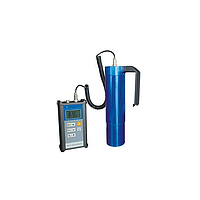
Radiation Meter/Detectors Inspection Service
When radiation monitoring instruments are used for workplace safety, environmental checks, or controlled inspection tasks, their condition and measurement reliability matter as much as the device itself. A professional Radiation Meter/Detectors Inspection Service helps verify whether portable meters, detectors, dosimeters, and monitoring instruments are functioning properly and remain suitable for ongoing field use.
This category is intended for organizations that manage radiation measurement equipment and need a practical way to evaluate instrument status, maintain traceability in maintenance routines, and reduce the risk of using devices that may have drifted, degraded, or suffered handling-related issues over time.
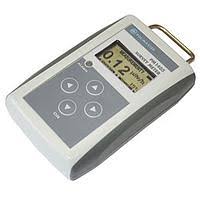
Why inspection matters for radiation measurement devices
Radiation instruments are often deployed in situations where decisions must be made quickly and with confidence. Whether the equipment is used for routine monitoring, site assessment, safety verification, or controlled technical work, inspection supports instrument readiness by checking overall condition, response behavior, and serviceability.
Compared with general electronic instruments, radiation-related devices typically require more careful handling and periodic review because performance can be affected by detector aging, impact, storage conditions, battery leakage, contamination, or exposure history. Inspection helps users identify issues before they affect day-to-day operation or internal compliance procedures.
What this service category typically covers
This category focuses on inspection services for a broad range of radiation monitoring instruments rather than a single device format. In practice, that may include handheld radiation meters, radiation detectors, radiation monitors, and personal dosimeters used across industrial, laboratory, energy, environmental, and safety-related applications.
Typical examples in this category include services such as FLUKE radiation detection meter inspection, HITACHI radiation dosimeter inspection, PCE radiation detection meter inspection, Atomtex radiation monitor inspection, and POLIMASTER radiation detectors inspection. The purpose is not simply to list brands, but to support users working with mixed fleets of instruments from different manufacturers.
Representative service entries may include the FLUKE Radiation Detection Meter Inspection Service, HITACHI Radiation Dosimeter Inspection Service, Atomtex Radiation Monitor Inspection Service, and POLIMASTER Radiation Detectors Inspection Service. These examples illustrate the range of devices that may require periodic technical review as part of normal asset management.
Common issues identified during inspection
A structured inspection process can reveal problems that are not always obvious during quick functional checks. Devices may still power on and appear usable while showing signs of unstable readings, damaged housings, worn connectors, display problems, control faults, or reduced detector response consistency.
For organizations that rely on field instruments, finding these issues early is valuable because it helps separate units that are ready for continued use from those that may require further evaluation, maintenance, or replacement planning. This is especially important when the instrument supports safety documentation, operator protection, or controlled monitoring workflows.
Inspection can also help confirm whether the unit remains appropriate for its intended task. A portable detector used for quick area checks may face different wear patterns than a personal dosimeter or a fixed-style monitor moved between sites, so service requirements should be aligned with how the instrument is actually used.
How to choose the right inspection service
The most effective choice starts with the actual device type and application. A radiation dosimeter, a survey-style meter, and a broader radiation monitor do not play the same role in a safety program, so it is useful to match the inspection service to the equipment category and how often it is deployed.
It is also worth reviewing the manufacturer and product family before booking service. Users operating equipment from PCE, RAE, TENMARS, IMI, or VELP may want a service path that reflects the instrument’s design and normal operating context. In mixed inventories, grouping instruments by use case can make service planning more efficient and easier to document internally.
For many buyers, the practical selection criteria include device condition, service history, usage frequency, storage environment, and whether the instrument is tied to routine audits or safety procedures. These factors often matter more than simply choosing service based on brand name alone.
Examples of instruments covered in this category
The service listings in this category show that inspection support is relevant across multiple radiation instrument formats. Examples include the MEDCOM Radiation Meter Inspection Service, RAE Radiation Dosimeter Inspection Service, TENMARS Radiation Tester Inspection Service, and VELP Radiation Detector Inspection Service.
These examples are helpful because they reflect a realistic equipment ecosystem: some organizations use a few portable detectors, while others manage a broader portfolio of dosimeters, monitors, and specialized testers from several suppliers. A dedicated category makes it easier to locate inspection options without searching brand by brand.
Where broader test and inspection support is needed for related instruments, users may also explore specialty meters inspection services or electrical and electronic meter inspection service options for adjacent equipment classes.
Suitable users and application environments
This category is relevant for laboratories, industrial facilities, maintenance teams, environmental monitoring operations, technical service contractors, and organizations responsible for regulated or safety-sensitive measurement equipment. In these settings, regular inspection supports more consistent equipment control and helps reduce uncertainty around instrument condition.
It is also useful for procurement and asset management teams that need a clearer service route for installed and portable measuring devices. Instead of treating each radiation instrument as a one-off case, a dedicated inspection category helps standardize how units are reviewed and tracked over time.
Supporting a more reliable maintenance workflow
Inspection is most effective when it is part of a broader maintenance routine rather than a reactive step after a problem appears. Keeping radiation instruments on a defined review schedule can improve equipment availability, simplify documentation, and reduce disruption when devices are needed for urgent checks or planned monitoring work.
For teams that manage other safety-related instruments as well, this category can sit alongside services such as gas detector inspection or other specialized measurement support, creating a more consistent service strategy across the instrument fleet. The result is a more practical approach to uptime, accountability, and operational confidence.
Finding the right service for your instrument fleet
Choosing a radiation instrument inspection service should be based on device type, actual usage conditions, and the role the equipment plays in your safety or monitoring process. From portable detection meters to dosimeters and monitoring instruments, this category provides a focused starting point for evaluating suitable service options across brands such as FLUKE, HITACHI, PCE, Atomtex, POLIMASTER, TENMARS, IMI, RAE, and VELP.
If your organization relies on radiation measurement equipment in daily operations, periodic inspection is a practical way to support measurement confidence, maintain better equipment oversight, and identify service needs before they affect the work being done. Browse the available service listings in this category to find the most relevant option for your instruments and operating environment.
Get exclusive volume discounts, bulk pricing updates, and new product alerts delivered directly to your inbox.
By subscribing, you agree to our Terms of Service and Privacy Policy.
Direct access to our certified experts